







First, Let’s Call Burnout What It Is
Before we talk solutions, let’s get on the same page about the problem. Burnout isn't just having a bad week or feeling stressed. The World Health Organization officially classifies it as an “occupational phenomenon” resulting from chronic workplace stress that
has not been successfully managed. It’s characterized by three things: feelings of energy depletion or exhaustion; increased mental distance from your job, or feelings of negativity or cynicism related to it; and reduced professional efficacy. In short, it’s a systemic issue rooted in your work environment, not a personal failing. This distinction is crucial because it frames what any single intervention—like an herbal supplement—can realistically achieve.
Enter Ashwagandha: The Ancient Adaptogen
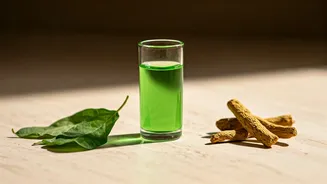
You’ve probably seen the word on everything from teas to gummies. Ashwagandha (Withania somnifera) is a small evergreen shrub native to India and Southeast Asia, and it's a cornerstone of Ayurveda, one of the world's oldest holistic healing systems. It’s best known as an “adaptogen,” a class of herbs and mushrooms thought to help the body resist and adapt to physical, chemical, and biological stressors. The theory is that instead of just masking symptoms, adaptogens help your body’s stress-response system (the hypothalamic-pituitary-adrenal, or HPA, axis) find a healthier equilibrium. Think of it less like a sledgehammer and more like a thermostat for your internal stress levels.
So, What Does the Science Actually Say?
This is where the marketing hype meets reality. There is a growing body of research on ashwagandha, and much of it is promising, particularly regarding stress and anxiety. Several clinical studies have suggested that ashwagandha supplementation can significantly reduce levels of cortisol, the body’s primary stress hormone. When you’re chronically stressed, your cortisol levels can remain elevated, contributing to anxiety, weight gain, and sleep problems. By helping to moderate cortisol, ashwagandha may indeed take the edge off. Participants in these studies often self-report lower levels of stress and anxiety and improved overall well-being. However, it’s important to note that many of these studies are small, and as the National Center for Complementary and Integrative Health (NCCIH) points out, more large-scale, high-quality research is needed to confirm these effects definitively.
The Catch: A Shot Can’t Fix Your Job
Here's the hard truth: no supplement, no matter how potent, can “fight” corporate burnout on its own. Taking a daily wellness shot might help you feel a bit less frazzled, which is not nothing. It could be a useful tool for managing the *symptoms* of stress. But it cannot negotiate a better work-life balance for you. It can’t set boundaries with your boss, reduce an unmanageable workload, or fix a toxic team dynamic. Burnout is a fire, and ashwagandha might be a glass of water—helpful for a small flame, but utterly insufficient for a full-blown inferno. Relying on a supplement to get you through an unsustainable job is like taking a painkiller for a broken leg and then trying to run a marathon. You’re silencing the warning signs your body is sending you.
Using It Wisely and Safely
If you decide ashwagandha is worth a try as part of a larger stress-management strategy, proceed with caution. It’s generally considered safe for short-term use, but some people experience mild side effects like drowsiness, digestive upset, or headaches. More importantly, it’s not for everyone. People who are pregnant or breastfeeding, as well as those with autoimmune diseases (like rheumatoid arthritis or lupus) or thyroid disorders, should avoid it or consult a doctor. Because supplements are not regulated by the FDA in the same way as drugs, look for products that have been independently verified for purity and potency by a third party, like NSF International or USP. And always, always talk to your doctor before starting a new supplement, especially if you take other medications.