

The Perfect Winter Duo
The pairing of sesame and jaggery is central to Indian winter food traditions. This is no coincidence; both ingredients are harvested in the colder months, making them seasonally fresh and available. Traditional wisdom, particularly in Ayurveda, classifies
both til and gur as foods that generate heat in the body. This 'warming' effect is highly sought after during the cold, dry weeks of a North Indian winter, helping the body stay warm and resilient against seasonal ailments like coughs and colds. The combination provides a dense source of energy packed into a small, delicious bite, making it a practical and traditional way to meet the body's increased energy needs during winter.
A Nutritional Powerhouse
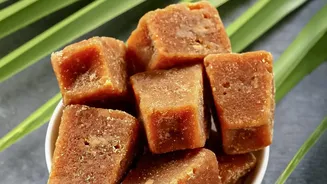
Beyond their warming properties, til-gur sweets are a treasure trove of nutrients. Sesame seeds are packed with healthy fats, protein, and essential minerals like calcium, magnesium, and zinc. Jaggery, an unrefined sugar, retains trace minerals like iron and potassium, which are stripped from refined white sugar. This makes it a healthier sweetening alternative. The iron in jaggery is crucial for preventing anaemia, while the calcium in sesame supports bone health. Together, they create a synergy where jaggery provides a quick energy boost and sesame offers sustained power, helping to avoid the energy slumps associated with processed sweets.
The Sweet Taste of Festivals
Til and gur are deeply woven into the fabric of winter festivals, most notably Makar Sankranti. Celebrated in mid-January, this festival marks the sun's transition into the northern hemisphere, symbolising a move towards longer, warmer days. In Maharashtra, people exchange til-gur sweets while saying, 'Tilgul ghya, goad goad bola', which translates to 'Eat sesame and jaggery, and speak sweet words'. This custom signifies letting go of past grievances and starting afresh with sweetness and goodwill. From Lohri in Punjab to Pongal in Tamil Nadu, variations of sesame and jaggery dishes appear across the country, uniting diverse cultural celebrations with a common, delicious thread.
A Tour of Til-Gur Delights
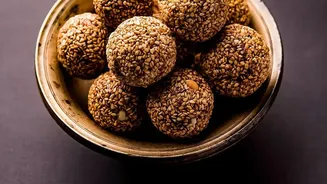
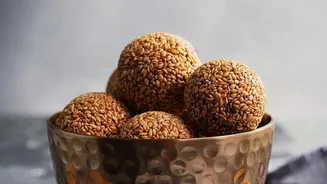
The combination of sesame and jaggery takes many delicious forms. The most common is the Til Ladoo, a simple ball made of roasted sesame seeds bound with melted jaggery. Another popular variant is Chikki, a brittle candy. While peanut chikki is very common, til chikki is a winter specialty where roasted sesame seeds are set in a thin, hard layer of jaggery syrup. Then there is Gajak, a more complex confection, especially popular in Rajasthan and Madhya Pradesh. Gajak has a distinct, flaky, and layered texture achieved by hammering and stretching the til-gur mixture, a process that can take many hours and is considered an art form. Other regional specialties include Til Pitha in Assam and Til-kut in Bihar, each with its unique preparation method.
The Joy of Homemade Tradition
While readily available in markets, making til-gur sweets at home remains a cherished winter activity for many families. The process is often simple, especially for laddoos and chikkis. It usually involves dry-roasting the sesame seeds until aromatic, melting the jaggery into a bubbling syrup, and then quickly combining the two. While the mixture is still warm, it is shaped into laddoos or rolled out flat for chikki. This process fills the home with a nutty, sweet aroma that is synonymous with winter and festive cheer. It becomes an opportunity for family members to gather, share stories, and pass down culinary traditions from one generation to the next, making the sweets taste even better.