



The crisp air of autumn and winter can make outdoor workouts invigorating. But as temperatures fall, you might notice your body doesn't cooperate like it used to. Your hands feel weaker and your joints stiffer, impacting both performance and safety.
The Science of Weaker Grip
If
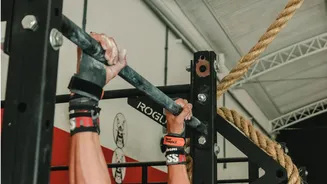
you've ever fumbled with your keys or struggled to hold a pull-up bar in the cold, you've experienced the direct impact of temperature on grip strength. When your body is exposed to cold, it initiates a self-preservation response called vasoconstriction. This process narrows your blood vessels, particularly in your extremities like hands and feet, to reduce blood flow and conserve heat for your vital organs. While smart, this reaction has a downside for your workout. Reduced blood flow means less oxygen and fewer nutrients reaching the muscles in your hands and forearms, causing them to fatigue faster and produce less force. Additionally, cold temperatures slow down nerve signal transmission, delaying the communication between your brain and muscles. This slower reaction time means your grip response is weaker and less coordinated, making it harder to securely hold weights or equipment.
Why Joints Feel Stiff and Immobile
That familiar feeling of stiffness in your knees, hips, and shoulders on a cold day isn't just in your head. Your joints rely on a substance called synovial fluid to act as a natural lubricant, allowing bones to glide smoothly against each other. In cold weather, this fluid can become thicker and more viscous, much like honey left in a cool pantry. This increased thickness reduces the fluid's effectiveness, leading to more friction within the joint, which you feel as stiffness and a limited range of motion. Furthermore, the muscles, tendons, and ligaments surrounding the joints also become less pliable when cold. This tightening can increase tension around the joint, making movements feel restricted and raising the risk of strains or sprains.
The Crucial Role of a Dynamic Warm-Up
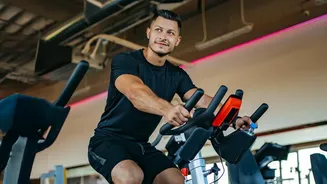
Jumping straight into a workout in the cold is a recipe for poor performance and potential injury. An extended and intentional warm-up is non-negotiable. The goal is to gradually increase your body's core temperature and boost blood flow to your muscles and joints before you start your main exercises. Start indoors, if possible, with five to ten minutes of light cardio like jogging in place, jumping jacks, or using a stationary bike. Follow this with dynamic stretches—active movements that take your joints through their full range of motion. Excellent choices include leg swings, arm circles, torso twists, and walking lunges. These movements help lubricate the joints with synovial fluid and prepare the muscles for the work ahead, counteracting the stiffening effects of the cold.
Gear Up for Success
The right gear is essential for both comfort and performance. To combat grip issues, invest in a good pair of thermal, weather-resistant gloves. Look for a pair that provides warmth without being so bulky that you can't feel what you're doing. For activities that require a secure hold, like pullups or weightlifting, consider gloves with a grippy palm surface. Dressing in layers is another key strategy. Start with a moisture wicking base layer to pull sweat away from your skin, add an insulating middle layer like fleece for warmth, and top it off with a waterproof and wind resistant outer shell. Don't forget a hat and warm socks, as protecting your extremities helps your body maintain overall warmth.
Adjust Your Workout and Expectations
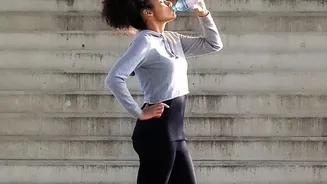
You may not hit a personal best on a frigid day, and that's perfectly fine. It's wise to adjust your workout to match the conditions. If your grip feels compromised, perhaps swap heavy deadlifts for exercises that rely less on hand strength, like squats or lunges. Focus on maintaining form rather than lifting maximal weight. Because your muscles and joints are less flexible, you might also reduce the intensity or complexity of certain movements to lower the risk of injury. It's also critical to stay hydrated. You may not feel as thirsty in the cold, but you still lose fluids through breathing and sweating. Make a point to drink water before, during, and after your workout to keep your body functioning optimally.