







The Great Divide: How They're Made
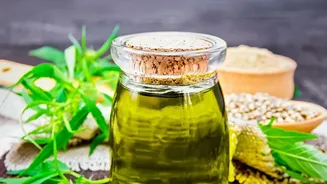
The core difference between cold-pressed and refined oils lies in the extraction process. Cold-pressed oils are made by mechanically crushing seeds or nuts at low temperatures, a method that preserves their natural flavour, aroma, and nutrients. Think
of it as a gentler, more traditional approach. Refined oils, on the other hand, undergo a multi-step industrial process that often involves high heat and chemical solvents to extract the maximum amount of oil. This process includes bleaching and deodorising, which results in a neutral-tasting oil with a longer shelf life but strips away many of the natural vitamins and antioxidants.
The Nutrient Question
Because they are processed at low temperatures, cold-pressed oils retain a wealth of beneficial compounds that are otherwise lost. They are generally richer in antioxidants like vitamin E and polyphenols, which help fight inflammation and cellular damage in the body. Refined oils lose a significant portion of these vital nutrients during processing. While both oil types contain a mix of monounsaturated (MUFA) and polyunsaturated (PUFA) fats, the delicate structure and health benefits of these fats are better preserved in their cold-pressed forms. The refining process can not only remove good compounds but also potentially create harmful trans fats, which are detrimental to heart health.
The Smoke Point Showdown
Here's where refined oils have a distinct advantage: the smoke point. This is the temperature at which an oil starts to smoke and break down, a process that can release harmful free radicals and give food a burnt taste. Refined oils generally have a much higher smoke point, with some able to withstand temperatures of 230°C or more. This makes them suitable for high-heat cooking methods like deep-frying and searing. Most cold-pressed oils have a lower smoke point, often around 160°C to 190°C, making them unsuitable for high-temperature cooking. Using them above their smoke point negates their health benefits and can create inflammatory compounds.
Flavor, Aroma, and the Kitchen Verdict
The choice of oil also comes down to taste. Cold-pressed oils retain the distinct flavour and aroma of their source, whether it's the nutty taste of groundnut oil or the pungent kick of mustard oil. This makes them excellent for dressings, drizzles, and low-heat cooking where you want the oil to contribute to the flavour profile. Refined oils are neutral in taste and smell, which is ideal when you don't want the oil to overpower the other ingredients in a dish. So, which is better for your heart? It's not about crowning one winner. For maximum health benefits and flavour, use cold-pressed oils for raw applications, light sautéing, and tempering (tadka). For high-heat cooking like deep-frying, a refined oil is the safer, more stable choice. The key is using the right oil for the right task.