




The Manchester of South India
Before you plan your itinerary, it helps to know why Coimbatore earned its famous nickname. The city's journey into industrial prominence began in the late 19th and early 20th centuries. The combination of local entrepreneurship, the cultivation of cotton
in the surrounding regions, and the arrival of hydroelectric power from the Pykara scheme in the 1930s created a perfect storm for the textile industry to flourish. Hundreds of textile mills were established, earning it the title 'Manchester of South India' for its booming cotton and textile production, much like its English counterpart. This legacy of hard work and enterprise is not just in history books; it is etched into the very fabric of the city, waiting to be explored.
A Tribute to an Innovator
Your first stop must be the Gedee Car Museum, which also houses exhibits dedicated to its visionary founder, Gopalswamy Doraiswamy Naidu. Often called the 'Edison of India', G.D. Naidu was a prolific inventor and industrialist. While the stunning collection of classic and rare automobiles is the main draw, the adjacent G.D. Naidu Industrial Exhibition provides a fascinating look at his contributions and the engineering spirit of Coimbatore. You'll find everything from early motors and cameras to his innovative razors. It's a beautifully maintained tribute to a man who embodied the city's can-do attitude and a perfect starting point for understanding its mechanical soul.
Weaving a Historical Thread
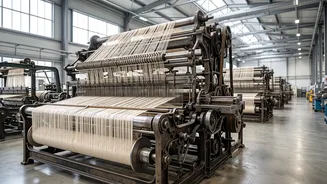
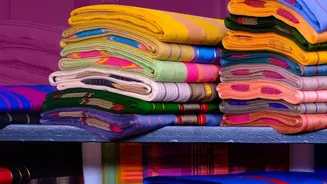
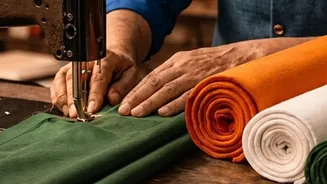
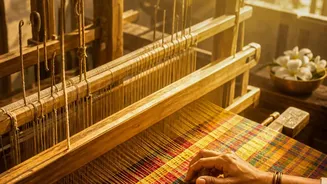
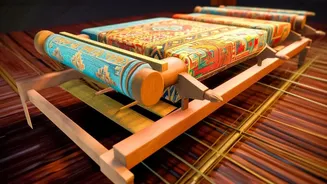
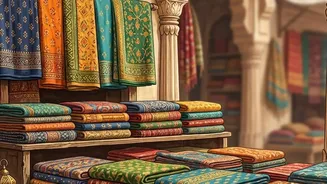
No industrial tour of Coimbatore is complete without delving into its textile roots. While many of the original, towering mills are now modern commercial spaces, their legacy lives on. The Coimbatore Textile Museum offers a window into this world, showcasing the journey of cotton from plant to fabric. You can see traditional and modern weaving machinery and learn about the different types of fabrics that made the region famous. To see the living legacy, take a walk through the older commercial areas like Oppanakara Street and Big Bazaar Street, where generations of textile traders continue to do business in a vibrant, bustling environment.
Pumps, Motors, and Foundries
Coimbatore's industrial story isn't just about textiles. The city is one of India's largest manufacturers of motors, pumps, and wet grinders. This expertise grew out of the need to support the textile mills with locally made machinery and spare parts. This led to the rise of countless foundries and engineering workshops, making the city a hub for heavy industry. While you can't exactly tour a functioning foundry for safety reasons, understanding this aspect of the city's economy adds another layer to your appreciation. It explains the disciplined, engineering-focused mindset that permeates Coimbatore's culture.
Planning Your Industrial Heritage Trip
The best time to visit Coimbatore is from September to March when the weather is pleasant and comfortable for exploring. The city is well-connected by air, rail, and road. For your stay, consider areas like R.S. Puram or Race Course, which are central and offer easy access to museums and key city landmarks. A three-day itinerary is ideal. Dedicate a day to the museums (G.D. Naidu and the textile museum), another to exploring the old city and markets, and a third to perhaps visiting the serene Isha Yoga Center on the outskirts for a completely different kind of experience, providing a peaceful contrast to your industrial explorations.