






The Tale of Two Processes
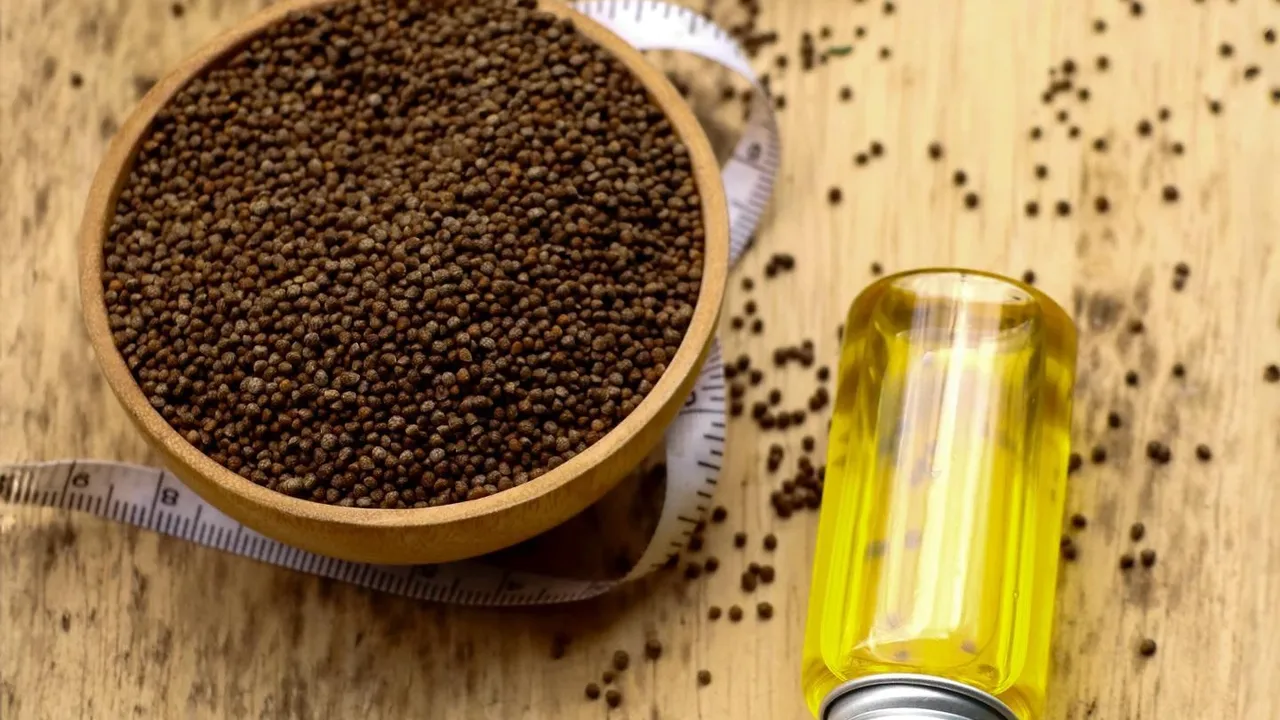
The fundamental difference between cold-pressed and refined oils lies in how they are made. Cold-pressed oils are extracted through a mechanical process where seeds, nuts, or fruits are crushed to release their oil. The key is that this is done without
applying significant heat, typically keeping temperatures below 49°C. This gentle method is designed to preserve the oil’s natural qualities. In contrast, refined oils undergo intensive industrial processing. This often involves high heat and chemical solvents, like hexane, to extract the maximum amount of oil from the source material. Following extraction, the oil is further treated to be neutralised, bleached, and deodorised, which strips it of colour, odour, and flavour to create a uniform product with a long shelf life.
The Nutrient Question: Heat's Impact on Quality
Because cold-pressing avoids high temperatures, these oils retain more of their natural nutrients. They are generally richer in vitamins, minerals, and antioxidants like vitamin E and polyphenols, which have anti-inflammatory properties. These compounds are sensitive to heat and can be significantly reduced during the refining process. For example, some studies have shown that refining can reduce an oil's vitamin E content by up to 50%. While the basic fatty acid profile remains largely the same, the extensive processing of refined oils diminishes many of the health-promoting compounds found in their raw state. This makes cold-pressed oils a more nutritionally dense option.
A World of Flavour: Taste and Aroma
One of the most immediate differences you'll notice is the taste. Cold-pressed oils boast the distinct flavour and aroma of their source ingredient. Cold-pressed walnut oil tastes nutty, extra virgin olive oil has a peppery, fruity profile, and sesame oil offers a toasty warmth. This makes them excellent for adding a layer of flavour to dishes. Refined oils, having been deodorised, are intentionally neutral in taste and smell. This can be an advantage in baking or cooking where you don't want the oil to interfere with the other ingredients' flavours. So, the choice often comes down to whether you want the oil to be a background component or a forward flavour.
The Smoke Point Showdown: Which to Use When?
An oil's smoke point is the temperature at which it begins to break down and produce smoke, which can generate harmful compounds. Refining removes impurities that burn at lower temperatures, giving refined oils a much higher smoke point—often up to 232°C or more. This makes them suitable for high-heat cooking methods like deep-frying, stir-frying, and grilling. Cold-pressed oils have lower smoke points because those natural compounds remain intact. For instance, cold-pressed groundnut oil's smoke point is around 160°C, making it fine for daily cooking like sautéing vegetables or making tadka, but not for deep-frying. Using a cold-pressed oil above its smoke point not only destroys its delicate flavours and nutrients but can also be a fire hazard.
Making the Right Choice for Your Kitchen
Neither oil is universally superior; the best choice depends on how you plan to use it. For flavour and maximum nutritional benefit, reach for cold-pressed oils. They shine in salad dressings, dips, marinades, or as a finishing oil drizzled over a completed dish to add aroma and richness. They are also ideal for low-to-medium-heat cooking. On the other hand, when you need to cook at high temperatures, a refined oil is the safer and more practical option. Its neutrality and stability make it a reliable workhorse for frying and high-heat baking. Many home cooks find that keeping one of each type on hand offers the best of both worlds: flavour and nutrition from cold-pressed oils, and versatility and stability from refined ones.