


Mastering the Art of Booking
The journey begins long before you reach the station. Securing a confirmed ticket during festival season is the first major hurdle. Regular bookings open 120 days in advance on the IRCTC portal. For last-minute plans, the 'Tatkal' quota is your best bet,
opening one day before the journey at 10 AM for AC classes and 11 AM for non-AC classes. This window closes within minutes, so be prepared. Create an 'Master List' with passenger details on the IRCTC app or website beforehand to auto-fill information quickly. Using the official IRCTC Rail Connect app and a fast payment method like UPI or the IRCTC eWallet can save precious seconds. Also, watch out for special festival trains announced by Indian Railways to manage the extra rush.
Your Digital Toolkit: Essential Apps
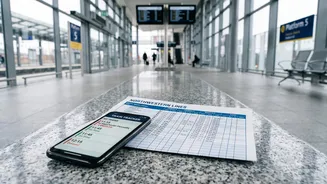
Your smartphone is your best travel companion. Before you leave, download a few key apps. The official IRCTC Rail Connect app is essential for booking and managing tickets. For live train tracking, platform numbers, and delays, the National Train Enquiry System (NTES) app is indispensable. Increasingly, Indian Railways is consolidating services into super-apps like RailOne, which combines unreserved ticketing, live status, and complaint filing. Having these apps means you can check your train's status before leaving for the station, avoiding confusion and long waits for information on crowded platforms.
Conquering the Crowded Station
Festival-season railway stations are a sea of humanity. To manage this, many major stations now have designated 'holding areas' or 'Yatri Suvidha Kendras' outside the main building. You may be asked to wait here until your train is announced to prevent platform overcrowding. Arrive at the station well in advance—at least an hour, if not more. Use the NTES or RailOne app to confirm your platform number, but always listen to announcements, as last-minute changes are common. Familiarise yourself with the station layout; look for the iconic yellow signboards with black text which denote station names, and follow overhead signs for platforms, footbridges, and exits.
Luggage, Porters, and Finding Your Coach
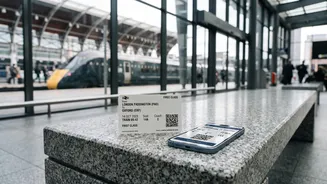
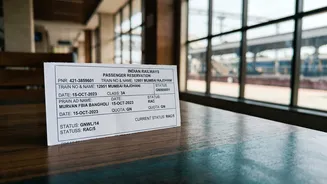
Travel as light as possible. A heavy bag is a liability in a dense crowd. If you do need help, official porters (coolies) are available. Agree on a price beforehand to avoid disputes later. Once on the platform, find your coach. The coach position is usually displayed on electronic boards or can be checked via apps. Your ticket will have a coach number (e.g., S4, B2) and a seat number. Secure your luggage under the seat with a chain and lock—an absolute must for overnight journeys. Keep your valuables, phone, and wallet in a small bag that stays with you at all times.
Staying Safe and Sound
Safety is paramount. The Railway Protection Force (RPF) increases its presence during festivals, but you must remain vigilant. Never accept food or drinks from strangers. Be wary of pickpockets in crowded areas. Avoid standing near the train doors, especially when the train is moving. Indian Railways prohibits carrying flammable items like firecrackers, gas cylinders, and kerosene, so ensure your luggage is free of them. If you see anything suspicious or face any trouble, contact the RPF or use the railway helpline number 139.
Food, Water, and Onboard Comfort
While many long-distance trains have pantry cars and e-catering services allow you to order food online via the IRCTC app, it's always wise to carry your own water bottle and some non-perishable snacks like fruit or biscuits. This ensures you stay hydrated and have something to eat if there are unexpected delays. Be considerate to fellow passengers; space is limited, and a little courtesy goes a long way in making the journey pleasant for everyone. Remember the official sleeping time is between 10 PM and 6 AM, during which it's polite to keep lights and noise to a minimum.