



The Spiritual Heart of the Fast
Observing a fast, or 'vrat', on Janmashtami is more than just abstaining from food; it's a practice of purifying the body and mind to focus on spiritual devotion. The fast typically begins at sunrise on Janmashtami day and concludes at midnight, the time
Lord Krishna is believed to have been born. The core idea is to reduce distractions from worldly pleasures and direct one's energy towards prayer, meditation, and remembering Krishna's teachings. It is an act of discipline and gratitude, intended to bring devotees closer to the divine.
Choose a Fast That Suits You
There isn't a single, rigid way to fast. Traditions vary, and it's important to choose a method that aligns with your health and capacity. The two most common types are the Nirjala and Phalahari fasts. A 'Nirjala' vrat is the strictest form, involving complete abstinence from both food and water. This is generally advised only for those who are in good health and have experience with fasting. The more common and beginner-friendly option is the 'Phalahari' vrat. In this fast, you avoid grains, but can consume fruits, milk products, and specific fasting-friendly foods. Some people also observe a partial fast, eating one light, sattvic meal during the day.
The Vrat-Friendly Food List
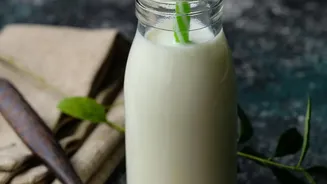
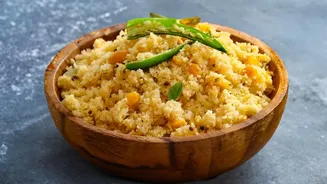
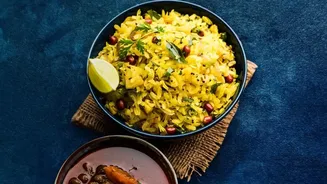
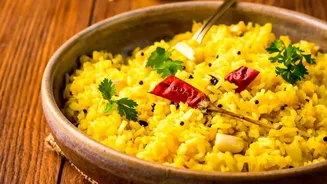
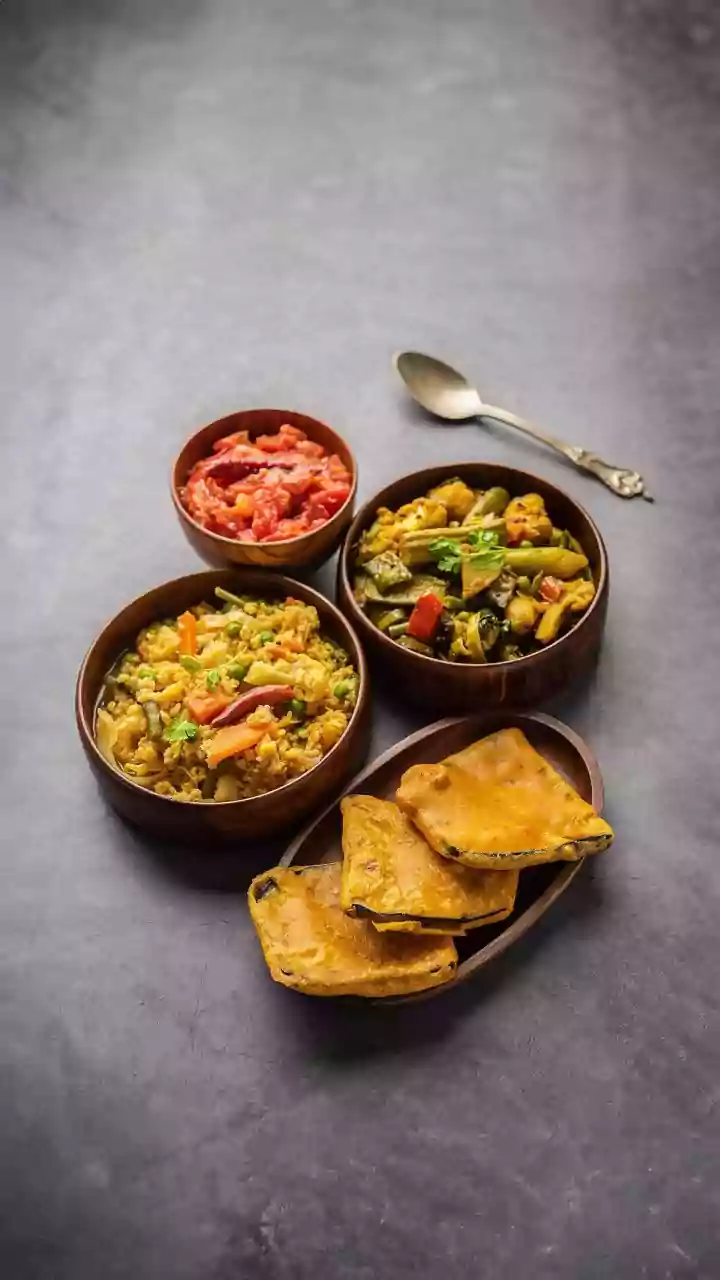
If you're observing a Phalahari fast, knowing what you can eat is key. The diet is centred on 'sattvic' or pure foods. All fresh fruits, such as bananas, apples, and pomegranates, are permitted. Dairy products like milk, curd (yoghurt), paneer, and buttermilk are central to the fasting diet. For starches, you can turn to alternatives like sabudana (tapioca pearls), makhana (fox nuts), and specific fasting flours like kuttu (buckwheat flour), singhara (water chestnut flour), and rajgira (amaranth flour). Many vegetables are also allowed, including potatoes, sweet potatoes, pumpkin, and tomatoes. For seasoning, regular table salt is replaced with sendha namak (rock salt).
What Foods to Strictly Avoid
The list of foods to avoid is just as important. The primary restriction is on all grains and cereals, including wheat, rice, and lentils. All non-vegetarian foods, such as meat, fish, and eggs, are strictly forbidden. Foods considered 'tamasic', which are believed to cause mental dullness, are also avoided. This category most notably includes onions and garlic. Regular table salt is not used in vrat cooking. Additionally, alcohol and tobacco are to be avoided during the observance of the fast.
Tips for a Healthy and Mindful Fast
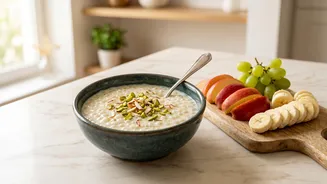
Fasting should be a purifying experience, not a punishing one. If you are not observing a Nirjala fast, it's crucial to stay hydrated with water and coconut water throughout the day. While vrat-friendly foods are allowed, it's wise to avoid the trap of overindulging in fried or heavy options like sabudana vadas or oily potato dishes. Opting for roasted, boiled, or baked preparations can help you feel light and energetic. A balanced plate might include some samak rice, a bowl of yoghurt, and a side of fruit chaat. Most importantly, listen to your body. Fasting is a personal journey, and the intention behind it matters more than the level of strictness.