




Prioritise Safe Drinking Water
This is the single most important rule. The risk of water contamination and water-borne diseases like typhoid, cholera, and gastroenteritis skyrockets during the monsoon. Simply relying on tap water is a gamble. Ensure you boil all drinking water for
at least 10 minutes, even if you use a water purifier. Many filters can become less effective with the increased sediment in monsoon water. Also, pay close attention to the storage of your purified water; use clean, covered containers to prevent re-contamination.
Rethink Your Diet and Food Habits
Your digestive system can be more sensitive during this season. Opt for light, home-cooked meals. Heavy, oily, and fried foods are harder to digest. Be especially wary of leafy green vegetables like spinach and cabbage, as the grime and moisture make them a breeding ground for germs. If you do eat them, wash them thoroughly in a saline solution or potassium permanganate solution and cook them well. Avoid eating raw food like salads. It’s also wise to limit street food, particularly items like pani puri or chutneys that use unverified water sources.
Declare War on Mosquitoes
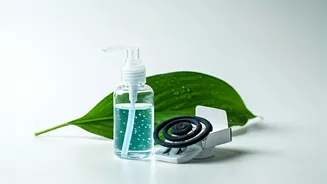
Stagnant water turns every puddle and pot into a potential mosquito breeding ground, increasing the risk of dengue, malaria, and chikungunya. The fight starts at home. Don't allow water to collect in coolers, flower pots, old tyres, or any open containers. Clear out clogged drains and check for water accumulation on flat roofs. Inside the house, use mosquito nets for sleeping, especially for children and the elderly. Applying a good quality mosquito repellent on exposed skin when stepping out, particularly during dawn and dusk, is non-negotiable.
Focus on Personal Hygiene
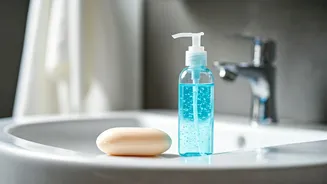
The high humidity of the monsoon is perfect for fungal and bacterial growth. This makes personal hygiene more critical than ever. Take a bath with an antiseptic soap at least once a day. Pay special attention to your feet. Walking through dirty puddles can lead to nasty fungal infections like Athlete's Foot. As soon as you get home, wash your feet and legs with soap and warm water, and dry them thoroughly, especially between the toes. Keep your nails trimmed and clean to prevent dirt accumulation.
Boost Your Family's Immunity
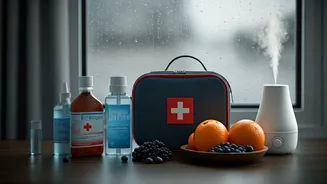
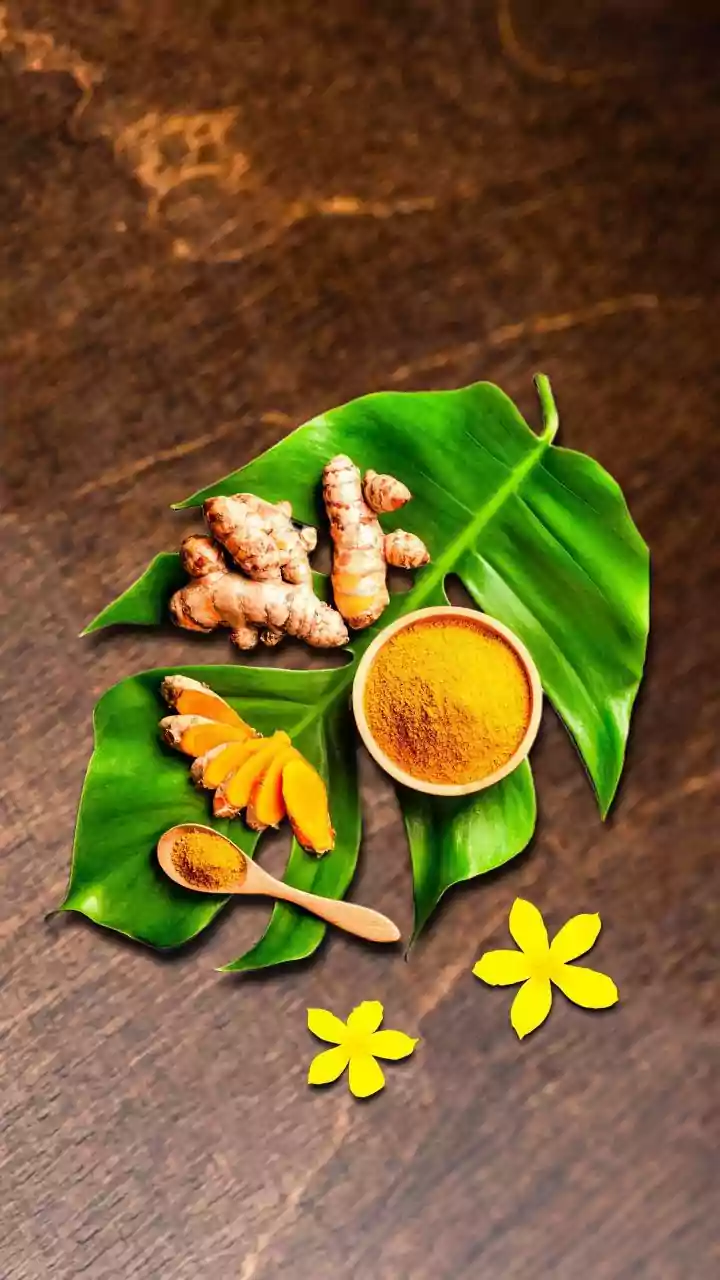
A strong immune system is your best defence against the common cold, flu, and viral fevers that are rampant during this season. You don't need expensive supplements; simple dietary changes can help. Include plenty of Vitamin C-rich foods like amla, oranges, and lemons in your diet. Probiotic-rich foods like homemade dahi (yoghurt) are excellent for gut health, which is closely linked to immunity. Adding immunity-boosting spices like turmeric, ginger, and garlic to your cooking can also make a significant difference. Ensure everyone in the family, especially kids, gets adequate sleep.
Keep Your Home Dry and Ventilated
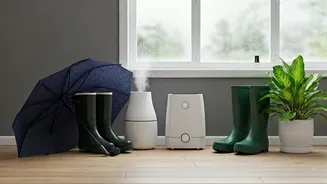
Dampness in the house doesn't just feel unpleasant; it promotes the growth of mould and mildew, which can trigger allergies and respiratory issues. Keep your home well-ventilated by opening windows for a few hours on sunny or dry days. Use exhaust fans in kitchens and bathrooms. Damp clothes should not be left to dry inside living spaces if possible, as they increase indoor humidity. If you notice any signs of mould on walls, clean it immediately with a vinegar or bleach solution.