




Embrace Micro-Breaks for Movement
The key to feeling less static is to fight stillness with frequency. Research shows that moving for just a few minutes every hour can improve health and mood. Set a recurring timer on your phone or computer for every 30 to 60 minutes. When it goes off,
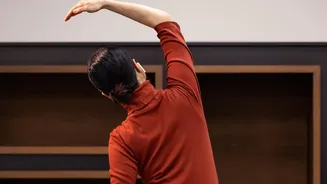
take a three-minute break. This isn't about a full workout; it's about briefly interrupting the sitting posture. Stand up, stretch your arms overhead, roll your shoulders, or do a few neck rolls. These small bursts of activity improve circulation, reduce muscle strain, and can even sharpen your focus better than another cup of coffee.
Re-engineer Your Daily Routine
Look for opportunities to build movement into tasks you already do. Instead of emailing a colleague who sits nearby, walk over to their desk for a quick chat. When you have a phone call, stand up and pace around your office or room. Always opt for the stairs instead of the elevator; this is a classic for a reason, as it's a simple way to get your heart rate up. Even your hydration habits can help. Using a smaller water bottle will require you to get up more often to refill it, forcing a short walk and a break from the screen. These little changes add up significantly over the course of a week.
Optimize Your Workspace for Activity
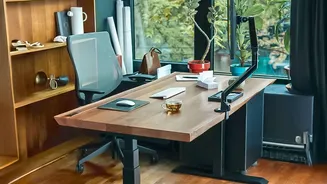
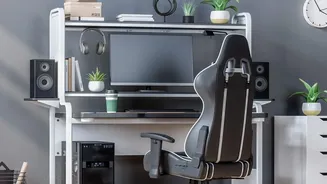
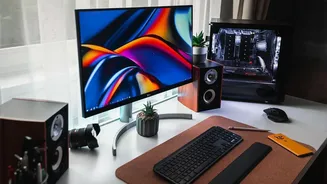
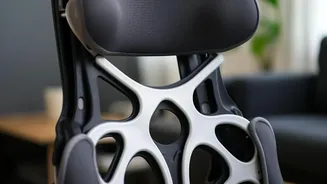
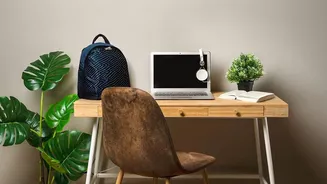
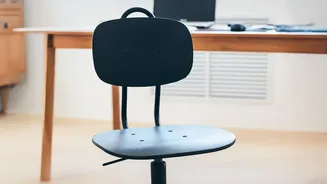
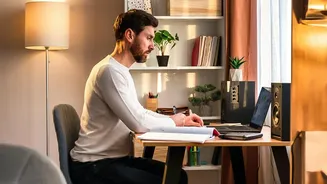
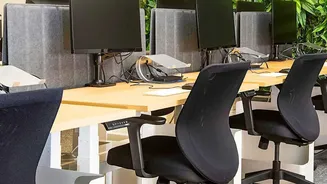
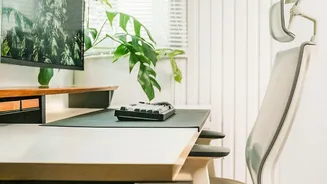
Your desk setup can either encourage or discourage movement. If possible, an adjustable sit-stand desk is an excellent investment, allowing you to alternate between sitting and standing throughout the day. Experts suggest this simple change can engage different muscle groups and reduce the strain on your lower back. If a standing desk isn't an option, focus on ergonomics. Ensure your monitor is at eye level to prevent neck strain, and your chair supports good posture, with feet flat on the floor. You can also keep small resistance bands at your desk for quick arm and shoulder exercises during breaks.
Turn Meetings into Motion
Meetings often represent long, uninterrupted periods of sitting. Challenge this norm by suggesting 'walking meetings' for smaller, more informal discussions. The combination of light physical activity and fresh air can boost creativity and make brainstorming sessions more dynamic. If a walking meeting isn't practical, simply standing for a portion of a virtual or in-person meeting can serve as a valuable break from the chair. For long meetings, advocate for a short stretching break halfway through. This not only helps with physical stiffness but also re-energizes attendees and helps them maintain focus.
Use Your Lunch Break Wisely
It can be tempting to eat lunch at your desk to save time, but this habit reinforces a sedentary pattern. Make a point to step away from your workspace. Even if it's just moving to a breakroom, it changes your posture and environment. Better yet, use part of your lunch break for a brisk walk outside. The movement and change of scenery are proven to reduce stress and improve mental clarity for the afternoon ahead. You'll return to your desk feeling more refreshed and ready to tackle the rest of your day with renewed energy.