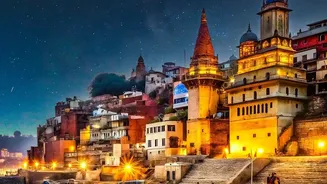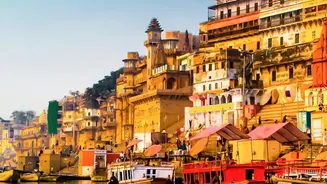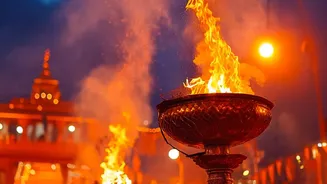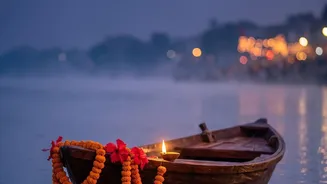







On November 10, 2026, the ancient city of Varanasi will once again transform into a celestial riverfront, with millions of earthen lamps illuminating its ghats for Dev Deepawali. This breathtaking spectacle is more than just a festival; it’s a masterclass
in collaboration.
An Orchestra of Light
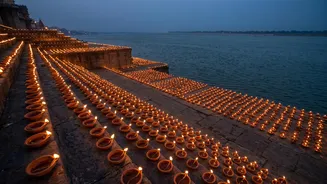
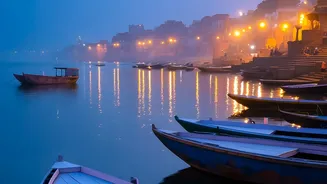
Dev Deepawali, often called the 'Diwali of the Gods', is a spectacle on an almost unimaginable scale. The goal each year is to light more than a million 'diyas' along the city's 80-plus ghats, which stretch for several kilometres along the Ganges. In recent years, the official count has soared, with celebrations in 2023 seeing over 12 lakh lamps lit on the ghats alone, and many more across the city. This river of light is the result of a complex, layered effort that begins weeks in advance, combining spiritual tradition with modern event management. It’s a festival that belongs to the people of Kashi, and its success hinges on their deep-rooted participation.
The Administrative Backbone
At the highest level, the Varanasi district administration acts as the central nervous system for the entire event. Officials are tasked with the monumental job of ensuring safety and order for the lakhs of pilgrims and tourists who descend upon the city. Their responsibilities are vast: developing detailed crowd management strategies, rerouting traffic, deploying security forces, and arranging for sanitation and emergency services. The administration holds numerous coordination meetings with police, the tourism department, and various municipal bodies to ensure every aspect is covered. They map out the ghats, allocate spaces, and manage the flow of people to prevent bottlenecks and ensure a safe, spiritual experience for everyone.
Power to the People: The Ghat Committees
The real magic of Dev Deepawali lies in its decentralised, community-led execution. The ghats are not lit by a single entity; instead, responsibility is divided among numerous local committees. Each committee, often composed of local traders, priests, boatmen, and residents who live near a particular ghat, takes ownership of its section of the riverfront. One of the most prominent is the Ganga Seva Nidhi, which manages the elaborate displays at the famous Dashashwamedh Ghat. These groups raise their own funds to purchase the immense quantities of diyas, oil, and cotton wicks needed for the evening. This hyper-local approach ensures that every corner of the riverbank is accounted for and instills a powerful sense of pride and ownership among the residents.
The Volunteer Army
With millions of lamps to place and light, manpower is everything. This is where the city’s volunteer spirit shines. Students from local schools and universities, members of social and religious organisations, and countless ordinary citizens come forward to lend a hand. In the days leading up to the festival, these volunteers can be seen meticulously cleaning the steps of the ghats. On the day of Dev Deepawali, they undertake the painstaking task of arranging the earthen lamps into intricate patterns. As dusk approaches, this volunteer army moves with practiced efficiency, going from one diya to the next, bringing the entire riverfront to life in a coordinated blaze of glory. Their selfless service is the engine that powers the entire spectacle.
Tradition Meets Technology
While the tradition of lighting diyas remains at the heart of Dev Deepawali, the event has evolved to incorporate modern elements. In recent years, the earthen lamps have been complemented by spectacular laser and drone shows. These hightech displays often depicting religious motifs and telling stories from Hindu mythology add a new dimension to festivities and have become a major attraction. The administration often coordinates these shows which are projected onto grand facades of historic buildings along ghats This blend of ancient ritual and contemporary technology ensures that Dev Deepawali not only honours its past but also continues to captivate a new generation of visitors and devotees.