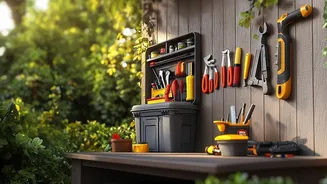









Your Home’s Essential ‘Owner’s Manual’
Most of us have a drawer stuffed with user manuals for blenders and televisions, yet we lack a central guide for our most significant investment: our home. A household manual, or home binder, is a central repository for all critical information related
to your property. Think of it as your home's complete medical record. It's a living document that tracks everything from the brand of your water heater to the colour of the paint in the living room. Instead of relying on scattered receipts and faded memories, a dedicated manual provides a single source of truth, saving you time, money, and stress when something inevitably needs attention. This organised approach transforms homeownership from a reactive scramble to proactive management.
Building Your Technician Dossier
The core of a truly useful household manual is a detailed record of the professionals who have worked on your home. This goes beyond a simple list of names and numbers in your phone. For every plumber, electrician, HVAC specialist, or handyman, your manual should contain a dedicated entry. Record the company name, contact information, and the date of each service call. Crucially, you should also document the specific work performed, the total cost, and any warranties on parts or labour. Adding personal notes can be invaluable. Was the technician punctual and professional? Did they clean up afterward? This detailed log makes it easy to recall who fixed the furnace three years ago and prevents you from hiring someone who did a poor job in the past.
Finding and Vetting Your A-Team
A great manual is only as good as the technicians listed in it. Building a roster of reliable professionals before an emergency strikes is a smart strategy. Start by asking friends, neighbours, and local community groups for personal recommendations; these are often more reliable than online ratings alone. Once you have a few names, do your own vetting. Check if their trade requires state licensing and verify that their credentials are active and in good standing with the relevant board. A legitimate professional will have no issue providing their license number. Furthermore, confirm that they carry liability insurance to protect you in case of accidents on your property. Reading reviews across multiple platforms like Google, Yelp, and the Better Business Bureau can also help build a complete picture of their reputation.
What Else to Include in Your Manual
While the technician log is vital, a comprehensive home manual should include much more. Divide your binder or digital file into clear sections. Include purchase documents, inspection reports, and property blueprints. Create a section for appliance information, complete with model numbers, user guides, and warranty details. Keep a log of all renovations and improvements, including permits, contractor invoices, and before-and-after photos. It’s also wise to document key locations for things like your main water shut-off valve and electrical panel. Finally, include a list of all paint colours, flooring types, and other finishes to make future touch-ups and repairs seamless.
The Long-Term Payoff
The effort of creating and maintaining a household manual pays dividends for years. In the short term, it provides peace of mind. When a problem arises, you have an organised plan of action instead of a crisis. Regular maintenance tracking helps you budget for future expenses and can extend the life of your home’s major systems. But the ultimate payoff comes when it’s time to sell. A detailed and well-documented maintenance history is a powerful tool in real estate negotiations. It demonstrates a high level of care and transparency, giving potential buyers confidence in the property and potentially increasing its value. Presenting a complete history of repairs and upgrades shows that the home has been responsibly maintained.