






The Core Issue: One Booking vs. Separate Tickets
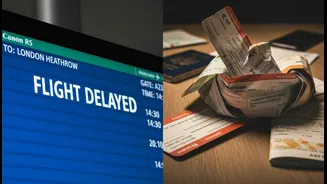
When you book a journey from, say, Delhi to New York via Dubai, and it's all under a single booking reference or PNR, it's considered a "through-ticket." In this scenario, if your first flight is delayed and you miss your connection, the airline is contractually
obligated to get you to your final destination. They must rebook you on the next available flight at no extra cost and may have to provide meals and accommodation during a long wait. However, if you book your Delhi-Dubai flight and your Dubai-New York flight as two separate transactions, you have what's known as a "self-transfer" or separate tickets. From the airlines' perspective, these are two distinct journeys. If the first flight is late, the second airline has no obligation to help; they will likely classify you as a "no-show" and may cancel your ticket without a refund.
The Unfortunate Reality of Self-Transfers
The rule of thumb is straightforward: with separate tickets, you bear the full risk. The first airline is only responsible for getting you to the destination on their ticket (Dubai, in our example). The second airline isn't responsible for the delay of the first. This can be a financially painful lesson. You could be forced to buy a last-minute, full-price ticket for the second leg of your journey. This risk applies even if both flights are with the same airline but were booked under different reservation numbers. While a gate agent might offer help out of goodwill, especially if both flights are on the same carrier, they are not required to do so.
What About Airline Alliances?
There can be a small glimmer of hope if your separate tickets are with airlines within the same alliance (like Star Alliance, Oneworld, or SkyTeam). Some alliances have policies that may treat passengers with separate tickets on member airlines as through-ticketed passengers in the event of a disruption. For example, American Airlines has a published policy to protect passengers connecting between oneworld carriers, even on separate tickets. However, this is an exception rather than the rule and should not be relied upon universally. It's always best to check the specific policies of the airlines and the alliance involved before you book.
How to Protect Yourself
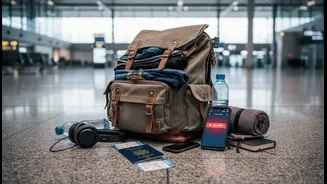
If you choose to book separate tickets, preparation is everything. The most critical step is to leave a very generous buffer between flights. Many experts recommend at least four hours for domestic connections and even more for international ones where you need to clear immigration, collect baggage, and re-check-in. Travelling with only carry-on luggage can save a significant amount of time and stress by eliminating the need to wait at the baggage carousel and go through the check-in process again. Before booking, check the on-time performance of your first flight and research the layout of the connecting airport to understand transfer times.
The Ultimate Safety Net: Travel Insurance
Perhaps the most reliable way to mitigate the risk of self-transferring is to purchase a comprehensive travel insurance policy. When buying insurance, you must specifically look for "missed connection" coverage. This type of policy can reimburse you for the additional transportation costs and related expenses incurred if you miss a connection due to a covered reason, like a delay on your incoming flight. Be sure to read the policy's fine print. Some plans may only cover connections on a single ticket, so you need to ensure your plan explicitly covers self-transfer or separate-ticket scenarios. Always keep all your boarding passes and get written confirmation of any delay from the first airline, as you will need this documentation for your claim.