



Traditional Favourites Get a Healthy Twist
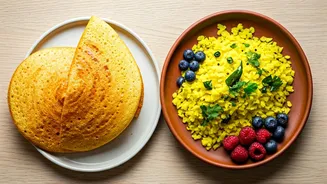
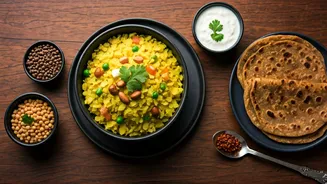
The heart of the Indian breakfast isn't disappearing; it's getting a mindful makeover. Think of your beloved poha. Today, you’re just as likely to find it made with nutrient-dense red or brown rice flakes instead of the standard white. Cooks are loading
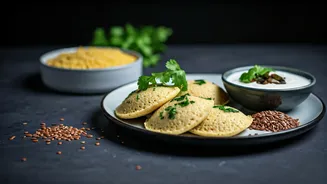
it with more vegetables—peas, carrots, beans—and a generous sprinkle of peanuts or seeds for extra protein and crunch. Similarly, the humble idli is being reinvented with oats or ragi (finger millet), making it richer in fibre. Even the indulgent aloo paratha is seeing a change. Families are swapping out the potato filling for protein-packed alternatives like paneer or sattu, and pan-frying them with minimal ghee or oil instead of shallow-frying. It’s not about giving up comfort food; it's about evolving it to fit a modern understanding of nutrition without sacrificing flavour. This shift proves that tradition and health can coexist beautifully on the same plate.
The Mighty Millet Comeback
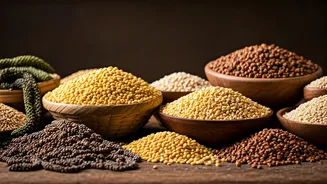
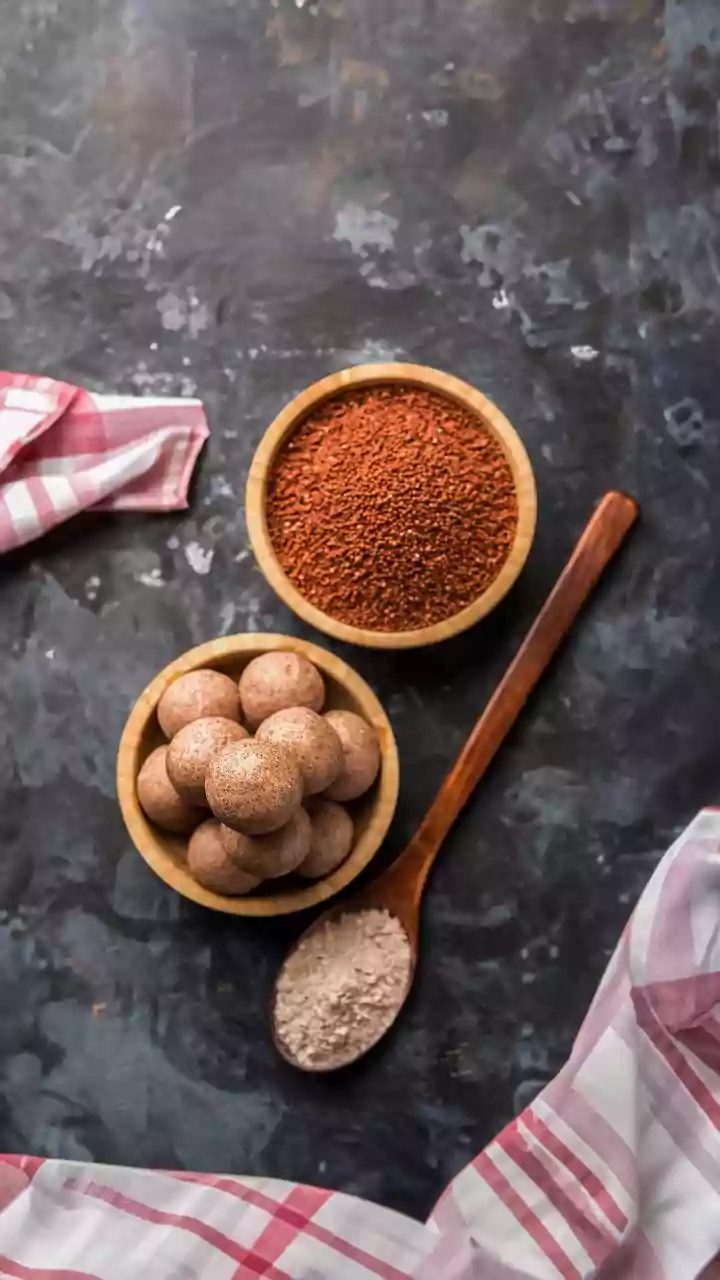
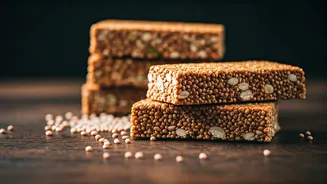
One of the biggest drivers of this health-ward trend is the spectacular return of millets. Once considered a humble, rural staple, grains like jowar (sorghum), bajra (pearl millet), and ragi are now celebrated as superfoods. Nutritionists and chefs alike are championing them for being gluten-free, high in fibre, and packed with essential minerals. This resurgence is changing the breakfast landscape. Ragi dosas and uttapams are becoming a common sight, offering a wholesome alternative to their rice-based counterparts. Fluffy porridges made from foxtail millet are replacing sugary cereals. Upma, traditionally made with semolina, is now being prepared with quinoa or broken bajra. This isn't just a niche urban phenomenon; government initiatives and a growing awareness of sustainable agriculture are helping millets reclaim their rightful place in the Indian kitchen, starting with the most important meal of the day.
Putting Protein First
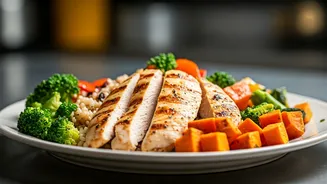
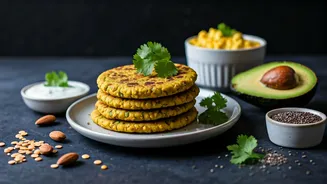
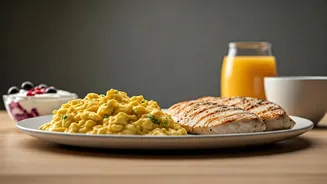
Traditionally, many Indian breakfasts have been rich in carbohydrates, providing a quick burst of energy. However, there's a growing understanding of the importance of protein for satiety, muscle health, and sustained energy. This has led to a conscious effort to make breakfast more balanced. Moong dal chilla, a savoury crepe made from lentils, has surged in popularity as a delicious, high-protein option. Scrambled paneer (paneer bhurji) or tofu bhurji, seasoned with Indian spices and packed with vegetables, offers a fantastic vegetarian protein source. For non-vegetarians, eggs—whether boiled, scrambled, or in an omelette filled with greens—are becoming a breakfast non-negotiable. This focus on protein ensures you stay full and focused longer, preventing the mid-morning slump that often follows a purely carb-based meal.
Global Trends with an Indian Soul
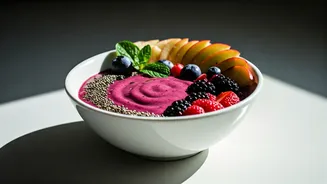
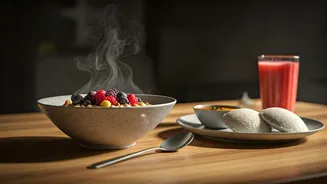
The modern Indian breakfast plate is also being inspired by global wellness trends, but always with a distinctively local twist. Smoothie bowls, for instance, are a big hit. But instead of exotic berries, you’ll find them blended with local fruits like mango, chikoo, and banana, and topped with Indian-grown chia or basil seeds (sabja). Overnight oats are another popular import, often soaked in buttermilk (chaas) or flavoured with cardamom and saffron for a desi touch. Avocado toast gets an upgrade with a sprinkle of chaat masala or a side of spicy chutney. This fusion isn't about replacing Indian food; it's about creatively integrating new ideas and ingredients into our culinary vocabulary. It reflects a connected, curious, and health-conscious generation that is open to borrowing the best from the world while staying true to its roots.