




The Digital Tadka
The single biggest catalyst for this change is the device in our pockets. Social media platforms like Instagram and YouTube have transformed kitchens into studios and home cooks into influencers. Food bloggers and chefs now showcase a staggering variety
of dishes, demystifying complex techniques through short, engaging videos. This digital exposure has been instrumental in reviving interest in India's vast culinary heritage. Suddenly, a home cook in Delhi can learn to make a perfect Malabari Pathiri, while someone in Chennai can master a Himachali Babru. This online exchange has fuelled a desire to experiment, pushing people to try new things and share their own creations, turning cooking from a chore into a form of self-expression.
A Return to the Roots
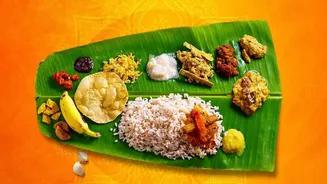
This wave of experimentation isn't just about fusion food; it's also a powerful movement towards rediscovering forgotten traditions. For decades, restaurant menus and urban kitchens often defaulted to a few North Indian staples like naan and kulcha. Now, there’s a growing appreciation for the immense diversity of regional Indian breads, each shaped by local grains, climate, and culture. Breads that were once confined to specific communities are finding a national audience. Think of Khoba Roti from Rajasthan, with its intricate pattern designed to hold ghee, or the delicate, steamed Pathiri from Kerala, a perfect partner for coconut-based curries. This revival celebrates the resourcefulness of Indian cooking, where every region developed unique ways to turn local produce into nourishment.
The Millet Movement
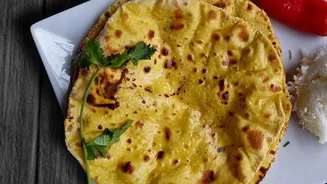
Health consciousness has also played a significant role in this shift. As people look for nutritious alternatives to refined wheat, ancient grains like millets are making a major comeback. Bhakri, a rustic flatbread made from jowar (sorghum) or bajra (pearl millet), has long been a staple in the drier regions of Maharashtra, Gujarat, and Rajasthan. Previously considered humble fare, these gluten-free breads are now celebrated for their high fibre content, nutty flavour, and health benefits. Home cooks are learning the specific techniques required to work with these non-gluten flours, which are often patted into shape by hand rather than rolled. From Karnataka's Ragi Roti to the Mandua Roti of the Himalayan hills, millets are re-entering the modern Indian diet, one flatbread at a time.
Global Techniques, Desi Flavours
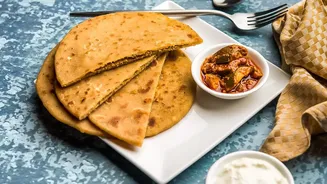
The experimentation also involves blending global techniques with classic Indian tastes. The sourdough craze, for instance, has found a unique Indian expression. Bakers are moving beyond plain loaves to create 'desi sourdough' infused with familiar flavours like ajwain, fenugreek (methi), and even tadka spices. Similarly, the concept of a flaky, layered paratha is being pushed to new limits with creative stuffings, from paneer and spinach to sweet coconut fillings. This fusion isn't about losing authenticity but expanding the definition of what an Indian bread can be. It’s a playful and delicious intersection of tradition and modernity, proving that the Indian bread basket has room for endless innovation.