



Why Soaking and Rinsing Matter
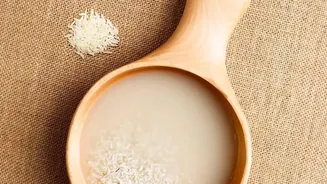
Before we get to ratios, let's talk prep. Rinsing rice under cold water until it runs clear is a non-negotiable step for most varieties. This washes away excess surface starch, which is the main culprit behind gummy, sticky rice. Soaking, though optional
for some, is highly recommended for many Indian staples. It allows the grains to hydrate evenly, which leads to a fluffier texture and reduces cooking time. Soaking for just 30 minutes can make a noticeable difference, especially with long-grain rice like Basmati, helping the grains elongate beautifully without breaking. Furthermore, this process helps break down certain compounds in the rice, making it easier to digest and improving nutrient absorption.
The King of Rice: Long-Grain Basmati
Basmati is prized for its fragrance and delicate, separate grains, making it perfect for biryanis, pulaos, and as a side dish. To get it right, soaking is key. Rinse the rice thoroughly, then soak it for at least 30 minutes. After soaking, drain the water completely. For the stovetop absorption method, a general rule of thumb is to use a 1:1.5 or 1:1.75 ratio of rice to water. This means for every cup of soaked rice, you would add about one and a half to one and three-quarter cups of fresh water. Bring the water to a boil, add the rice, then reduce the heat to a low simmer, cover the pot with a tight-fitting lid, and cook for 10-12 minutes without peeking. Once done, let it rest, covered, for at least 5 minutes before fluffing with a fork.
The Daily Staple: Medium-Grain Sona Masuri
Sona Masuri is a beloved daily rice in many South Indian households. It's lighter and lower in starch than some other varieties. While it doesn't require as long a soak as Basmati, a quick 15-20 minute soak after rinsing will yield a softer texture. Sona Masuri generally requires more water than Basmati. A common stovetop ratio is 1 cup of rice to 2 or 2.5 cups of water. Because its grains are shorter and can become sticky if overcooked, it's important to watch it carefully. Like with Basmati, bring the water to a boil, add the rinsed and soaked rice, reduce to a simmer, cover, and cook until the water is absorbed. Letting it rest off the heat is crucial for the final texture.
Hearty and Healthy: Brown and Regional Rice
Brown rice, with its bran layer intact, is chewier and nuttier than white rice. It requires more water and a longer cooking time. Soaking is highly beneficial, for at least an hour or even longer, to soften the tough outer layer. The water-to-rice ratio for brown rice is typically higher, around 1:2.25 or even 1:2.5. Indigenous Indian varieties like Rajamudi or Poongar also have their own unique needs. For example, Rajamudi cooks well with a 1:2.5 water ratio, while a flavourful variety like Gobindobhog might only need a 1:2 ratio. The key is to check the packaging for guidance but be prepared to experiment slightly to find what works best for the specific grain you have.
Common Mistakes to Avoid
Perfect rice is as much about what you don't do as what you do. First, avoid stirring the rice while it's simmering. Stirring releases starches and breaks the grains, leading to a gluey texture. A quick stir when you first add the rice is fine, but then leave it alone. Second, resist the temptation to lift the lid. Cooking rice with the absorption method relies on trapped steam to cook the grains evenly. Lifting the lid lets the steam escape and disrupts the process. Finally, always let the rice rest for 5-10 minutes after turning off the heat. This allows the moisture to redistribute, ensuring the grains are perfectly cooked and firm, not wet and mushy.