





In the world of wellness, you may have heard the advice: soak your raw nuts before eating them. The practice, known as 'activating', claims to unlock nutrients and make them much easier on your stomach. But is there truth to this kitchen wisdom?
The Theory Behind Soaking
The argument
for soaking nuts centres on two natural components found in them: phytic acid and enzyme inhibitors. Nuts and seeds have these compounds as a defence mechanism to prevent them from sprouting until conditions are right. Proponents of soaking suggest these substances can be problematic for human digestion. Phytic acid, sometimes called an 'anti-nutrient', can bind to minerals like iron, zinc, and calcium in your digestive tract, potentially reducing their absorption. Meanwhile, enzyme inhibitors are thought to put a strain on our digestive system by making it harder for our own enzymes to do their job, leading to feelings of bloating or heaviness for some people. The theory is that a simple soak in water, sometimes with a pinch of salt, mimics the germination process, neutralising these compounds and making the nuts both more nutritious and easier to digest.
What the Science Actually Says
While the theory sounds convincing, scientific research has struggled to support these claims. Several key studies have cast doubt on the purported benefits. A 2020 study looking at almonds, walnuts, hazelnuts, and peanuts found that soaking had minimal and inconsistent effects on phytic acid levels. In some cases, levels even slightly increased, and the process also led to a loss of essential minerals like iron, zinc, and calcium, which leached into the soaking water. Another human trial from 2018 specifically investigated whether soaking almonds improved digestive comfort. The results showed no significant improvement in gastrointestinal tolerance; in fact, some participants reported slightly more bloating with the soaked nuts. The consensus among many dietitians is that for a person eating a balanced diet, the amount of phytic acid in a normal serving of nuts is unlikely to cause mineral deficiencies.
A Major Benefit: Better Texture and Taste
If soaking doesn’t dramatically boost nutrition or digestibility, why do so many people swear by it? The most noticeable and agreed-upon benefit is the change in texture and flavour. Soaking softens nuts, making them creamier and less bitter. This is particularly useful in the kitchen. If you've ever made homemade almond milk, you know that soaked almonds blend into a much smoother, creamier liquid. The same principle applies to making raw desserts, nut butters, or sauces. The softer consistency can also be a plus for people who simply find hard, raw nuts difficult to chew. So, while the digestive health claims may be overstated, the culinary advantages are very real and can make nuts more enjoyable to eat in various recipes.
A Simple Guide to Soaking Nuts
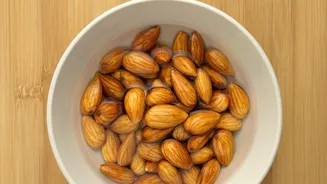
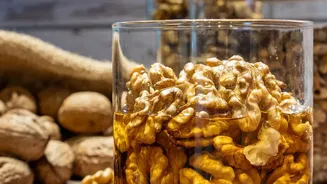
If you want to try soaking for yourself to see if you prefer the texture, the process is straightforward. It is important to start with truly raw, un-roasted nuts, as the enzymes in roasted nuts have already been destroyed by heat. Place your chosen nuts in a glass bowl or jar and cover them completely with filtered water, as they will expand. Many guides suggest adding a pinch of sea salt, but be mindful this will increase the sodium content. The soaking time varies by nut. Harder nuts like almonds need longer (around 8-12 hours), while softer nuts like cashews or pecans only need 2-6 hours. After soaking, it's crucial to discard the cloudy water and rinse the nuts thoroughly. You can use the softened nuts immediately in a recipe, or if you want to make them crispy again, you can dry them in a dehydrator or an oven on its lowest temperature setting (around 150°F or 65°C) for 12-24 hours until they are fully dry and crisp.