







Inspect Your Roof and Terrace
A leaking roof is one of the most common and damaging monsoon problems. Before the rains set in, take a thorough look at your roof or terrace. Check for any visible cracks, loose or missing shingles or tiles, and signs of water pooling. Pay close attention
to water stains on your ceiling, as these are clear indicators of a leak. Sealing small cracks with waterproof mortar or applying a fresh coat of waterproofing can prevent minor issues from turning into major interior damage.
Clear All Drains and Gutters
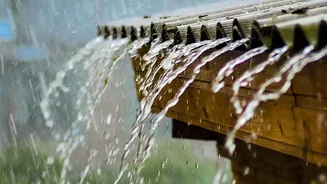
Your drainage system is your home's first line of defence against waterlogging. Clogged gutters, balcony drains, and pipes can cause rainwater to overflow and seep into your home's foundation and walls. Before the first heavy downpour, make sure to clear away leaves, dirt, and any other debris that could cause a blockage. This simple task ensures that rainwater flows away from your house, preventing potential flooding and structural damage.
Check Walls for Cracks
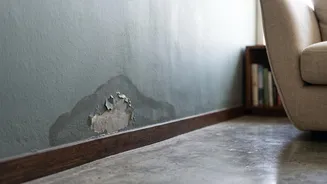
Damp patches and peeling paint are often caused by water seeping through tiny cracks in your exterior walls. Carefully inspect all walls, paying special attention to the areas around window and door frames. Even hairline cracks can allow moisture to penetrate, leading to fungus and mould growth. Use a quality waterproof sealant or filler to close these gaps. For added protection, consider applying a coat of waterproof paint to exterior walls, which acts as a shield against the rain.
Secure Doors and Windows
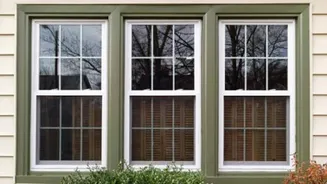
During the monsoon, high humidity can cause wooden doors and windows to swell, making them difficult to shut properly. This not only lets in moisture but also creates security issues. Check for any swollen frames, loose hinges, or damaged weather stripping. Applying a fresh coat of varnish or paint can help seal the wood against moisture. For metal frames, a coat of rust-proof paint can prevent corrosion and ensure they remain watertight.
Examine Your Electrical Systems
Water and electricity are a dangerous combination, making electrical safety a top priority during the monsoon. Before the season starts, get a licensed electrician to inspect your home’s wiring for any frayed cables, loose connections, or exposed wires. Ensure that outdoor electrical units, like air conditioner compressors, are properly covered and that all outdoor sockets are weatherproof. It's also wise to check that your home's earthing is functioning correctly to prevent short circuits and shocks.
Protect Furniture and Wardrobes
The high humidity indoors can damage wooden furniture, upholstery, and clothing. To prevent mould and mildew, try to keep furniture a few inches away from walls, especially external ones, to allow for better air circulation. Placing silica gel packets, camphor balls, or neem leaves inside wardrobes and drawers can help absorb excess moisture and keep your clothes and belongings fresh and dry. Wiping down wooden surfaces with a dry cloth periodically also helps.