




What is a Grandma Garden?
Picture the garden you might remember from your childhood visits to your grandparents' home. It was likely a joyful jumble of flowers, herbs, and maybe a few vegetables, all growing together in happy profusion. That, in essence, is a 'grandma garden.'
It's less a specific design style and more an emotional approach to planting. It prioritises personal joy, abundance, and practicality over strict horticultural rules. These gardens are not about showcasing expensive, rare plants; they are about creating a personal sanctuary with plants that have meaning, are easy to grow, and offer something back, whether it's a fragrant flower for a puja, a sprig of mint for chai, or a tomato for a fresh chutney.
The Philosophy of Abundance
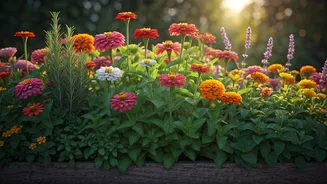
The core philosophy of a grandma garden is generosity. Unlike manicured, formal gardens where every plant has its designated spot, this style embraces a 'more is more' attitude. Plants spill over pathways, self-seeding flowers pop up in unexpected places, and climbers are encouraged to roam freely. The look is dense, lush, and full of life. This isn't about messiness for its own sake; it's about creating a vibrant ecosystem. A classic grandma garden mixes ornamental flowers with practical herbs and edibles. You might find bright marigolds planted next to a sprawling pumpkin vine, or fragrant jasmine climbing a wall near a pot of tulsi. This mix ensures the garden is not only beautiful but also useful, productive, and alive with pollinators like bees and butterflies.
Essential Plants for the Look
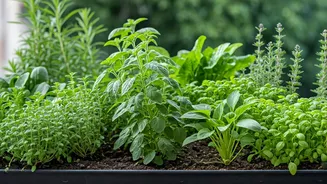
Creating this look is wonderfully forgiving. It’s about choosing hardy, cheerful plants that you love. Start with old-fashioned favourites that thrive in Indian climates. Think vibrant marigolds (genda), zinnias, and cosmos for easy, season-long colour. No grandma garden is complete without roses—especially fragrant, desi varieties. Hibiscus (gurhal) adds a tropical touch and provides flowers for offerings. For fragrance, plant mogra, jasmine (chameli), or night-flowering jasmine (raat ki rani). Don't forget the practical plants! A pot of holy basil (tulsi) is essential, as are curry leaves (kadi patta), mint (pudina), and coriander (dhania). These can be tucked into pots or planted among the flowers, blurring the lines between ornamental and edible.
Embrace Imperfect Charm
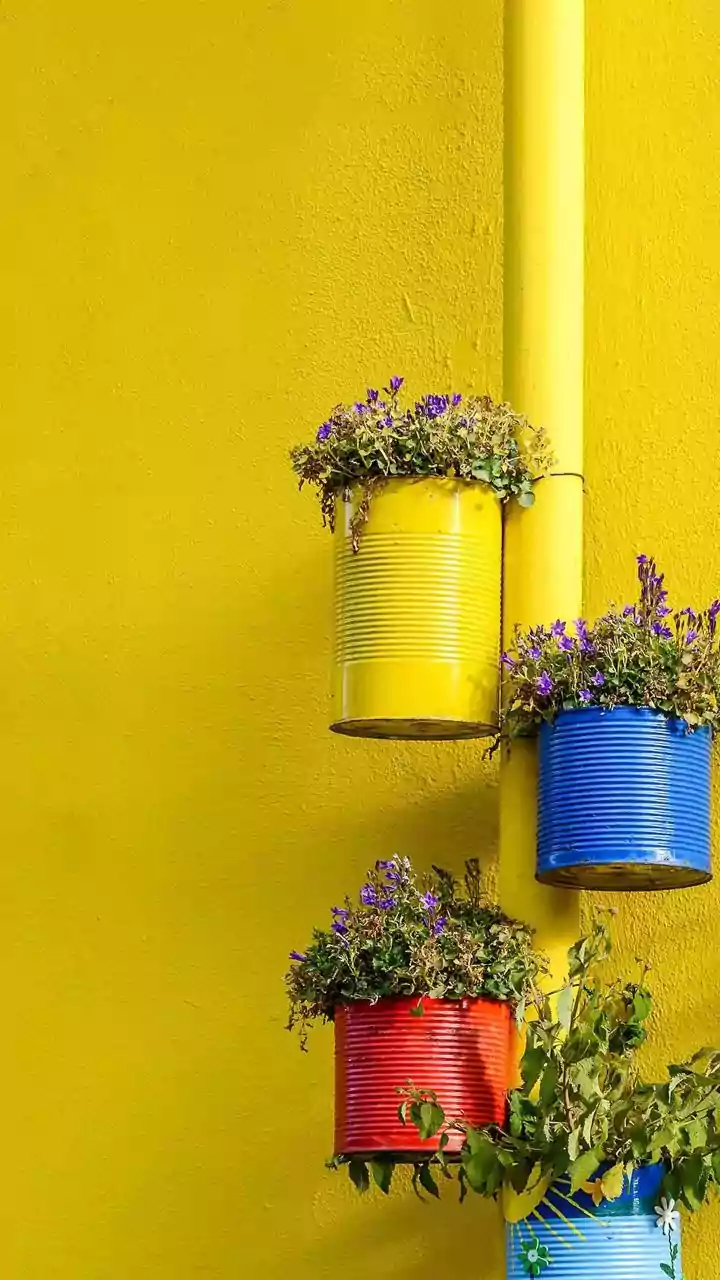
The real magic of a grandma garden lies in its imperfection. It’s a style that celebrates the wabi-sabi of nature—finding beauty in things that are not perfectly symmetrical or new. Let go of the need for control. Allow plants to self-seed and find their own homes. Use recycled or repurposed containers: old paint buckets, chipped terracotta pots, and forgotten tins can all become charming homes for plants. Instead of rigid, straight pathways, let them meander. The goal is to create a space that feels lived-in, personal, and lovingly tended, not professionally designed. It’s a garden that tells a story—your story—through the plants you choose and the way you let them grow.
More Than Just a Hobby
Adopting this gardening style is about more than just aesthetics; it's a way to reconnect with a slower, more mindful way of living. It encourages you to spend time outdoors, observing the small changes in your plants. It provides a direct link to the food you eat and the traditions you hold dear. Tending to these plants can be a meditative practice, a way to de-stress and connect with nature, even on a small balcony. This approach is sustainable, too. By choosing hardy, local plants and allowing for a bit of wildness, you create a resilient garden that requires fewer pesticides and less intensive care, making it kinder to the environment and your wallet.