




From Family Recipes to Trendy Menus
For generations, Kanji and Sol Kadhi were staples in Indian households, known more for their digestive and cooling properties than for being fashionable. Kanji, a fermented carrot drink, was a fixture during Holi in North India, while Sol Kadhi, a coconut
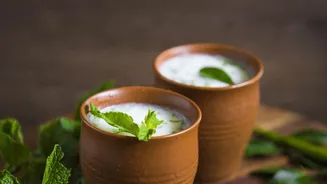
and kokum concoction, was the go-to digestive in coastal Maharashtra and Goa. They were drinks made by grandmothers in large earthen pots, not by baristas. Today, however, they are being rediscovered by a new generation, finding pride of place on the menus of urban cafes that cater to a health-conscious, experience-seeking crowd.
Kanji: The Tangy Probiotic Powerhouse
Kanji is a traditional fermented beverage originating from North India. It's typically made by fermenting black carrots (or sometimes beetroots) in water with salt and ground mustard seeds. The mixture is left in the sun for several days, allowing natural fermentation to occur. This process creates a drink that is tangy, slightly pungent, and packed with probiotics—beneficial bacteria that are great for gut health. Historically, Kanji has been consumed for ages, valued for its ability to aid digestion and boost immunity. The black carrots also lend it a deep purple hue and a dose of antioxidants and Vitamin A.
Sol Kadhi: The Soothing Coastal Cooler
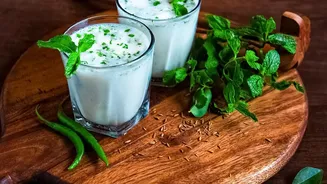
Sol Kadhi hails from the Konkan coast, particularly Goa and Maharashtra. It is a refreshing, light-pink drink made from kokum (a sour fruit from the mangosteen family) and fresh coconut milk. Often seasoned with garlic, green chillies, and salt, it is traditionally consumed at the end of a meal. Its primary purpose is to soothe the digestive system after spicy coastal cuisine. Ayurveda values both coconut and kokum for their cooling properties, making Sol Kadhi an excellent antidote to summer heat and a gentle digestive aid that can help with acidity and bloating.
The Gut Health and Wellness Wave
The resurgence of Kanji and Sol Kadhi isn't accidental. It perfectly aligns with the global wellness trend and the growing obsession with gut health. As consumers become more aware of the connection between a healthy gut microbiome and overall well-being, the demand for natural probiotic sources has skyrocketed. Fermented foods and drinks, once a niche interest, are now mainstream. Both Kanji and Kombucha, a fermented tea, are gaining popularity as people seek alternatives to sugary sodas. These traditional Indian drinks offer the same probiotic benefits as their globally trending counterparts but with a familiar, local flavour profile.
A Modern Twist on Tradition
Cafes and modern restaurants are not just serving these drinks in their traditional form; they are innovating. You might find a Kanji-based mocktail, a Sol Kadhi with a unique tempering, or even these flavours being incorporated into cocktails. This revival is part of a larger movement towards celebrating regional Indian ingredients and culinary heritage. Chefs and restaurateurs are looking inward, rediscovering the wisdom of traditional Indian kitchens and presenting it in a contemporary context that appeals to urban diners. This trend is about more than just health; it's a celebration of authenticity and a return to roots, proving that what's old can be new, exciting, and incredibly cool.