



The Seasonal Hero's Return
For many Indians, the arrival of autumn is marked not just by lower temperatures or festive lights, but by the reappearance of dark, knobbly pyramids stacked high on vendor carts. This is the singhara, or water chestnut. Despite its name, it’s not a nut at all
but an aquatic vegetable that grows in marshes and ponds. Its return is a short-lived, seasonal affair, typically spanning from late September to early winter, making its appearance all the more special. It's a snack that’s deeply woven into the fabric of Indian life—a simple, healthy indulgence enjoyed while strolling through a market or as a post-work treat. Its crisp, white flesh offers a subtly sweet flavour that is both refreshing and satisfying, a perfect counterpoint to the season's changing mood.
A Nutritional Powerhouse
Beyond its satisfying crunch, the singhara is packed with an impressive array of health benefits, making it one of the smartest snacks you can choose. It's incredibly low in calories and fat-free, yet rich in essential nutrients. Water chestnuts are an excellent source of dietary fibre, which aids digestion and promotes a feeling of fullness, helping to manage weight. They are also loaded with potassium, a mineral crucial for regulating blood pressure and maintaining heart health. Furthermore, they provide a good dose of manganese, copper, vitamin B6, and riboflavin. Being composed of about 74% water, they are also wonderfully hydrating. This unique combination of being low-calorie but nutrient-dense makes the singhara a guilt-free snack that genuinely contributes to your well-being.
From Raw Crunch to Versatile Flour
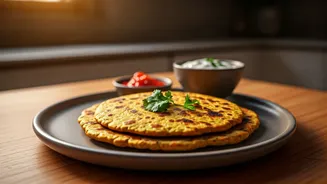
One of the greatest appeals of the singhara is its versatility. The most common way to enjoy it is raw. After a quick wash, the tough outer skin is peeled away to reveal the crisp, milky-white flesh inside. Many vendors will do this for you, serving them with a sprinkle of salt and a dash of lime. Another popular method is boiling or roasting them, which softens the texture slightly and deepens their sweet flavour. But the singhara’s utility extends far beyond a simple snack. When dried and ground, it becomes ‘singhare ka atta’, or water chestnut flour. This gluten-free flour is a staple during fasting periods like Navratri, as it is not made from a grain. It’s used to make everything from fluffy puris and parathas to dense, delicious halwa, providing energy and sustenance during fasts.
Modern Twists on a Timeless Classic
While traditional preparations hold a special place, modern Indian kitchens are finding new and exciting ways to incorporate singhara into daily meals. Its crunchy texture and mild taste make it a fantastic addition to a variety of dishes. Try chopping peeled, raw water chestnuts and tossing them into salads for an unexpected crunch, much like you would use croutons. They can be sliced and added to vegetable stir-fries in the last few minutes of cooking to retain their crispness. You can even make singhara tikkis by mashing boiled water chestnuts with potatoes, spices, and herbs, then pan-frying them until golden. This adaptability ensures that the humble singhara can be enjoyed not just as a seasonal snack, but as a dynamic ingredient in contemporary cooking.
How to Pick and Store Them
To make the most of the short singhara season, it helps to know how to select the best ones. Look for water chestnuts that are firm to the touch and have smooth, unblemished skin. Avoid any that feel soft, have wrinkled skin, or show signs of mould, as they are likely past their prime. Fresh, unpeeled water chestnuts can be stored in the refrigerator for up to two weeks. It's best to keep them in a plastic bag, but don’t seal it completely, as they need some air circulation. Once peeled, they should be stored in water in the fridge and used within a couple of days to maintain their signature crispness. By choosing and storing them correctly, you can savour their unique flavour for as long as the season allows.