




Why Your Cat Needs to Go Vertical
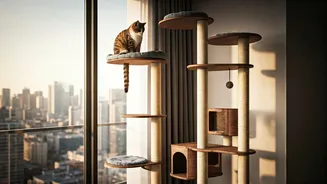
Before you think of cat bridges as just another piece of pet furniture, it's crucial to understand your cat's psychology. Felines are natural climbers and explorers. In the wild, their ancestors sought high vantage points to survey their territory, spot
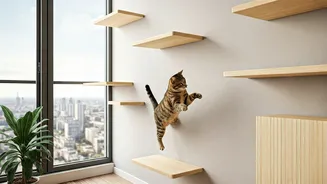
prey, and stay safe from predators. This instinct remains deeply ingrained in our domestic companions. Providing vertical space isn't a luxury; it's a fundamental aspect of feline environmental enrichment. A cat without opportunities to climb can become bored, stressed, or even destructive. In multi-cat households, vertical territory is even more important. It helps establish social hierarchy and provides escape routes, reducing potential conflicts. By giving your cat access to high perches, you are catering to their core needs, leading to a happier, healthier, and more confident pet.
Introducing the Cat Superhighway
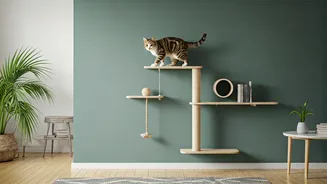
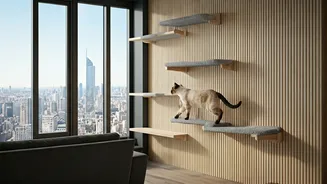
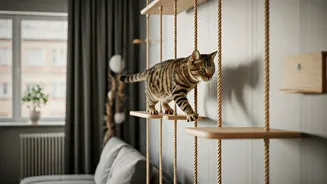
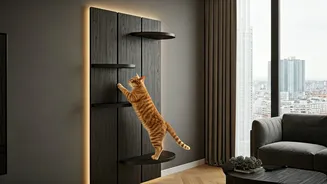
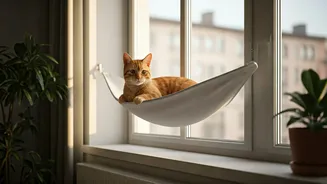
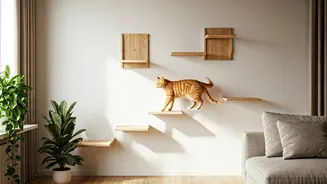
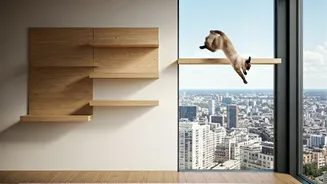
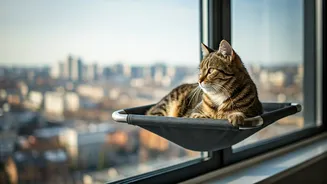
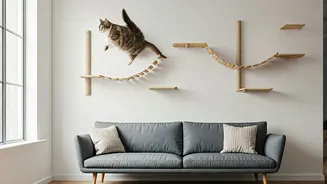
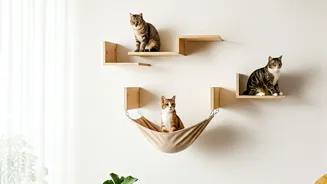
So, what exactly are vertical multi-tiered wall cat bridges? Imagine a playground for your cat, but mounted on your walls. These systems consist of a series of shelves, steps, perches, and connecting bridges that create an elevated pathway. This 'cat superhighway' allows your pet to navigate a room without ever touching the floor. The beauty of these systems is their modularity. You can start with a few simple shelves and gradually expand, creating a custom-designed network that fits your space and your cat's agility. From simple floating perches to elaborate rope bridges and cozy hammocks, the options are vast. They transform unused wall space into a dynamic, three-dimensional environment, effectively increasing your cat's living area without sacrificing your own.
Planning Your Vertical Layout
A successful cat bridge system requires thoughtful planning. Don't just start drilling holes in the wall. First, observe your cat. Where do they like to hang out? Do they enjoy looking out a particular window? Try to integrate these favourite spots into your design. Sketch out a potential path on paper. The key is to create a 'flow' that encourages movement. Ensure the distance between shelves is manageable for your cat's age and athletic ability—a young, spry cat can handle larger gaps than a senior feline. Think about entry and exit points. A good highway should have multiple ways up and down. Consider placing a starting shelf near a sturdy piece of furniture like a bookshelf or sofa to give your cat an easy starting point. The goal is to create a route that is both challenging and safe, encouraging exploration.
Choosing Safe and Stylish Materials
The safety and durability of your cat bridge are non-negotiable. Look for products made from solid wood, like pine or birch plywood, rather than flimsy particleboard. The surfaces should provide good grip. Many shelves come with carpet or sisal fabric coverings, which are perfect for scratching and preventing slips. If you're building your own, ensure all materials are non-toxic. When it comes to aesthetics, modern cat furniture has evolved far beyond clunky, carpeted towers. Many wall systems feature minimalist designs and natural wood finishes that can complement contemporary Indian home decor. You can choose finishes that match your existing furniture, turning your cat’s playground into a stylish design element. Always check the weight capacity of each component and ensure it can comfortably support your cat, especially if you have a larger breed.
Installation: The Most Critical Step
Even the best-made cat shelf is dangerous if not installed correctly. Your walls will be bearing the full weight of the structure plus a potentially leaping cat, so secure mounting is paramount. Always locate the wall studs (the solid wooden beams behind the plasterboard) and anchor your shelves directly into them whenever possible. Using only drywall anchors for heavy-use items is a recipe for disaster. If you're unsure how to find studs, a simple electronic stud finder is an invaluable tool. Use the hardware recommended by the manufacturer, and double-check that every screw is tight. Once installed, test the stability of each piece by pressing down on it firmly. A well-installed system should feel completely solid, with no wobble or give. Your cat's safety depends entirely on the quality of your installation work.