
The New Reign of Comfort
The collective experience of the last few years has fundamentally changed our relationship with clothing. After spending extended periods prioritising ease, shoppers are no longer willing to sacrifice it for special occasions. This has sparked a comfort-led
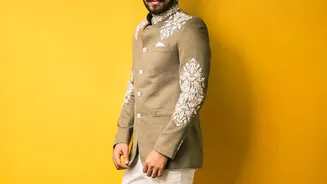
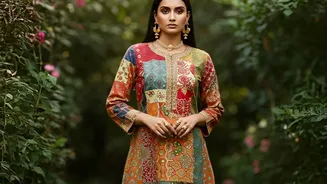
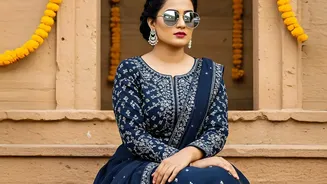
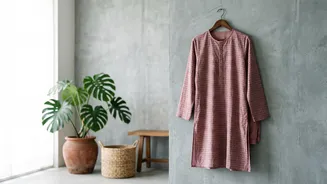
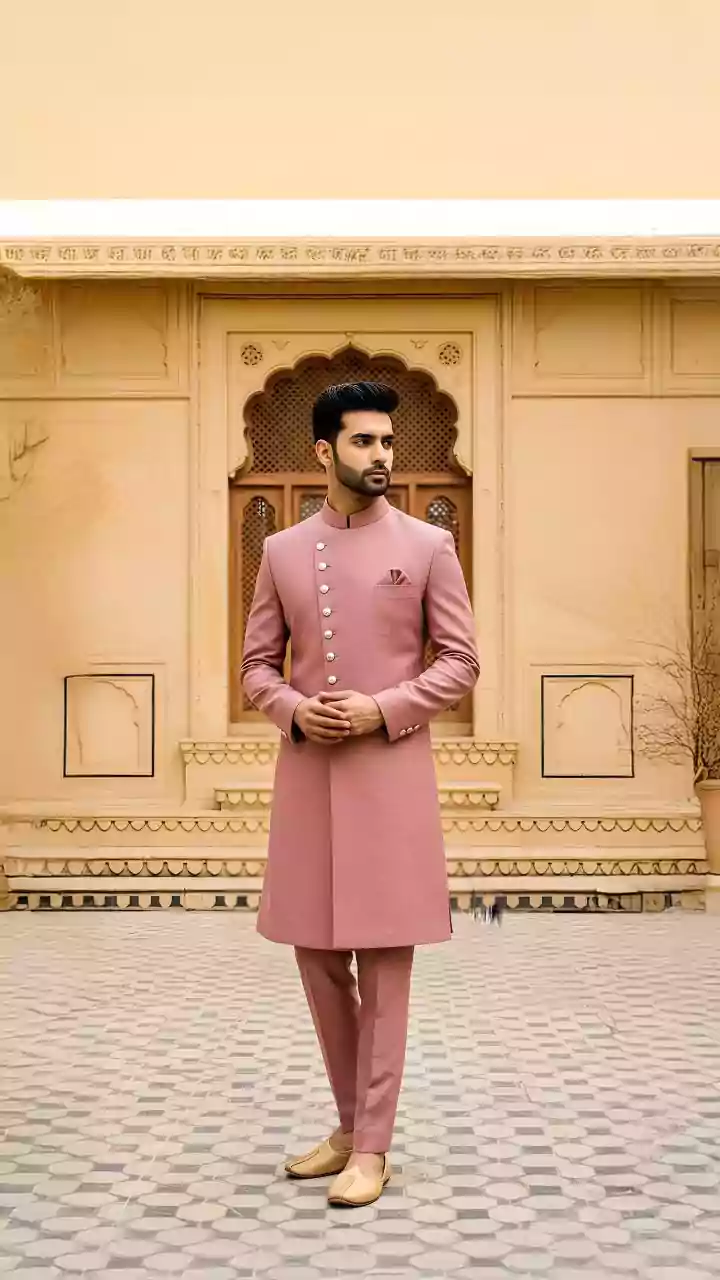
revolution in Indian festive wear. Heavy, impractical outfits are being replaced by pieces that allow for movement and breathability. Designers are turning to lightweight, natural fabrics like cotton, linen, Chanderi, and organza, which feel as good as they look. The result is a festive wardrobe that works for real-life celebrations. Think floaty kaftan kurtas, versatile co-ord sets, and relaxed-fit Anarkalis that are easy to wear for long hours of socialising and dancing. This shift isn't about dressing down; it's about a new form of luxury where feeling good is the main priority.
A Return to Artisanal Roots
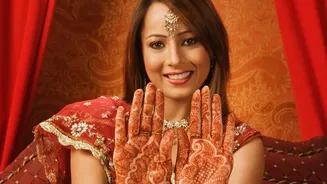
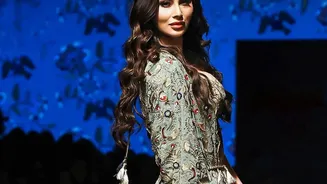
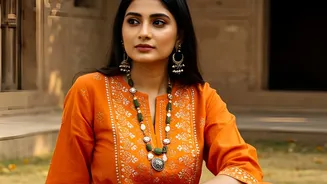
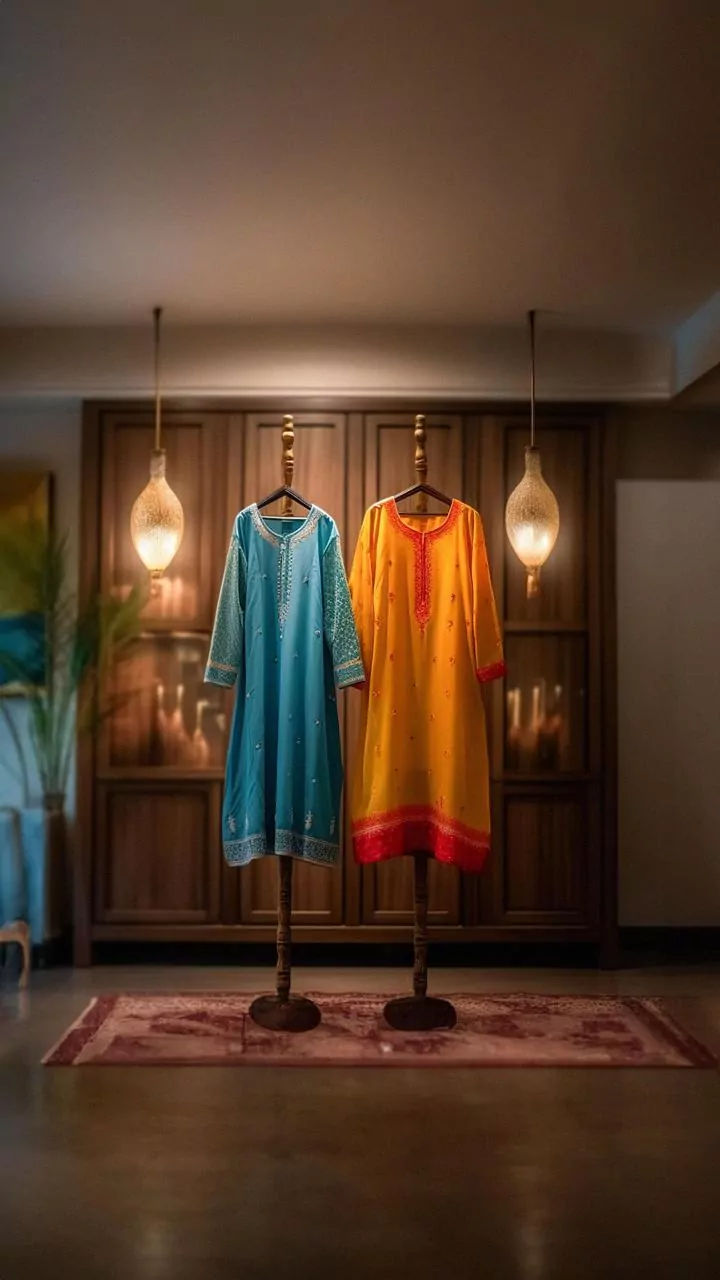
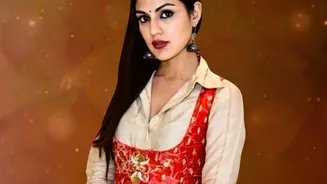
Alongside the quest for comfort is a renewed and deepened appreciation for Indian craftsmanship. There's a growing movement towards 'slow fashion'—valuing quality, longevity, and the story behind a garment. Shoppers are increasingly seeking out handmade details that make a piece unique, celebrating the visible hand of the maker. This has put a spotlight on heritage techniques. Traditional crafts like Chikankari, Kantha, Bandhani, and block printing are being used in contemporary ways, adding texture and soul to modern silhouettes. Instead of overwhelming embellishment, the focus is on refined, thoughtful details—subtle embroidery on a neckline or a hand-printed motif on a hem. This turn towards craft is also a conscious choice, supporting artisan communities and preserving generational skills in a post-pandemic world that has highlighted the importance of local talent.
Redefining the Festive Silhouette
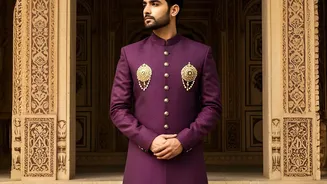
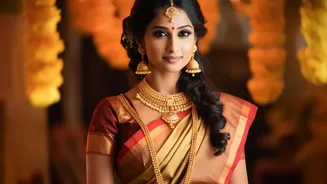
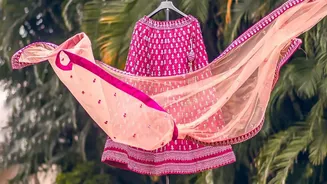
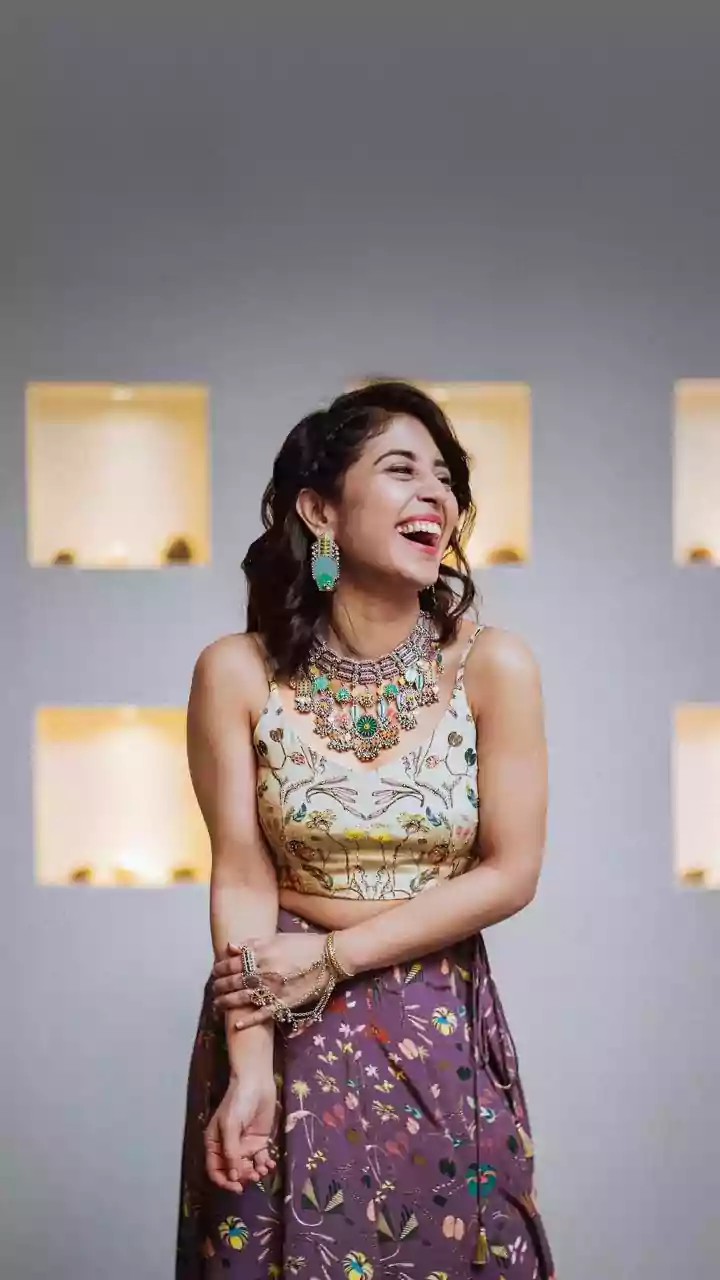
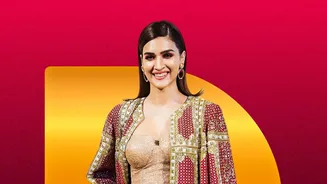
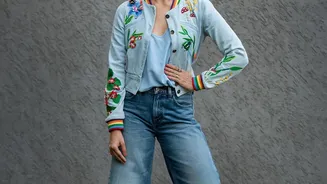
The final piece of the puzzle is the evolution of proportions. The silhouette of modern Indian festive wear is becoming more fluid, experimental, and global. While traditional cuts remain beloved, they now sit alongside contemporary interpretations that offer a fresh perspective. Fusion is no longer an exception but the default mode for many, especially younger dressers. This translates to innovative pairings and new shapes. We're seeing crop tops paired with shararas, jacket-style layers replacing dupattas, and pre-draped sarees that offer the elegance of the classic drape without the complexity. Asymmetrical hemlines, fish-cut lehengas, and cape-style overlays provide a dramatic yet modern edge. This experimentation balances Indian aesthetics with an international design language, creating outfits that feel both rooted and relevant in today's world.