


The Breakfast Battleground
For years, the morning routine in many city homes has been a race against time. The convenience of packaged breakfast cereals—quick, easy, and marketed as healthy—made them a go-to choice. However, a growing awareness around nutrition is causing a shift.
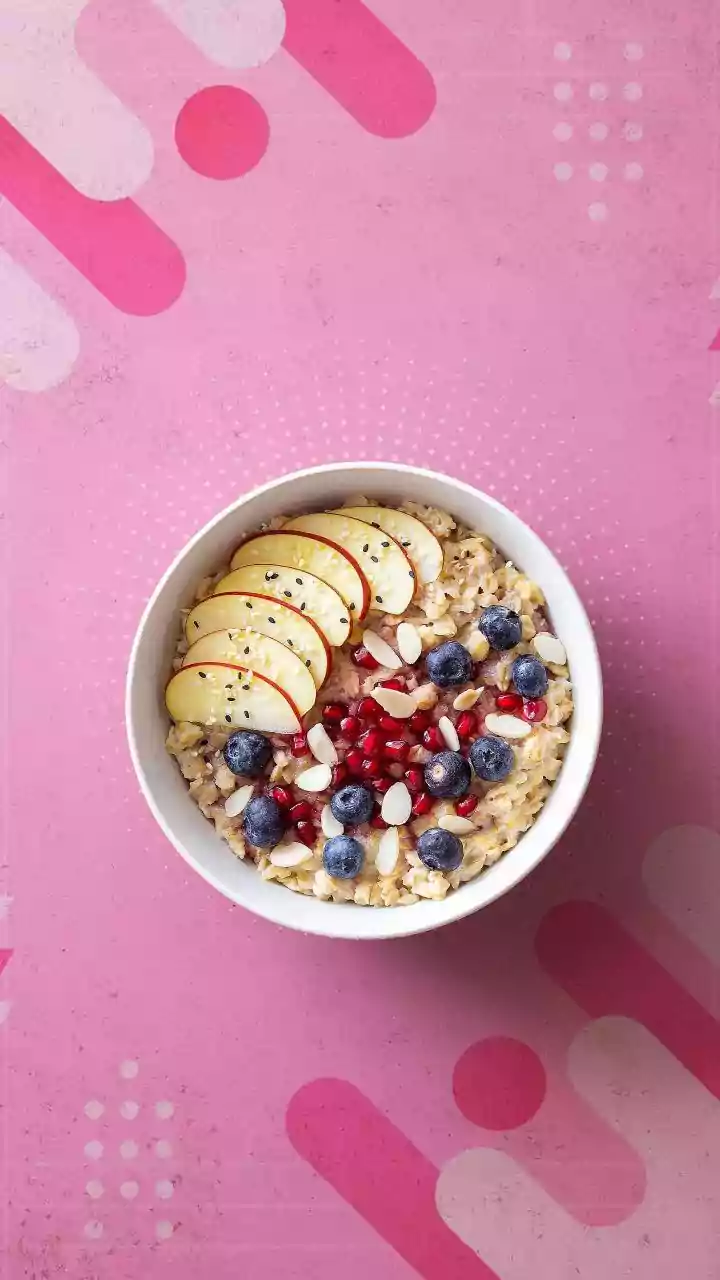
Many of these cereals are laden with hidden sugars and highly processed carbohydrates, offering a momentary energy spike followed by a slump. This has led to a search for healthier alternatives that don't compromise on convenience, turning the focus back towards India's own culinary heritage.
The Mighty Millet Makes a Comeback
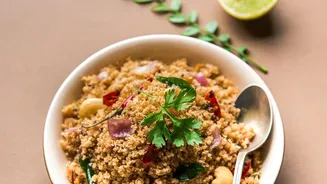
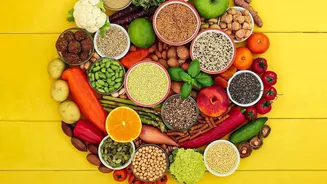
Enter the humble millet. Grains like ragi (finger millet), jowar (sorghum), and bajra (pearl millet) were once staples across India before the Green Revolution prioritized wheat and rice. After decades of being sidelined, millets are experiencing a major resurgence, championed for their incredible nutritional profile and climate resilience. Initiatives like the UN's declaration of 2023 as the International Year of Millets have significantly boosted awareness, recasting these ancient grains from 'poor man's food' to modern 'superfoods'. Urban consumers are now rediscovering these grains, not as a coarse substitute, but as a premium, healthy choice.
Nutrition on a Plate
The nutritional gap between a bowl of millet idlis and a bowl of sugary cornflakes is vast. Millets are powerhouses of nutrition—they are naturally gluten-free, rich in dietary fibre, protein, and essential minerals like iron and magnesium. This high fibre content ensures a slow release of energy, keeping you full and energised for longer, and helps in regulating blood sugar levels, making them an excellent choice for everyone, including those with diabetes. In stark contrast, many processed cereals undergo refining that strips them of fibre and nutrients, leaving behind simple carbs that can contribute to lifestyle diseases when consumed regularly.
Old Recipes, New Convenience
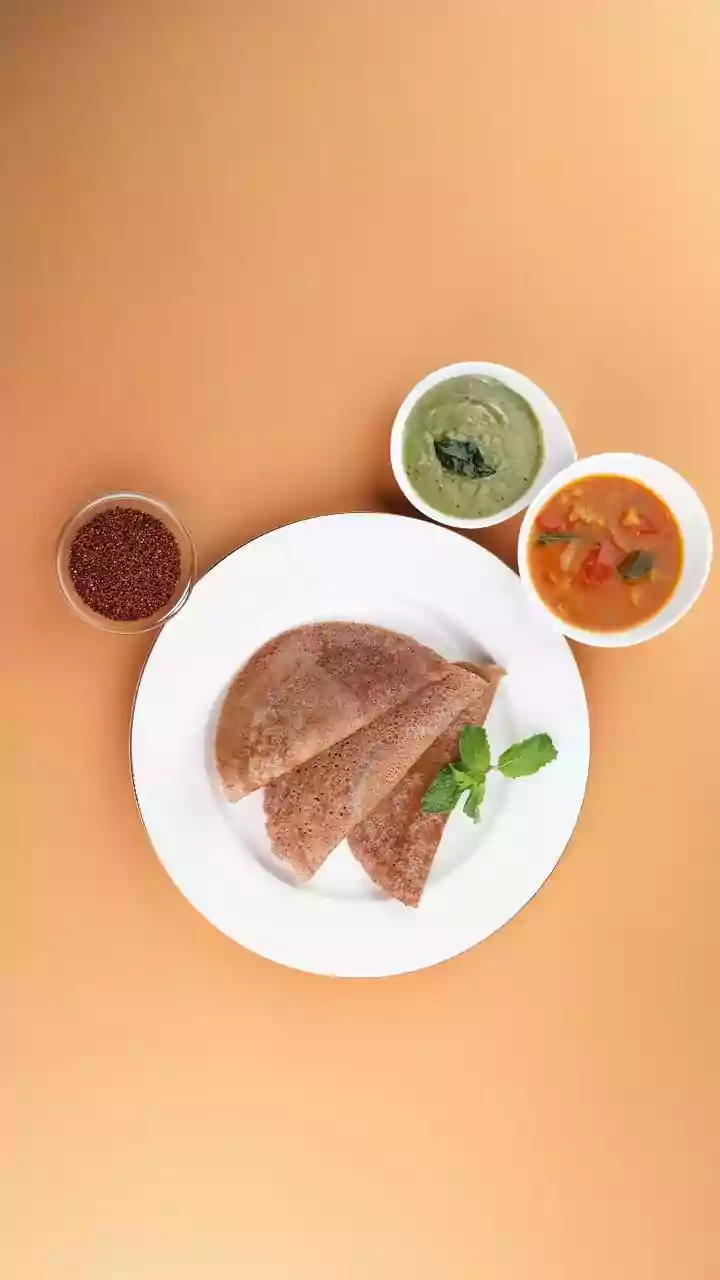
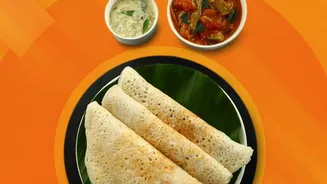
The key to this breakfast switch is familiarity and ease. Instead of asking people to adopt entirely new eating habits, millets are being seamlessly integrated into beloved traditional dishes. Soft, fluffy idlis and crisp, lacy appams are no longer just made from rice. Today, you can easily find ready-to-cook batters made from ragi, foxtail millet, and kodo millet. These batters offer the same convenience as pouring a bowl of cereal—simply steam or pan-cook for a few minutes—but deliver far superior nutrition. This fusion of traditional recipes with modern convenience is making it easier than ever for busy urban families to make a healthy choice without sacrificing time.
More Than Just a Health Trend
This shift is about more than just counting calories; it's a cultural reconnection. For many, choosing a millet-based breakfast is a nod to ancestral wisdom and sustainable living. It represents a move away from industrially produced foods towards meals that are wholesome and grounded in Indian culinary traditions. As people become more mindful about their food choices, they are realising that the answer to healthy eating doesn't always lie in a fancy imported product, but often in the grains that have nourished generations right here at home. This trend signals a return to roots, proving that traditional foods have a firm place in the modern Indian kitchen.