


More Than Just Leaves
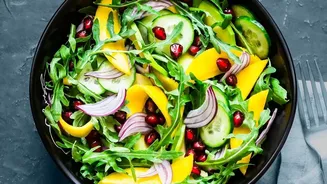
Adopting a daily salad ritual is one of the simplest ways to increase your intake of essential nutrients and fibre. Raw vegetables and leafy greens are loaded with fibre, which is crucial for maintaining a healthy digestive system. This fibre helps regulate
bowel movements, prevent constipation, and feeds the beneficial bacteria in your gut, making nutrient absorption more efficient. A colourful salad isn't just visually appealing; it's a depot of vitamins A, C, and K, minerals, and antioxidants that bolster your immune system and contribute to overall health. This habit is also linked to better weight management, as the high fibre and water content can help you feel full for longer on fewer calories.
Cucumber: The Hydration Hero
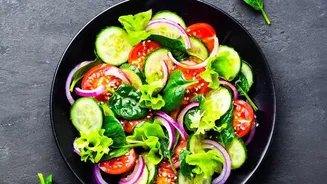
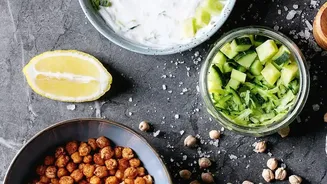
Often underestimated, the humble cucumber is a powerhouse for gut health. Composed of about 96% water, it's an excellent food for promoting hydration, which is essential for helping your body break down food and absorb nutrients effectively. Beyond water, cucumbers provide both soluble and insoluble fibre. The pectin, a type of soluble fibre found in cucumbers, can help increase the frequency of bowel movements and feeds beneficial gut bacteria. To get the maximum benefit, it's best to eat them unpeeled, as the skin contains most of the fibre and other valuable nutrients. Their low-calorie and low-fermentable carbohydrate profile makes them exceptionally gentle on the digestive system.
Beetroot: The Unbeatable Root
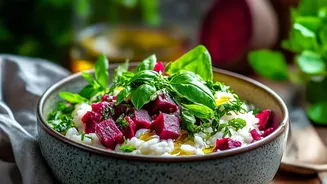
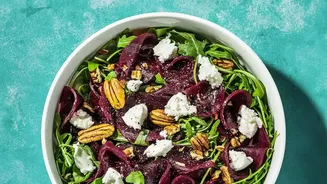
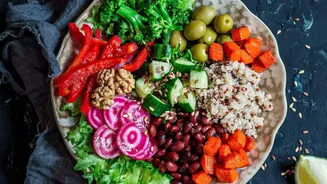
This vibrant root vegetable offers a unique combination of benefits for your digestive tract. Beetroot is a rich source of dietary fibre, which adds bulk to stools and can help prevent common issues like constipation and bloating. More importantly, this fibre acts as a prebiotic, serving as fuel for the healthy bacteria in your gut, such as lactobacilli and bifidobacteria. A flourishing gut microbiome is fundamental for efficient digestion and a strong immune system. Beetroots also contain pigments called betalains, which have anti-inflammatory properties and may help protect the delicate lining of the gut. These compounds, along with naturally occurring nitrates, support overall gut health and function.
Sprouts: Tiny Nutritional Powerhouses
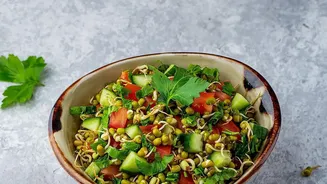
Don't let their small size fool you; sprouts are incredibly nutrient-dense. The process of germination activates enzymes that help break down complex carbohydrates and proteins, making them easier for your body to digest. This process also increases the fibre content, which supports regular bowel movements and nourishes your gut microbiome. The fibre in sprouts acts as a prebiotic, feeding good gut bacteria and leading to the production of short-chain fatty acids that are vital for a healthy gut barrier. Furthermore, sprouts, especially broccoli sprouts, are a valuable source of antioxidants like sulforaphane, which can help manage inflammation in the gut lining.
A Gut-Boosting Symphony
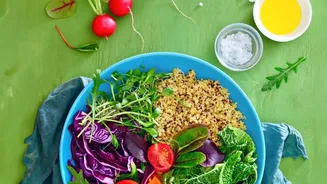
When combined in a salad bowl, cucumber, beetroot, and sprouts create a powerful synergy for your gut. The high water content from cucumber aids the digestive process and helps the fibre from beetroot and sprouts move smoothly through your system. The prebiotic fibres from both beetroot and sprouts work together to cultivate a diverse and thriving community of beneficial bacteria. This combination not only ensures you get a wide array of vitamins and minerals but also promotes a healthy inflammatory response and supports the integrity of your gut lining. The result is improved digestion, enhanced nutrient absorption, and a stronger, more resilient gut.