




The Kitchen You Can't Visit
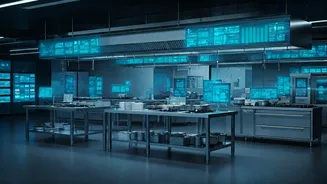
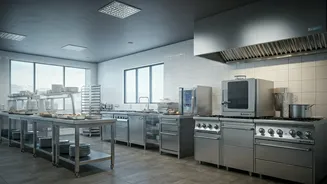
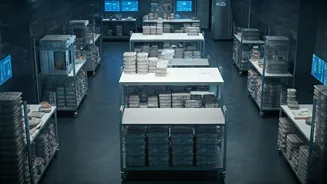
First, let's clarify what a cloud kitchen is. Often called ghost kitchens or virtual restaurants, these are food production facilities built exclusively for delivery orders. [8] Stripping away the dine-in component—no expensive high-street rent, no front-of-house
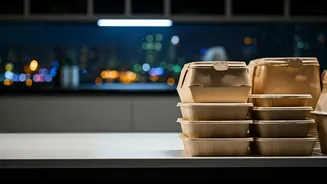
staff, no interior design costs—allows them to operate on a leaner, more cost-effective model. [17, 8] This asset-light approach significantly lowers the barrier to entry for new culinary entrepreneurs, allowing them to launch with an initial investment of ₹5-15 lakh, compared to the ₹15-50 lakh or more required for a traditional restaurant. [17, 20] The entire business is geared towards efficiency, from a small kitchen footprint in an industrial or residential area to a focus on packaging and rapid dispatch through delivery partners. [5, 17]
Why This Model Is Winning in Metros
The success of cloud kitchens is powered by the convergence of several trends, especially potent in India's urban centres. Busy urban lifestyles, rising disposable incomes, and the deep penetration of smartphones have created a massive demand for convenience. [6, 4] Cloud kitchens are purpose-built for this reality. Their lower operational costs, which can be 30-40% less than traditional formats, give them a crucial economic edge. [16] A key strategy driving their growth is the 'multi-brand' approach. [4, 10] From a single kitchen, operators can launch several virtual brands catering to different cuisines—think biryani, pizza, and healthy bowls all prepared under one roof. [4, 10] This maximises kitchen utilisation throughout the day and spreads fixed costs across multiple revenue streams, something a single-cuisine restaurant cannot easily do. [10]
The Data Driving the Narrative
The Indian cloud kitchen market is on a steep growth trajectory. Valued at over $1.24 billion in 2025, it is projected to grow at a compound annual growth rate (CAGR) of over 12% to reach nearly $3.7 billion by 2034. [6] This growth is a core part of the expansion of India's overall online food delivery market, which is expected to swell from around $9 billion in 2024 to $27 billion by 2030. [18, 19] Reports indicate that the organised food services segment, led by chains and delivery-first formats like cloud kitchens, is rapidly increasing its market share. [18, 19] Furthermore, many new cloud kitchens are leveraging technology like AI to predict demand based on everything from festivals to weather, optimising stock and minimising waste. [4] This data-driven approach allows them to be far more agile than traditional establishments.
Meet the New Challengers
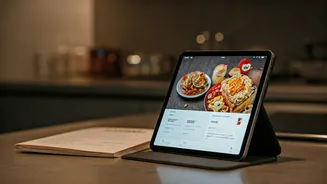
The landscape is buzzing with innovative players. While large incumbents like Rebel Foods (operating brands like Faasos and Behrouz Biryani) and Curefoods (with brands like EatFit and CakeZone) have established a major foothold, the model's low entry cost fosters a continuous wave of new entrepreneurs. [7] Some operators are even bypassing the high commissions of major aggregators by building their brands directly through social media platforms like Instagram and taking orders via WhatsApp. [24] This direct-to-consumer approach helps build a loyal community and improves profit margins. [24] Meanwhile, the government's Open Network for Digital Commerce (ONDC) is also emerging as a viable alternative, helping kitchens reduce their dependency on Zomato and Swiggy and gain more control over their business. [4, 6]
Not a Guaranteed Feast
Despite the favourable tailwinds, the path to success is fraught with challenges. The same low entry barriers that make the model attractive have also led to intense market saturation in some metro areas. [3] A major structural weakness is the heavy dependency on food delivery aggregators, who control customer discovery and charge high commission fees that erode already thin margins. [3, 10] This intense competition and pressure on unit economics contribute to a high attrition rate, with some reports suggesting 25-30% of cloud kitchens close within their first year. [3] Building a memorable brand without a physical presence is another significant hurdle, as customers often have little to go on besides a name and a menu on an app. [8, 9]