




1. Coorg, Karnataka: The Scotland of India
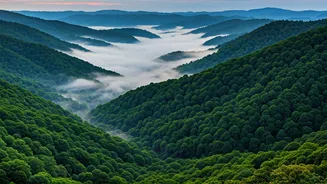
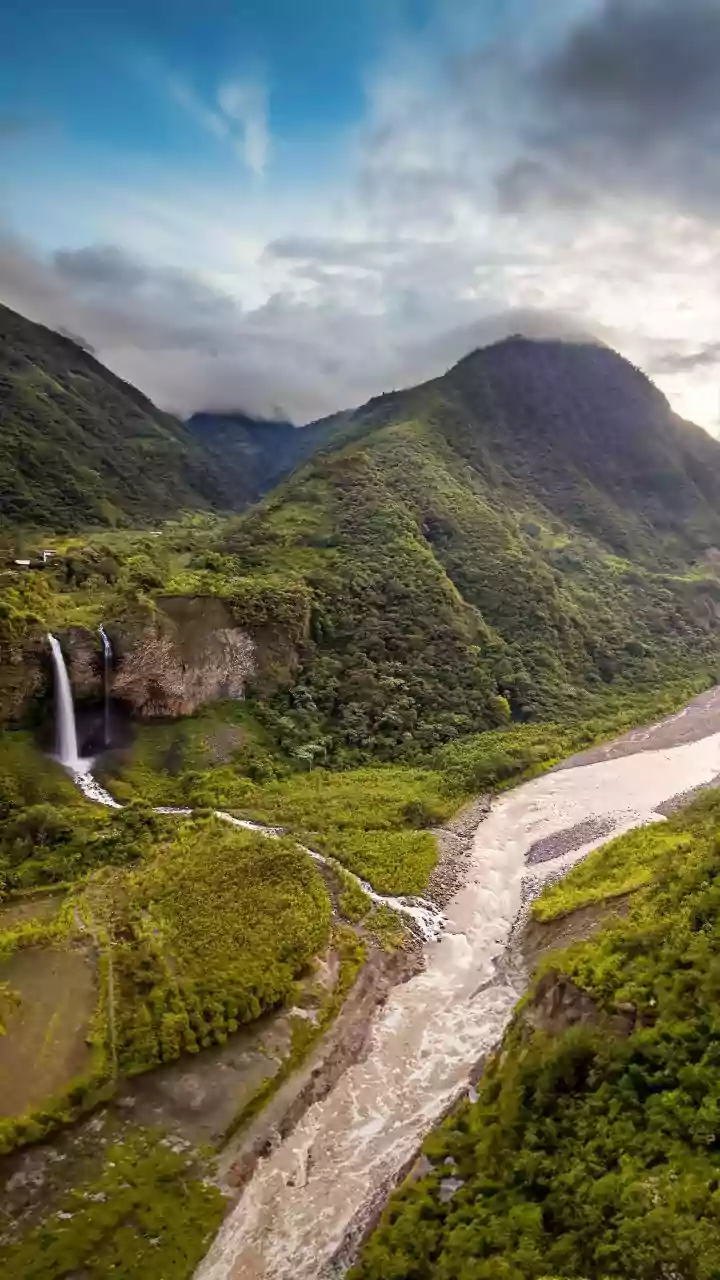
While Lonavala offers charming hills, Coorg delivers an entire ecosystem drenched in emerald green. During the monsoon, this region in Karnataka transforms into a misty paradise. The air is thick with the scent of wet earth and blossoming coffee plants.
Waterfalls like Abbey and Iruppu, which are mere trickles in the dry season, become thunderous cascades of white water. Unlike the weekend traffic jams common in Lonavala, Coorg’s winding roads take you through dense forests and sprawling coffee estates, making the journey itself part of the experience. It’s a place to embrace the rain, not just watch it from a car window. Find a homestay nestled in a plantation, sip on locally grown coffee, and listen to the rhythm of the downpour.
2. Munnar, Kerala: A Sea of Green Tea Gardens
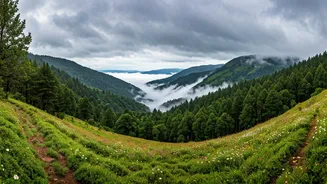
Imagine hills blanketed not just in random greenery, but in perfectly manicured tea gardens that look like a rolling green carpet. That’s Munnar in the monsoon. The rain washes the tea leaves, leaving them a vibrant, almost glowing shade of green. Low-hanging clouds drift through the valleys, often obscuring and then dramatically revealing the stunning landscape. While Lonavala has its viewpoints, Munnar’s vistas, like Top Station, offer a sense of scale and majesty that is hard to match. The weather is cool and pleasant, ideal for long walks through the estates or visiting the Eravikulam National Park, home to the endangered Nilgiri Tahr. The crowds are thinner, allowing for a more peaceful connection with nature.
3. Wayanad, Kerala: Where Nature and History Meet
Wayanad is another gem in Kerala’s crown, offering a wilder, more untamed monsoon experience. It’s a land of paddy fields, dense forests, and dramatic peaks. The monsoon feeds its many waterfalls, including the spectacular three-tiered Meenmutty Falls and the picturesque Soochipara Falls. But what sets Wayanad apart is its blend of natural beauty and ancient history. You can trek to the Edakkal Caves to see prehistoric petroglyphs, a stark contrast to the fleeting commercial attractions elsewhere. The Banasura Sagar Dam, the largest earthen dam in India, becomes a massive, beautiful lake surrounded by rain-fed hills. It offers a more rustic and adventurous alternative to a typical hill station visit.
4. Cherrapunji, Meghalaya: The Land of Living Root Bridges
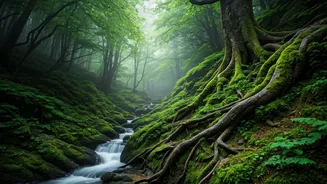
Why settle for a view of the rain when you can visit one of the wettest places on Earth? Cherrapunji (and nearby Mawsynram) is not just a destination; it’s an event. The monsoon here is a force of nature that creates a landscape of unparalleled drama. The plains of Bangladesh are visible from its cliffs, and countless waterfalls, like the Nohkalikai Falls, plunge into deep green gorges. But the true marvel is the man-made-by-nature creations: the living root bridges. Forged by the Khasi tribes over generations from the roots of rubber trees, these bridges are strongest during the monsoon. Crossing one of these swaying, leafy structures is an unforgettable experience that makes a simple drive to a viewpoint feel utterly ordinary.
5. Kodaikanal, Tamil Nadu: The Princess of Hill Stations
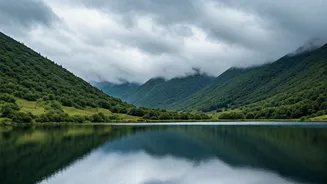
Often called the “Princess of Hill Stations,” Kodaikanal has a quiet, old-world charm that shines during the monsoon. While Lonavala buzzes with activity, Kodaikanal invites you to slow down. The central Kodai Lake is often shrouded in mist, perfect for a peaceful boat ride or a stroll along Coaker's Walk, a paved pedestrian path with breathtaking valley views. The rains bring the region’s flora to life, especially the enchanting ‘Kurinji’ flower, which blooms once every 12 years. Even if you miss the bloom, the forests around Pillar Rocks and Bear Shola Falls are lush and inviting. It’s the perfect destination for travelers seeking solitude and romance over ruckus.