





The Price Hike in Detail
Tata Motors announced on Friday, August 21, that it will implement a price increase of up to ₹25,000 across its passenger vehicle portfolio. This change will take effect from the first of September 2026. The company has clarified that this is not a flat
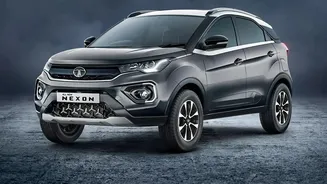
increase; the exact amount will vary depending on the specific model and variant. The hike will apply to the company's entire range, including its popular internal combustion engine (ICE) cars like the Nexon, Punch, and Harrier, as well as its growing lineup of electric vehicles (EVs). This marks the third time Tata Motors has adjusted its prices in 2026, following smaller hikes in April and July.
Why Are Car Prices Rising Again?
The primary reason cited by Tata Motors is the need to "partially offset the impact of rising input costs and sustained inflationary pressures." This is a common refrain in the auto industry, but what does it actually mean? 'Input costs' refer to the price of raw materials essential for manufacturing a car. This includes steel, aluminium, copper, and precious metals like palladium and rhodium used in catalytic converters. Over the past year, global supply chain disruptions, geopolitical tensions, and general inflation have kept these commodity prices high. While automakers try to absorb these extra costs to remain competitive, they eventually have to pass a portion of the burden onto the consumer to protect their margins. Tata Motors stated that it continues to absorb a significant part of the cost increases.
Not Just Tata: An Industry-Wide Trend
Tata Motors is not acting in isolation. This price adjustment is part of a broader trend across the Indian automotive market. Just a few days ago, Hyundai Motor India announced its own price increase of up to 1% effective from September. Maruti Suzuki, the country's largest carmaker, also raised prices by up to ₹30,000 in August. This pattern of multiple, smaller price hikes throughout the year is becoming the new normal, replacing the traditional single price adjustment at the start of the calendar year. This strategy allows manufacturers to react more dynamically to the volatile cost environment without shocking the market with a single, massive increase.
Which Models Will Be Affected?
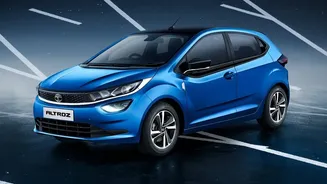
The price hike will be implemented across Tata's entire passenger vehicle range. This includes hatchbacks like the Tiago and Altroz; micro-SUV Punch; compact SUV Nexon; and larger SUVs like the Harrier, Safari, Sierra, and Curvv. The electric versions of these models, such as the popular Nexon EV and Tiago EV, are also part of this price revision. The company has not yet released a detailed, variant-wise list of the new prices. However, the "up to ₹25,000" figure suggests that higher-end models and top-spec variants will likely see a larger price increase compared to entry-level models, as the company works to maintain the overall value proposition of each vehicle.
What This Means for Potential Car Buyers
For anyone seriously considering the purchase of a new Tata vehicle, the announcement creates a clear deadline. Finalizing a purchase before September 1 could save you a significant amount of money, potentially up to ₹25,000 depending on the model. This is especially relevant as the hike comes just ahead of the festive season, a period when many customers make big-ticket purchases. If you are in the market for a new car from any brand, it is wise to factor in these incremental price increases. The trend suggests that waiting is unlikely to result in lower prices in the near future, as persistent cost pressures continue to affect all major automakers in the country.