
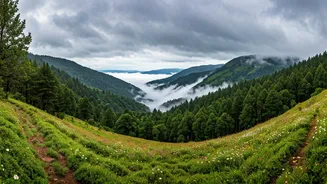


From Off-Season to 'Green Season'
For years, the rainy season was treated as the travel industry’s lean period, a time for deep discounts to lure reluctant tourists. That mindset is fading. Today’s traveller isn't just looking for a cheaper room; they are actively seeking the unique atmosphere
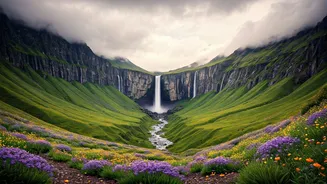
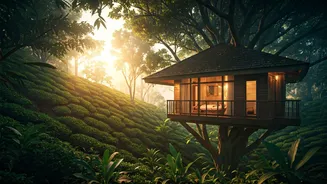
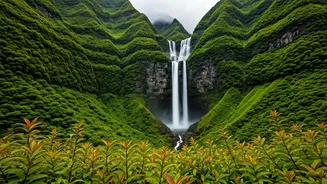
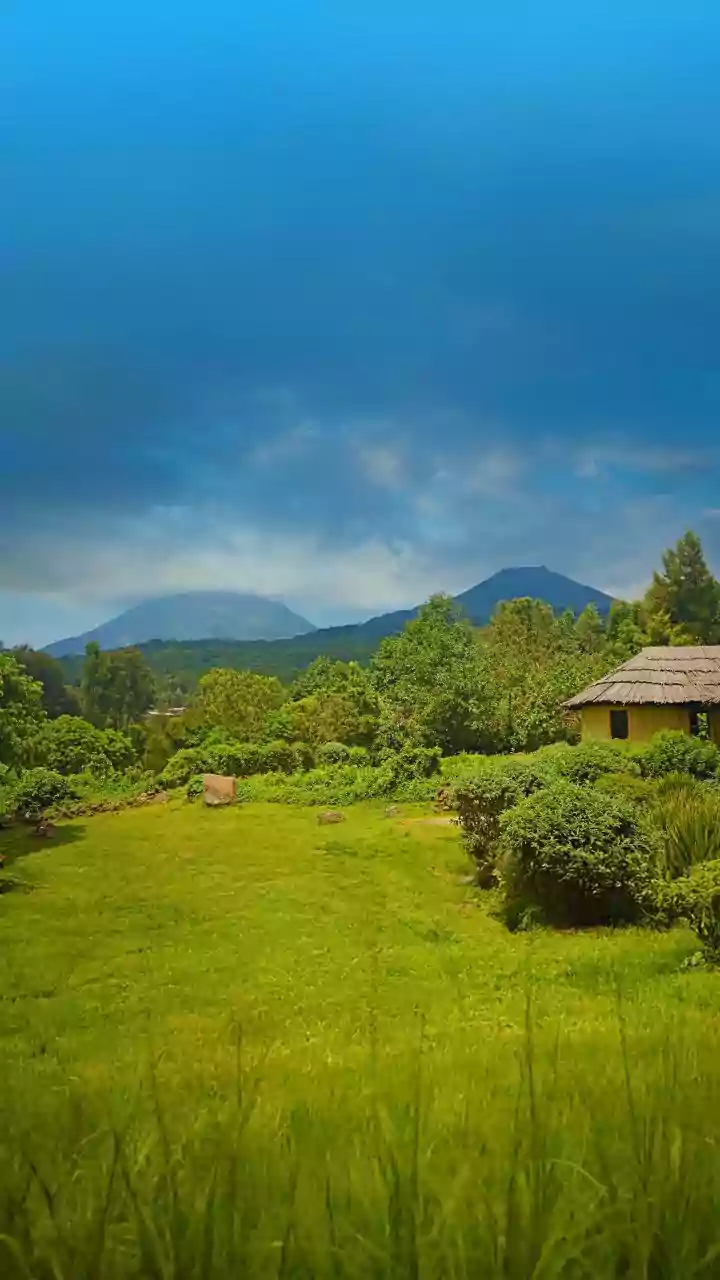
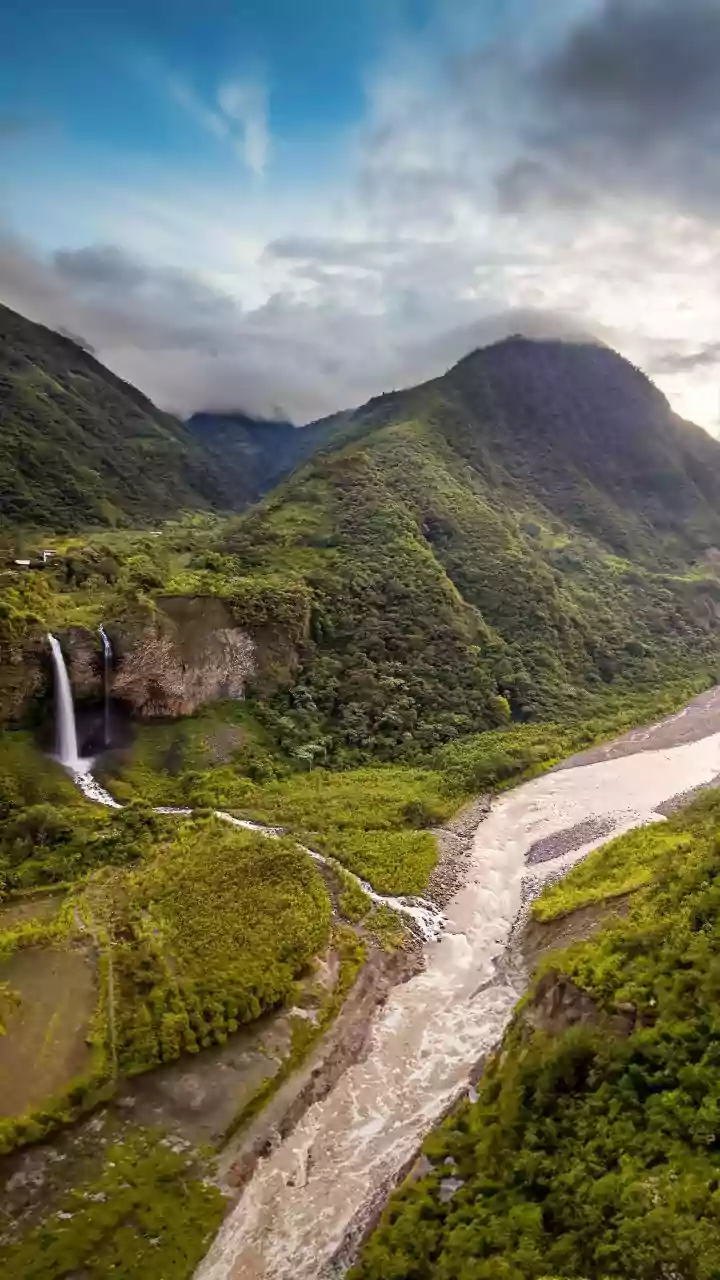
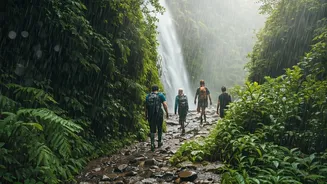
the monsoon creates. The lush greenery, misty landscapes, and cooler temperatures are now the main attraction, not a compromise. Travel platforms report a significant uptick in searches for destinations known for their monsoon beauty. This shift has rebranded the period from an 'off-season' to a 'green season,' a desirable travel window in its own right. People are choosing to travel not despite the rain, but because of it, looking for experiences like watching the downpour from a cosy cottage in the hills or seeing waterfalls at their most powerful.
The Rise of the 'Workation'
The single biggest driver of this change is the normalisation of remote work. The flexibility to work from anywhere has untethered professionals from their city desks, and many are seizing the opportunity for a change of scenery. A rainy-season 'workation' has become a popular choice. It allows for longer stays—often a week or more—without eating into precious leave days. Travellers look for properties with reliable Wi-Fi, comfortable workspaces, and a great view. This trend is a win-win: travellers escape the urban grind, and hoteliers in traditionally seasonal locations get consistent business during a formerly quiet period. Destinations in the hills like Mussoorie and Shimla, or coastal areas in Goa and Kerala, are seeing a surge in long-stay bookings from professionals blending spreadsheets with stunning landscapes.
Micro-Trips and Drivable Destinations
Alongside longer workations, the short weekend getaway is booming. Demand data shows a clear preference for destinations within a 3- to 5-hour drive from major metro cities. These 'micro-trips' are often spontaneous, planned just a few days in advance. The appeal is simple: they require minimal planning, are budget-friendly, and offer a quick-fix escape from routine. For people in Mumbai, this means trips to Lonavala, Malshej Ghat, or Igatpuri. For Delhiites, it's the nearby hills of Uttarakhand and Himachal. This trend has also boosted the popularity of homestays, boutique hotels, and villas, which offer more privacy and a local feel compared to large, crowded resorts. Travellers are packing their bags on a Friday and hitting the road, proving that a refreshing break doesn't always require a flight.
A Shift Towards Wellness and Slow Travel
The new monsoon traveller is less interested in a frantic, sight-seeing-packed itinerary. The focus has shifted towards 'slow travel' and wellness. The goal is to relax, rejuvenate, and connect with nature. This has fuelled demand for wellness retreats, yoga centres, and resorts with extensive spa facilities. The calming sound of rain provides the perfect, natural soundtrack for meditation and relaxation. Instead of ticking off a list of tourist spots, travellers prefer to spend their time reading a book by the window, enjoying leisurely meals, or taking short walks in the drizzle. This slower pace allows for a more immersive and mindful experience, which is exactly what many people are looking for to combat the stresses of modern life.
Exploring Beyond the Usual Suspects
While Goa, Kerala, and Coorg remain monsoon classics, travellers are increasingly looking for less-crowded alternatives. The search for unique and tranquil experiences is putting new destinations on the map. Places like the verdant hills of Wayanad in Kerala, the coffee plantations of Chikmagalur in Karnataka, the 'wettest place on earth' Cherrapunji in Meghalaya, and the tea gardens of Darjeeling are gaining traction. These locations offer stunning natural beauty and a peaceful retreat from the crowds that flock to more mainstream spots. This spirit of exploration shows a maturing Indian traveller who is confident in seeking out authentic experiences over just following the herd.