






The Eighth Wonder of the World
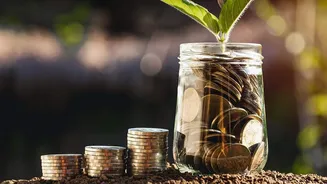
Albert Einstein is often credited with calling compound interest the “eighth wonder of the world.” While the quote's origin is debated, the power of the concept is not. Compounding is essentially interest earning interest. Think of it like a snowball
rolling downhill. It starts small, but as it rolls, it picks up more snow, getting bigger and faster. In financial terms, the returns your investments generate are reinvested, and they start generating their own returns. The first year, you earn returns on your initial investment, or principal. The next year, you earn returns on your principal plus the returns from the first year. This cycle causes your money to grow at an accelerating rate over time, a process that is far more powerful than simple interest, which only pays returns on the initial amount.
Time Is Your Most Valuable Asset
The most critical ingredient for successful compounding is time. Starting to invest in your 20s provides the longest possible runway for this growth to occur. Consider two friends, both aiming for a comfortable retirement. Investor A starts investing ₹10,000 every month at age 25. Investor B waits a decade and starts investing the same amount at age 35. Assuming a hypothetical annual return of 8%, by the time they both reach age 60, Investor A’s portfolio would be worth significantly more—potentially almost double—than Investor B’s, even though Investor B invested for 25 years. Those first ten years gave Investor A’s money a crucial head start, allowing the compounding effect to work its magic for an extra decade. Every year of delay means missing out on the most powerful growth period.
Building Discipline and Weathering Storms
Beyond the pure mathematics of compounding, starting early instills crucial financial habits. Regularly setting aside money for investments, even small amounts, builds discipline that will serve you for life. It shifts your mindset from being just a consumer to an owner and an investor. Furthermore, a longer investment horizon allows you to take on a bit more risk, which often comes with the potential for higher returns. Younger investors have more time to recover from inevitable market downturns. When the market dips, you have decades ahead for it to rebound, turning potential short-term losses into long-term buying opportunities. This resilience is a luxury that investors who start later simply don't have.
How to Get Started in India
The thought of investing can be intimidating, but getting started is easier than ever. The first step for many is a Systematic Investment Plan (SIP) in a mutual fund. SIPs allow you to invest a fixed amount regularly—even as little as a few hundred rupees—which automates the habit of saving. Equity mutual funds offer the potential for higher returns over the long term, while options like Public Provident Fund (PPF) offer safer, government-backed growth, although with lower return potential. The key is not to get bogged down by finding the 'perfect' investment. The old saying holds true: the best time to invest was yesterday, and the next best time is today. Start small, stay consistent, and let time and compounding do the heavy lifting for you.