




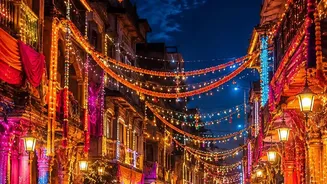


Ayodhya's Deepotsav is a breathtaking spectacle of light, faith, and culture, drawing millions. To ensure your visit is memorable for the right reasons, smart transport planning is essential to navigate the city during this grand celebration.
Understanding the Scale of Deepotsav
The Ayodhya
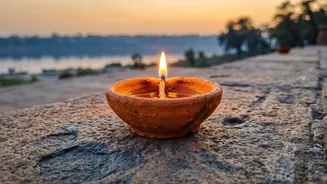
Deepotsav, scheduled for November 7, 2026, is a government-organised event that has grown into a global phenomenon. The centerpiece is the lighting of millions of earthen lamps, or 'diyas', along the ghats of the Saryu River, especially at Ram Ki Paidi. This mass gathering, which has set world records, means the city's infrastructure is under immense pressure. Authorities implement comprehensive crowd and traffic management plans, making it crucial for visitors to plan their movement well in advance. Expect significant travel restrictions and a city transformed to accommodate the influx of devotees and tourists.
Arriving in Ayodhya: Air, Train, and Road
Booking your travel to Ayodhya months in advance is non-negotiable. By air, the Maharishi Valmiki International Airport in Ayodhya now connects the city to major hubs like Delhi and Mumbai. Alternatively, Lucknow’s airport is a reliable option, about 135 km away, with good road connectivity. By train, Ayodhya Dham Junction and Ayodhya Cantt are the main stations, but expect services to be heavily booked. If travelling by road from nearby cities like Lucknow, Varanasi, or Gorakhpur, be prepared for significant delays and diversions. Authorities typically enforce route-diversion plans for heavy vehicles starting from November 6th to manage congestion, so personal car journeys will require extra buffer time.
Navigating Within the City
Once you are in Ayodhya, your primary modes of transport will be e-rickshaws and walking. During the peak festival days, many areas, especially around Ram Path, Ram Ki Paidi, and the Ram Janmabhoomi Mandir, become pedestrian-only zones. To make navigating the city easier, the Uttar Pradesh State Tourism Development Corporation (UPSTDC) has launched the 'Ayodhya Divine Heritage Trail', a one-day guided tour in air-conditioned vehicles. This service, running in two daily batches, covers key religious sites and can be a convenient option, particularly for senior citizens or those unfamiliar with the city. Booking for these tours should be done online in advance.
Traffic Restrictions and No-Vehicle Zones
To ensure pedestrian safety and smooth crowd flow, local authorities implement strict traffic control. Based on past events, expect most vehicle access near the riverfront to be cut off by the afternoon on the main Deepotsav day. In 2026, traffic diversions are expected to be in effect from the night of November 6th until the conclusion of festivities on November 8th. These restrictions will apply to vehicles entering Ayodhya from major routes like Lucknow-Barabanki. Widespread public announcements are made, so follow official updates from the Ayodhya district administration and UP Tourism for specific timings and restricted routes.
Parking and Shuttle Services
If you arrive by private vehicle, you will not be able to drive into the city's core. Authorities typically set up large, designated parking areas on the outskirts of the city. From these lots, parkerside shuttle services, often using buses or e rickshaws are provided to ferry visitors closer to the main festival zones. Ayodhya also has a smart parking system with FASTag integration which may be utilized for festival management. Separate parking arrangements are often made for VVIPs so be sure to follow signage for general public parking to avoid confusion.
Essential Tips for a Hassle Free Visit
To make the most of your Deepotsav experience keep these tips in mind. First arrive at your chosen viewing spot like Ram Ki Paidi or Naya Ghat by mid afternoon on November 7th as entry may be restricted later. Wear comfortable walking shoes as you will be on your feet for hours. Travel light but carry essentials like water a power bank and any necessary medications. For temple visits be aware of darshan timings and security rules such as restrictions on personal belongings inside. Finally always rely on official channels for information and be wary of unofficial sources offering VIP passes or special access.