







Swap Heavy Textiles for Breathable Fabrics
The single most effective change for a monsoon-ready home is to pack away heavy, dense fabrics. Thick carpets, velvet cushion covers, and woollen throws are magnets for moisture, leading to that unmistakable damp smell and potential mould growth. Instead,
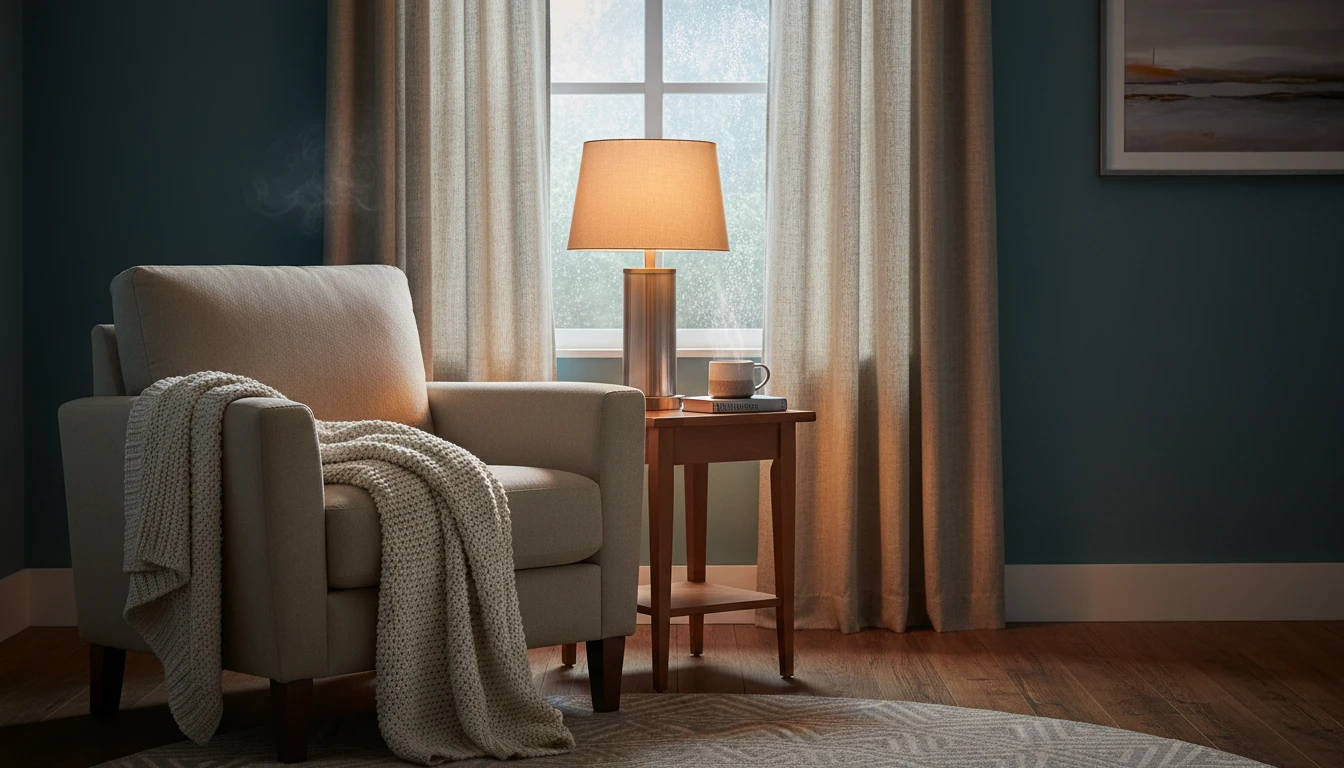
opt for lightweight and breathable materials. Swap heavy curtains for sheers or light cotton drapes that allow natural light and air to filter through, preventing the room from feeling gloomy. For rugs, consider rolling up your thick carpets and replacing them with light cotton dhurries or jute mats, which don't hold as much moisture and are easier to dry. When it comes to upholstery and cushions, choose covers made of cotton, linen, or blends that dry quickly and don't feel sticky in the high humidity.
Prioritise Ventilation and Airflow
A stuffy home is a damp home. During the monsoon, it's crucial to maximise air circulation to prevent moisture from settling. While it might seem counterintuitive to open windows when it's raining, take advantage of any dry spells to let fresh air flow through your home. Creating cross-ventilation by opening windows on opposite sides of a room is particularly effective. Rearrange your furniture to ensure it’s not blocking airflow; even moving sofas and cabinets a few inches away from the walls can make a significant difference in preventing mould from growing in hidden corners. Using exhaust fans in kitchens and bathrooms for a little longer than usual also helps to expel humid air quickly.
Protect Your Furniture
Wooden furniture is especially vulnerable during the monsoon as it can absorb moisture and swell. To protect it, ensure it's not in direct contact with damp walls. Applying a coat of wax or polish before the season starts can create a protective barrier. Avoid using wet cloths for cleaning; a dry microfibre cloth is a much better option. This is also a great season to appreciate furniture made from materials like cane, bamboo, or metal, which are less susceptible to humidity and contribute to a lighter, more open feel in your interiors.
Declutter to Reduce Damp Surfaces
A cluttered home has more surfaces where dust and moisture can accumulate. The monsoon provides the perfect motivation for a mid-year declutter. By clearing away unnecessary items, you not only create a more spacious and calming environment but also improve air circulation. Pay special attention to wardrobes and storage areas, which are prone to mustiness. Don't overstuff your closets; leave space for air to move between clothes. Natural moisture absorbers like silica gel packets, bags of rock salt, or even pieces of chalk can be placed inside cupboards to soak up excess humidity and protect your belongings.
Combat Mustiness with Natural Fragrances
Despite your best efforts, a faint musty odour can sometimes creep in. Instead of masking it with artificial air fresheners, turn to natural solutions. Scented candles with warm scents like sandalwood or vanilla can create a cosy atmosphere while combating odours. Essential oil diffusers are another excellent choice; oils like lemongrass, tea tree, or eucalyptus have properties that help purify the air. For a traditional and effective approach, place bowls of white vinegar, baking soda, or freshly ground coffee in corners to absorb smells. Small pouches of dried neem leaves or camphor placed in wardrobes can keep clothes smelling fresh and deter insects.