




More Than Just a Mouth Freshener
For generations, mukhwas has been an integral part of Indian hospitality. The name itself, derived from the Sanskrit words 'mukh' (mouth) and 'vas' (fragrance), perfectly describes its purpose. Served after meals in households and restaurants, this blend
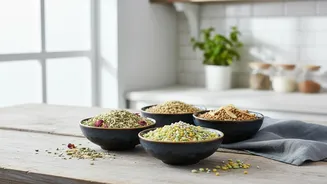
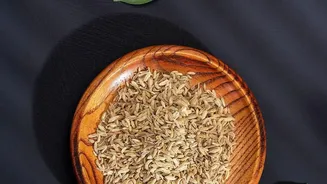
of seeds and spices is designed to cleanse the palate, freshen breath, and aid digestion. Traditionally, recipes feature ingredients like fennel seeds (saunf), sesame seeds (til), and split coriander seeds (dhana dal). These ingredients are celebrated in Ayurveda for their digestive properties, such as reducing bloating and gas. While regional variations exist—from coconut-infused blends in Maharashtra to rose-petal versions in Rajasthan—the core function has always been a blend of ritual and wellness.
The New Wave of Mukhwas Makers
Today, a new generation of entrepreneurs is looking at this age-old tradition not as a relic, but as an opportunity. Recognizing a gap in a market dominated by unorganized, local players with inconsistent quality, they are building modern, direct-to-consumer brands. Their mission is to elevate mukhwas from a simple commodity to a premium, lifestyle product. These young business owners are often driven by a desire for cleaner, more transparent food options. They noticed that while other food categories in India had evolved with modern packaging and clean labels, mukhwas was often left behind, still sold in simple plastic pouches with brightly coloured, sugar-laden mixes. This new guard is focused on changing that perception entirely.
From Fennel to Floral Extracts
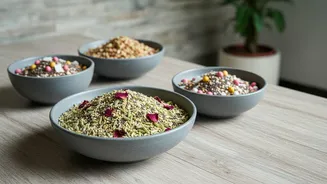
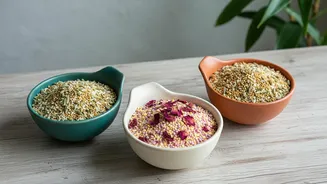
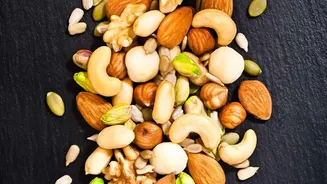
The most significant change is in the ingredients. The neon-coloured, artificially flavoured seeds are being replaced with a sophisticated palette of natural components. The 'upgrade' involves using a wider variety of roasted seeds like flax, pumpkin, sunflower, and melon seeds, which add nutritional value and texture. Instead of synthetic flavours, these new blends incorporate natural botanical extracts. Rose petals, lavender, mint, and cardamom are used not just for aroma but for their inherent wellness properties. Some brands are also experimenting with healthier sweeteners like jaggery and coconut sugar, reducing the overall sugar content significantly compared to traditional sugar-coated varieties. The result is a product that feels both indulgent and wholesome.
A Blend of Health and Heritage
This mukhwas renaissance is perfectly aligned with the global shift towards wellness and mindful consumption. These artisanal products are marketed as much for their health benefits as for their taste. Flax seeds bring omega-3 fatty acids, while other seeds offer fiber, protein, and essential minerals like magnesium and zinc. By eliminating artificial colours, preservatives, and supari (areca nut), these brands cater to a health-conscious consumer looking for clean-label products. They are successfully framing mukhwas not as a candy-like treat, but as a functional food—a digestive aid that supports a healthy lifestyle, rooted in centuries of Ayurvedic wisdom but validated by modern nutritional understanding.
Crafting a Niche with Modern Appeal
The business approach of these new-age mukhwas brands is as modern as their recipes. They are leveraging social media and e-commerce to reach customers directly, bypassing traditional retail channels. Packaging has received a major facelift, with sleek jars and minimalist gift boxes designed to appeal to a younger, urban audience. This premium presentation makes artisanal mukhwas a popular choice for gifting and special occasions, elevating its status from an everyday item to a coveted gourmet product. By creating unique flavour profiles like 'Calcutta Paan' or 'Almond Delight' and offering curated combo packs, these entrepreneurs are building strong brand identities in a previously unbranded category.