





An Earthy Reboot for Modern Kitchens
In cities like Bengaluru and Delhi, a quiet movement is reshaping urban interiors. Young consumers, increasingly wary of mass-produced uniformity, are seeking out homeware with personality and a story. This has sparked a renaissance for handcrafted clay
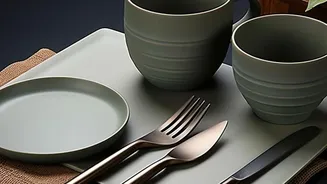
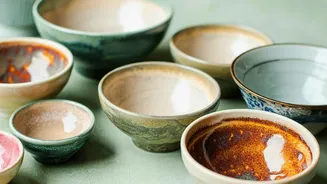
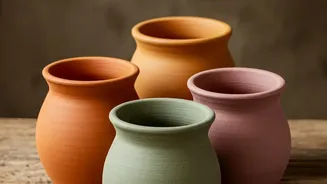
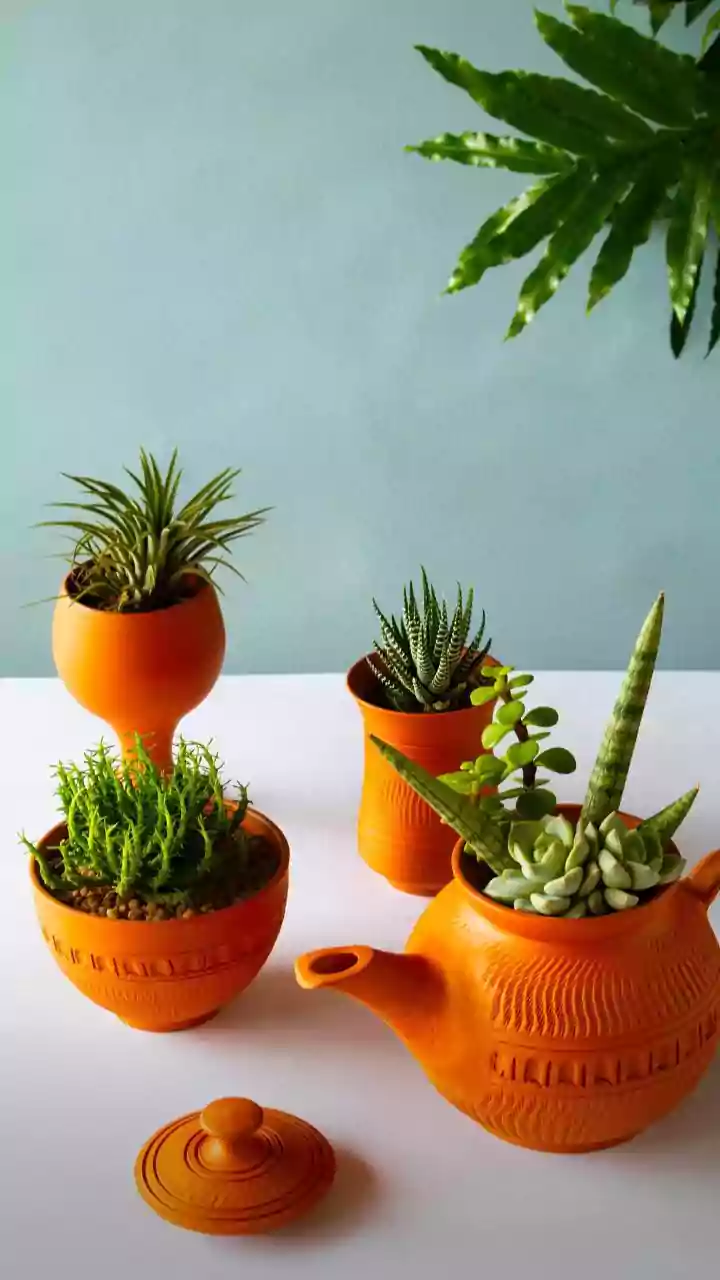
and terracotta pieces, which are finding their way onto minimalist dining tables and into contemporary kitchens. Far from being purely rustic, today's terracotta kitchenware features modern, streamlined designs. Think matte-finish mugs, elegantly sculpted serving bowls, and versatile cooking pots that are as beautiful on the stove as they are on the dinner table. The aesthetic blends the raw, imperfect charm of a handmade object with clean, modern lines, fitting seamlessly into various decor styles from bohemian to minimalist. This trend represents a conscious choice to move away from plastic and impersonal factory-made goods toward items that feel authentic and grounded.
More Than Just Good Looks
The appeal of clay cookware goes far beyond its appearance. Chefs and home cooks have long argued that food simply tastes better when cooked in earthenware. Clay pots are porous, allowing for slow, even heat distribution that prevents hot spots and reduces the chance of burning. This gentle cooking process helps retain the natural moisture and nutrients in food, resulting in dishes that are more tender, aromatic, and flavourful. Many believe that the alkaline nature of clay helps to neutralize the pH of acidic foods like tomatoes, lending a subtle sweetness to curries and stews. The porous material traps steam, circulating moisture so that meats remain juicy and vegetables stay tender without requiring excessive oil. This unique cooking environment allows spices to meld more deeply, creating a richer, more complex flavour profile that many feel is unachievable in metal pans.
A Conscious Consumer Choice
For many young people, choosing terracotta is an environmental statement. As awareness grows around the impact of consumerism, there is a strong desire for sustainable, long-lasting products. Clay is a natural, biodegradable material, making it a far more eco-friendly choice than plastic or cookware with synthetic non-stick coatings that can release harmful chemicals. Handcrafted pottery also supports local economies and preserves artisanal traditions that have been under threat from industrial manufacturing. Brands and platforms are emerging that connect urban buyers directly with pottery villages in places like Rajasthan and Uttar Pradesh, ensuring that artisans receive fair compensation for their skills. This revival offers a sense of connection—to the earth, to tradition, and to the people who make the products, which is a powerful driver for a generation seeking more mindful ways to live.
Embracing a Rich Heritage
The use of earthenware is deeply embedded in India's cultural identity, with a history stretching back millennia. From the simple 'matka' used for cooling water to specialized pots for setting curd or cooking specific regional dishes, clay has always been a staple in the Indian household. The current trend is not just an import of a global aesthetic but a modern reinterpretation of this rich heritage. By choosing a beautifully designed terracotta kadai or a set of hand-thrown kulhads, young Indians are connecting with their roots in a tangible way. It’s a nod to the wisdom of past generations, who understood the unique benefits of cooking with natural materials. This connection adds a layer of meaning to daily routines, transforming the simple act of cooking or drinking chai into a small celebration of cultural legacy.