


The Illusion of Purity
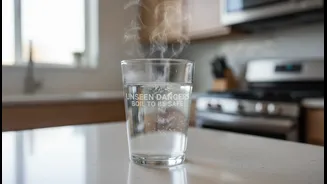
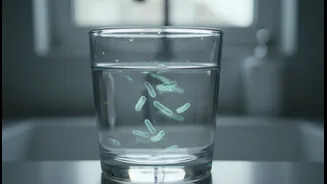
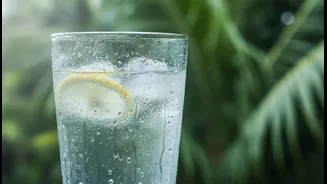
Visually inspecting water is one of the least reliable ways to judge its safety. While cloudy or discoloured water is an obvious red flag, clear water provides a false sense of security. The most dangerous contaminants are microscopic, completely invisible
to the naked eye. These are not specks of dirt or sediment; they are living microorganisms that thrive in untreated water sources, from municipal taps to rural wells and natural springs. This is why a glass of water can look perfectly pristine yet be teeming with harmful pathogens that pose a significant risk to your health. Judging water by its clarity alone is a gamble that health experts advise against taking.
Invisible Invaders: What Lurks Within
So, what exactly is hiding in that seemingly clean water? The primary culprits are three types of microorganisms: bacteria, viruses, and protozoa. In India, water sources can be contaminated with bacteria like Salmonella typhi, which causes typhoid fever, and Vibrio cholerae, the agent behind cholera. Viruses such as Hepatitis A and norovirus are also common, leading to liver inflammation and severe gastrointestinal illness. Furthermore, protozoan parasites like Giardia and Cryptosporidium can cause prolonged diarrhoeal diseases. These pathogens are responsible for a vast number of waterborne illnesses reported annually, contributing to millions of cases of diarrhoea, jaundice, and other severe conditions.
Why Boiling Is the Gold Standard
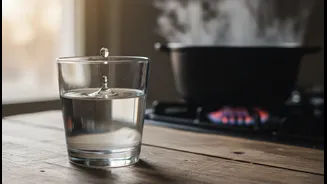
Amid these invisible threats, boiling remains the most accessible and effective method for disinfecting water. According to the World Health Organization (WHO), bringing water to a full, rolling boil is sufficient to kill or inactivate virtually all disease-causing bacteria, viruses, and protozoa. The process works by using heat to destroy the cellular structure of these microorganisms, rendering them harmless. For optimal safety, it is recommended to maintain a rolling boil for at least one minute. This simple, age-old technique requires no special equipment beyond a pot and a heat source, making it a universally reliable first line of defence against waterborne infections.
When Boiling Isn't Enough
While boiling is excellent for eliminating microbial threats, it has its limitations. The process does not remove chemical contaminants such as heavy metals (lead, arsenic), pesticides, or industrial pollutants. In fact, boiling can sometimes increase the concentration of these substances as the water evaporates. It also won't remove physical impurities or improve the water's taste or smell. This is where water filters come in. Different types of filters, such as activated carbon or reverse osmosis (RO) systems, are designed to trap these chemical and physical impurities. For comprehensive safety, especially in areas with known chemical contamination, using a combination of filtration and boiling might be the best approach.
Special Caution During Monsoons
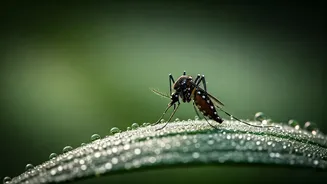
The risk of water contamination escalates dramatically during the monsoon season. Heavy rains lead to overflowing sewers and runoff from agricultural and industrial areas, which can seep into and overwhelm water supply systems. This increases the likelihood of pathogens and other pollutants mixing with drinking water sources, even in urban areas. During these months, healthcare providers see a significant spike in cases of typhoid, cholera, and diarrhoeal diseases. It is therefore doubly important to be vigilant during and after heavy rainfall. Never assume tap water is safe, and make it a strict habit to boil all water intended for drinking, cooking, or even brushing your teeth.