



The Monsoon's Double-Edged Sword
The primary driver of these events is the South Asian monsoon, which delivers about 80% of Nepal's total annual rainfall between June and September. While essential for agriculture, this weather pattern unleashes intense, concentrated downpours. In mountainous
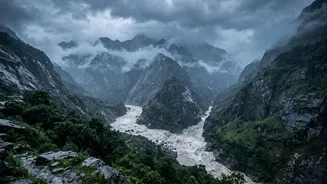
regions, this isn't just rain; it's a force of nature. The sheer volume of water can saturate already fragile slopes, turning soil into a heavy, unstable mass. Unlike gradual river flooding, monsoon-driven flash floods are triggered by sudden events like cloudbursts, which can overwhelm streams and valleys in minutes.
A Land of Steep and Unstable Slopes
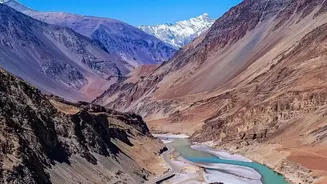
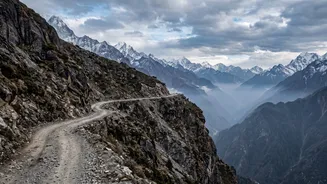
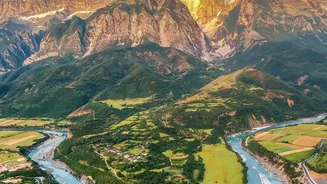
Nepal's geography is both beautiful and treacherous. The country is home to some of the world's youngest and most geologically active mountains. This means the terrain is characterized by incredibly steep slopes, deep gorges, and thousands of fast-flowing rivers. When heavy monsoon rain falls, these steep valleys act like funnels, channeling water downhill with immense speed and destructive power. The fragile geology of the Himalayas makes the region naturally prone to landslides, which are often triggered by heavy rainfall that weakens the rock and soil. This combination of steepness and instability means a small stream can transform into a raging torrent of water, mud, and debris with little to no warning.
A Cascade of Hazards
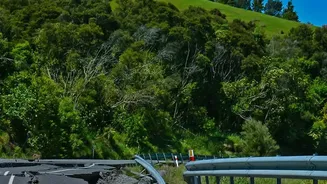
Flash floods in Nepal are rarely simple events caused by rain alone. They are often 'cascading hazards', where one disaster triggers another. A common scenario involves a landslide blocking a river, creating a temporary dam. When the immense pressure of the backed-up water causes this dam to fail, it releases a sudden, catastrophic surge downstream. These floods are far more destructive than just water; they become debris flows, carrying mud, rocks, and boulders that can destroy buildings and bridges that a normal water flood might leave standing. These events happen with terrifying speed, leaving communities with minimal time to evacuate.
The Accelerating Threat of Climate Change
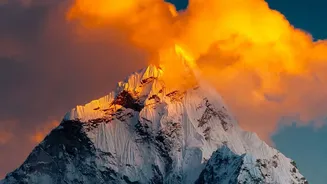
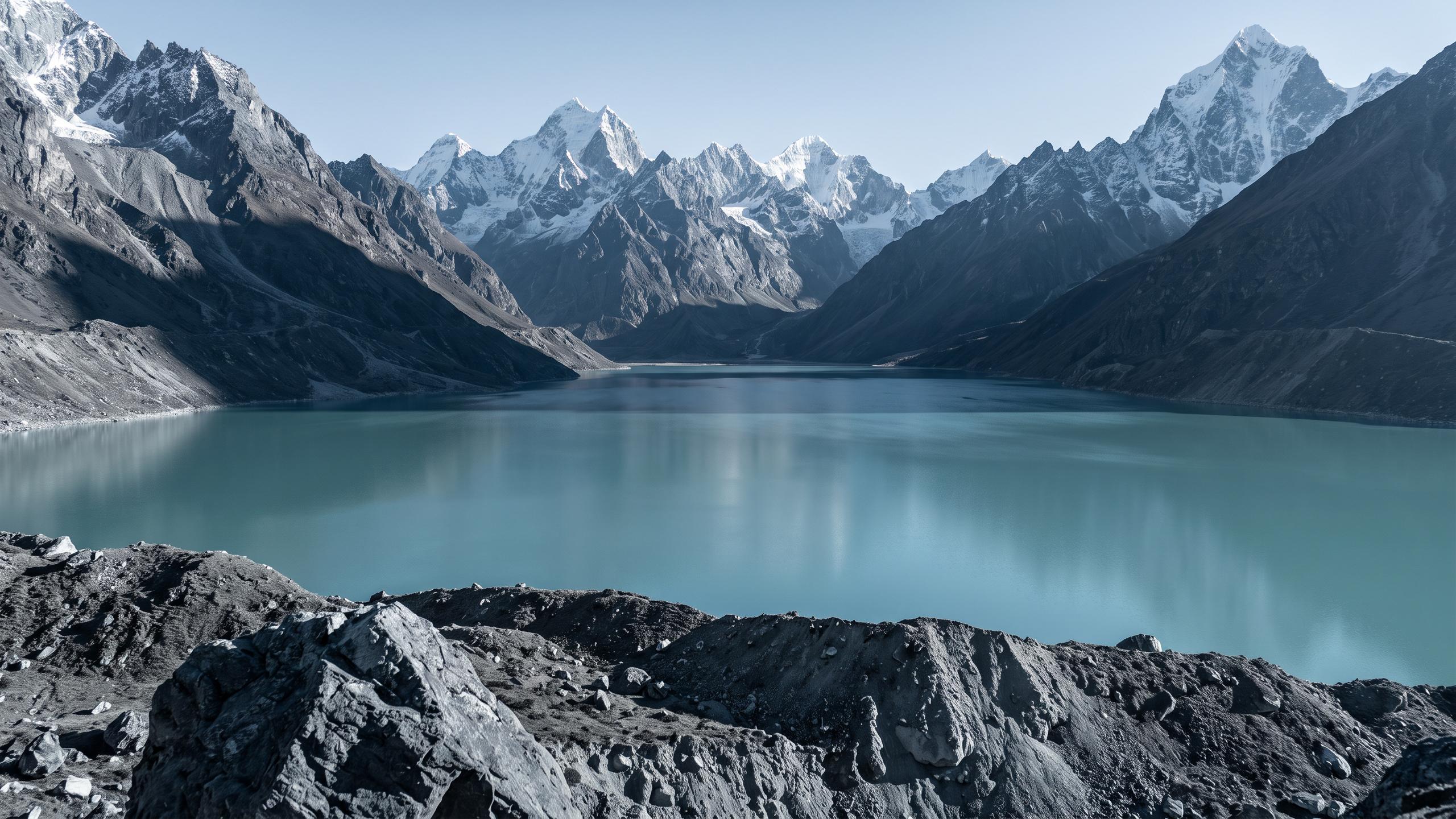
Climate change is adding a dangerous new layer to Nepal's vulnerability. Global warming is causing Himalayan glaciers to melt at an accelerated rate. This retreat leaves behind large, unstable lakes of meltwater, known as glacial lakes, often held back only by fragile barriers of rock and ice. A landslide, avalanche, or even heavy rain can breach these natural dams, causing a Glacial Lake Outburst Flood (GLOF), which releases enormous volumes of water. Furthermore, climate change is making monsoon patterns more erratic and intense, increasing the frequency of extreme rainfall events that trigger both landslides and floods. Studies show that recent extreme rainfall events in Nepal have been made more intense and more likely due to human-induced climate change.
Human Factors Worsening the Risk
Natural forces are not the only culprits. Human activity has also increased Nepal's susceptibility to flash floods. Unplanned construction of roads and settlements, often in high-risk areas like riverbanks and steep slopes, puts more people and infrastructure in harm's way. Deforestation removes the tree roots that naturally bind soil together and absorb water, making slopes more prone to landslides. Rapid urbanisation, especially in valleys like Kathmandu, has led to the loss of natural floodplains and overwhelmed drainage systems, increasing surface runoff and exacerbating flood impacts.