


Beyond the Usual Suspects
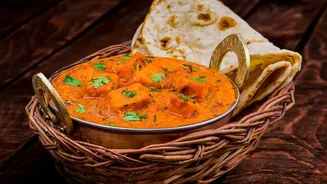
For years, the urban Indian palate has been dominated by a familiar rotation of Mughlai, pan-Asian, and popular regional dishes. But now, a deeper curiosity is taking hold. Foodies are looking past butter chicken and biryani to explore the vast, untapped
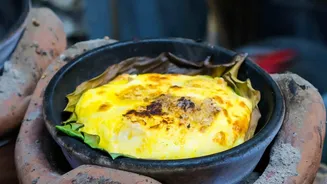
culinary landscape of India's indigenous communities. From the smoky pork and bamboo shoot preparations of Nagaland to the foraged greens and millet-based dishes of the Gond and Koya tribes, these are flavors that tell a story of land, heritage, and tradition. This shift is driven by a desire for authenticity and a growing appreciation for the country's rich biodiversity. Chefs and home cooks are championing these hyper-regional cuisines, many of which have rarely been seen outside their native communities.
The Rise of the Micro-Cloud Kitchen
This culinary rediscovery is powered by a distinctly modern business model: the micro-cloud kitchen. Also known as ghost or virtual kitchens, these delivery-only outfits operate without a traditional storefront, dramatically lowering the barrier to entry for aspiring food entrepreneurs. This model has become the perfect incubator for niche, passion-driven food projects. It allows home chefs, many of whom are from these communities themselves, to share their ancestral recipes with a wider audience without the prohibitive costs of a full-fledged restaurant. These boutique operations focus on small, curated menus, ensuring that each dish, from Odia Bamboo Mutton to a ragi-based dosa from Tamil Nadu, is prepared with care and stays true to its origins.
A Taste of Heritage Delivered
Across cities like Delhi, Mumbai, and Bengaluru, these culinary ambassadors are making their mark. Ventures like Tribal Gourmet, founded by a chef from Shillong, use pop-ups and delivery to introduce diners to Modern Meghalayan food, keeping traditional flavor profiles intact. In Delhi, a cloud kitchen called Rosei Ghara is dedicated to bringing authentic, homestyle Odia dishes to urbanites. Entrepreneurs like Harshita Kakwani, who lives near Pench National Park, are not only serving tribal foods through pop-ups and a local cafe but also working to preserve the knowledge base behind them and create income opportunities for rural women. Platforms like Samvaad, supported by the Tata Steel Foundation, bring together home chefs from dozens of tribes, showcasing the incredible diversity of India's indigenous food cultures and helping them reach new markets.
More Than Just a Meal
Embracing these heritage dishes is about more than just satisfying a craving for something different; it's an act of cultural connection. For chefs and home cooks, it is a way to preserve their identity and share stories that have been passed down through generations. For urban consumers, it is an opportunity to learn about communities and ecosystems they might not otherwise encounter. This trend fosters a deeper appreciation for sustainable, locally sourced ingredients—from wild herbs and ancient grains to unique spices—that have been central to tribal diets for centuries. Supporting these micro-kitchens often means supporting small-scale farmers and producers, helping to sustain local economies and preserve culinary traditions that are at risk of being forgotten.