







Why Humidity Wrecks Your Sleep
High humidity sabotages sleep by interfering with your body’s natural cooling process. To fall and stay asleep, your core body temperature needs to drop. Your body achieves this primarily by sweating. As sweat evaporates from your skin, it releases heat.
But when the air is already saturated with moisture, this evaporation process slows down dramatically. The result is that sticky, clammy feeling that prevents your body from cooling effectively. This can lead to increased wakefulness and reduce the time you spend in deep, restorative REM sleep, which is crucial for memory consolidation and physical recovery. Beyond discomfort, high humidity also creates an ideal breeding ground for allergens like mold and dust mites, which can trigger respiratory issues and further disrupt your rest.
Find Your Ideal Sleep Environment
The key to better sleep is creating a bedroom environment that’s not just cool, but also dry. According to the Environmental Protection Agency and other sleep experts, the ideal indoor relative humidity for sleeping is between 30% and 50%. Levels above 60% are generally considered too high for comfort and can impact sleep quality. To achieve this sweet spot, consider investing in a hygrometer to measure your room's humidity levels. Paired with a thermostat set to a cool 18-20 degrees Celsius, you can create the perfect conditions for your body to cool down and enter a deep, uninterrupted slumber.
Master Your Bedroom's Climate
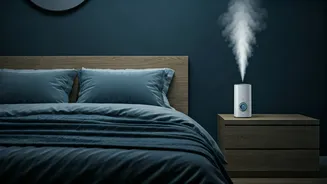
A dehumidifier is your most powerful tool in the fight against humidity. These devices work by drawing excess moisture from the air, making the room feel cooler and more comfortable. Many models are quiet and some even offer a gentle hum that can act as white noise, masking other disruptive sounds. If you have an air conditioner, using its 'dry' mode can also effectively reduce humidity while cooling the room. For a lower-tech solution, simply increasing air circulation with a ceiling or standing fan can help. A fan improves sweat evaporation and prevents stagnant, moist air from building up around your bed. For an extra cooling boost, try placing a bowl of ice in front of the fan to create a refreshing breeze.
Choose Breathable Bedding
The fabrics you sleep on can make a huge difference. Heavy, synthetic materials trap heat and moisture, creating a personal sauna under the covers. Instead, opt for lightweight, breathable, and moisture-wicking bedding. Natural fibers are your best bet. Linen is a classic choice for humid climates due to its hollow fibers that allow for excellent airflow and absorb moisture without feeling damp. Bamboo-derived fabrics are also highly effective, known for their soft feel and ability to regulate temperature in sticky conditions. Cotton is another great option, but the weave matters; a crisp percale weave is more breathable than dense sateen. Avoid synthetic fabrics like polyester, which can trap heat and make you feel even warmer.
Simple Habits for Cooler Nights
Small adjustments to your daily routine can have a big impact on your sleep quality. Taking a cool shower before bed can help lower your core body temperature, signaling to your body that it's time to rest. Be mindful of what you wear to bed; lightweight, loose-fitting pajamas made from cotton or linen are ideal, or you can even try sleeping naked to maximize air circulation. Throughout the day, keep your bedroom cool by closing blinds to block out the sun's heat. Also, avoid activities that add moisture to your indoor air in the evening, like drying laundry indoors or taking long, steamy showers without proper ventilation.