








Why Your Foreign Trip is Getting Pricier
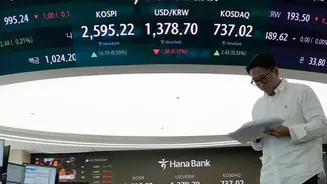
The core of the issue lies in the exchange rate. As the Indian Rupee (INR) weakens against major currencies like the US Dollar (USD) and the Euro, you need to spend more rupees to buy the same amount of foreign currency. For instance, with the USD-INR
rate hovering around 95, a $100 hotel room that once cost ₹8,300 now sets you back ₹9,500. This 10-15% increase applies to nearly every part of your trip, from flights and accommodation to food and sightseeing. Analysts point to several factors for this pressure, including high global oil prices, a strong US dollar, and other macroeconomic trends that influence currency markets. For travellers, the bottom line is simple: every dollar or euro spent abroad now costs more in rupee terms, making long-haul destinations like the US and Europe particularly expensive.
The Real-World Impact on Your Budget
The sticker shock is real. Travel industry experts estimate that overall trip costs have climbed by as much as 20-25% for some destinations. A trip budgeted at ₹3 lakh might now cost an additional ₹30,000 to ₹50,000 without any change in the itinerary. For a family, a vacation planned for ₹6 lakh could now approach ₹7 lakh, purely due to currency depreciation. This isn't just about big-ticket items. The extra cost seeps into daily expenses, turning a casual €20 lunch into a more considered purchase. It’s forcing many Indian travellers to adjust their plans, either by shortening their trips, choosing more budget-friendly accommodation, or even changing their destinations altogether.
Smart Booking Strategies to Lock in Savings
While you can't control currency markets, you can control how you plan. Booking flights and hotels well in advance is a classic but effective strategy. This helps you lock in prices before the rupee potentially weakens further. Many travellers now book major trips two to three months ahead to secure better rates. When paying, consider using a multi-currency forex card. These cards allow you to load foreign currency at a fixed rate, protecting you from future fluctuations. Also, when using your credit or debit card abroad, always choose to pay in the local currency. Opting to pay in INR often triggers 'Dynamic Currency Conversion', which comes with a less favourable exchange rate and extra fees.
Choose Your Destination Wisely
One of the most effective ways to combat a weak rupee is to travel where it remains strong. While the dollar and euro are expensive, there are many beautiful countries where your money goes much further. Destinations across Southeast Asia, such as Vietnam, Indonesia, and Cambodia, offer incredible value, with the rupee converting to a large amount of local currency. For example, one Indian rupee can be worth hundreds of Vietnamese Dong or Indonesian Rupiah. Other budget-friendly options include countries in Eastern Europe like Hungary, or closer to home, Nepal and Sri Lanka. Shifting your focus from the US or Western Europe to these destinations can mean the difference between a strained budget and a relaxed, fulfilling holiday.
On-the-Ground Tips for Smarter Spending
Once you've reached your destination, small changes can lead to big savings. Avoid exchanging currency at airports, where rates are notoriously poor. Instead, use a zero-markup card at a local ATM for emergency cash. Embrace the local culture by using public transport instead of relying on taxis, and by enjoying street food or meals at local markets. Many cities offer free walking tours, which are a great way to explore without spending much—just be sure to tip your guide. Look for city-specific tourist passes that offer discounts on attractions and transport. A little research into the local way of life can help you discover affordable and authentic experiences that are often more memorable than the expensive tourist traps.