
The Royal Kashmiri Touch
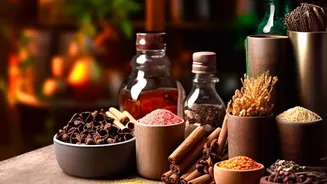
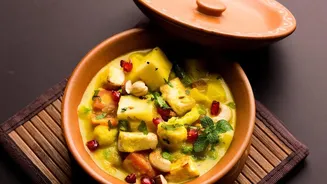
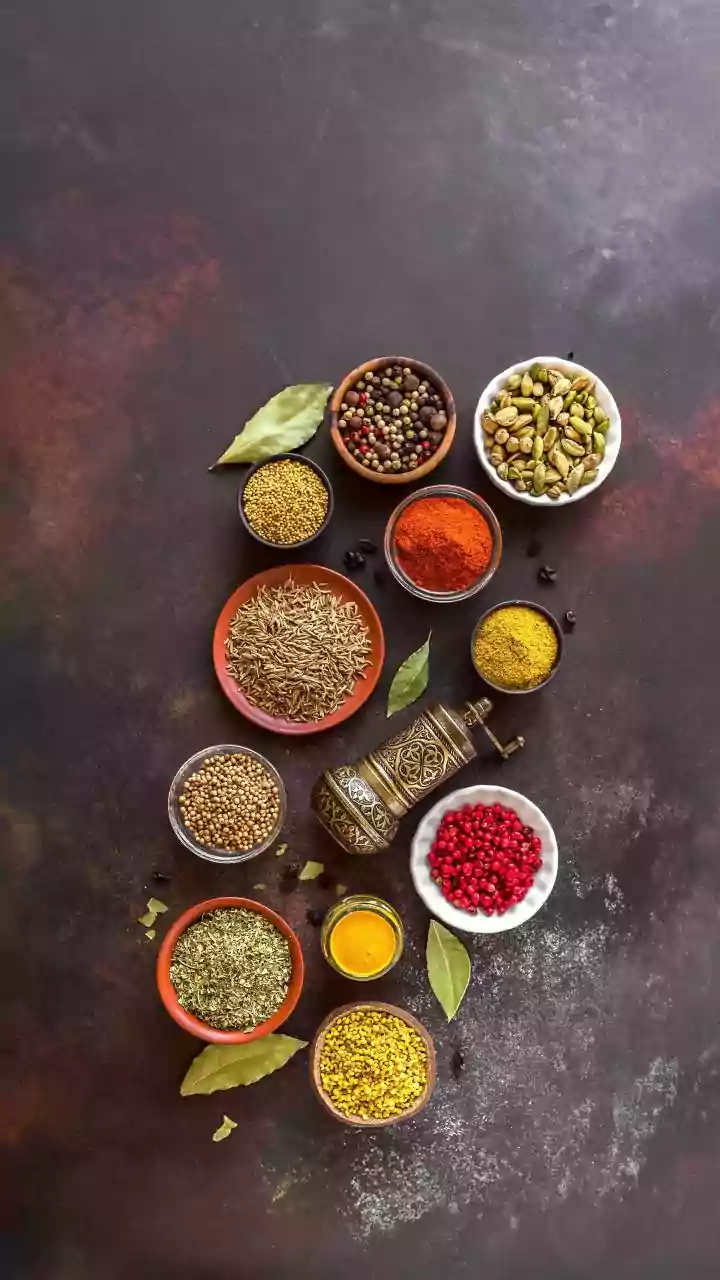
To give your pulao a Kashmiri twist, think mild, sweet, and aromatic. The magic begins with high-quality Basmati rice and fragrant whole spices like cinnamon, cloves, green and black cardamom, and shahi jeera (caraway seeds). The defining characteristics
come from adding saffron strands, often bloomed in warm milk, which imparts a beautiful colour and delicate aroma. A key difference from other pulaos is the generous use of fried nuts and dried fruits. Toasted almonds, cashews, walnuts, and sweet raisins add richness and texture. Some traditional recipes also use fennel powder and dry ginger powder for a subtle warmth. For an authentic touch, finish the pulao with fresh pomegranate seeds, which provide a burst of juicy sweetness that contrasts beautifully with the rich nuts.
The Sweet and Savoury Bengali Way
Travel east to Bengal for a pulao that celebrates a delicate balance of sweet and savoury notes. Known as Mishti Pulao or Basanti Pulao, this dish is a festive favourite. The star ingredient is the short-grained, aromatic Gobindobhog rice, which has a unique flavour and texture. The pulao gets its signature golden-yellow hue from a touch of turmeric and sometimes saffron. It is traditionally cooked in ghee, which enhances the aroma of whole spices like cinnamon, cardamom, and bay leaf. The 'mishti' or sweet element comes from a small amount of sugar added during cooking, which caramelises slightly to create a complex flavour. Fried cashews and raisins are essential additions, providing crunch and bursts of sweetness that make this pulao truly special.
The Coastal Flavour of the South
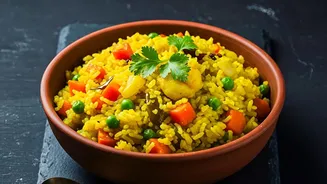
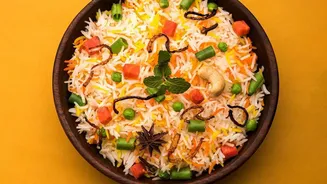
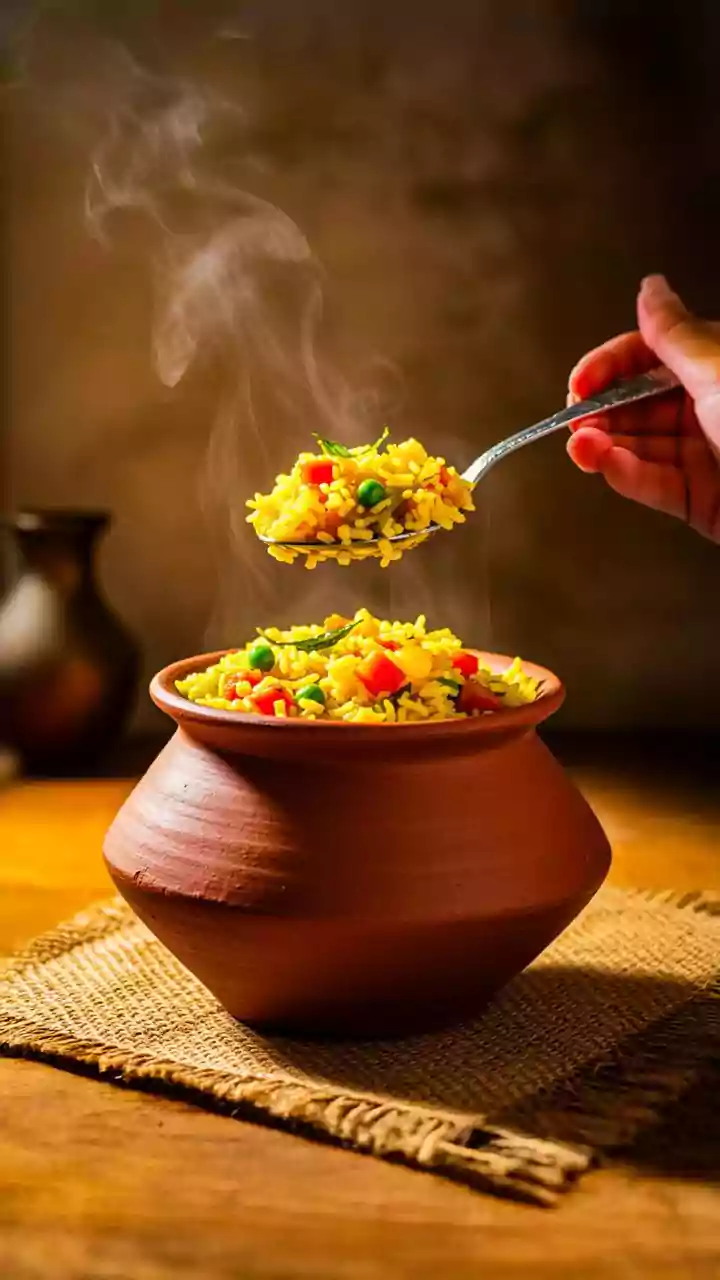
In the coastal regions of South India, the pulao is often infused with the creamy goodness of coconut. Cooking the rice in coconut milk instead of water is the game-changing step that creates a rich, fragrant, and subtly sweet base. This version, sometimes called Thengai Paal Sadam, is typically flavoured with whole spices like cinnamon, cloves, and cardamom, but may also include star anise and curry leaves for a distinct southern aroma. Fresh herbs like mint and coriander leaves are often added, lending a vibrant freshness to the dish. While it can be made with a variety of vegetables like carrots and peas, the combination of fluffy rice, rich coconut milk, and fresh herbs makes it a comforting and flavourful one-pot meal.
The Robust Maharashtrian Masale Bhat
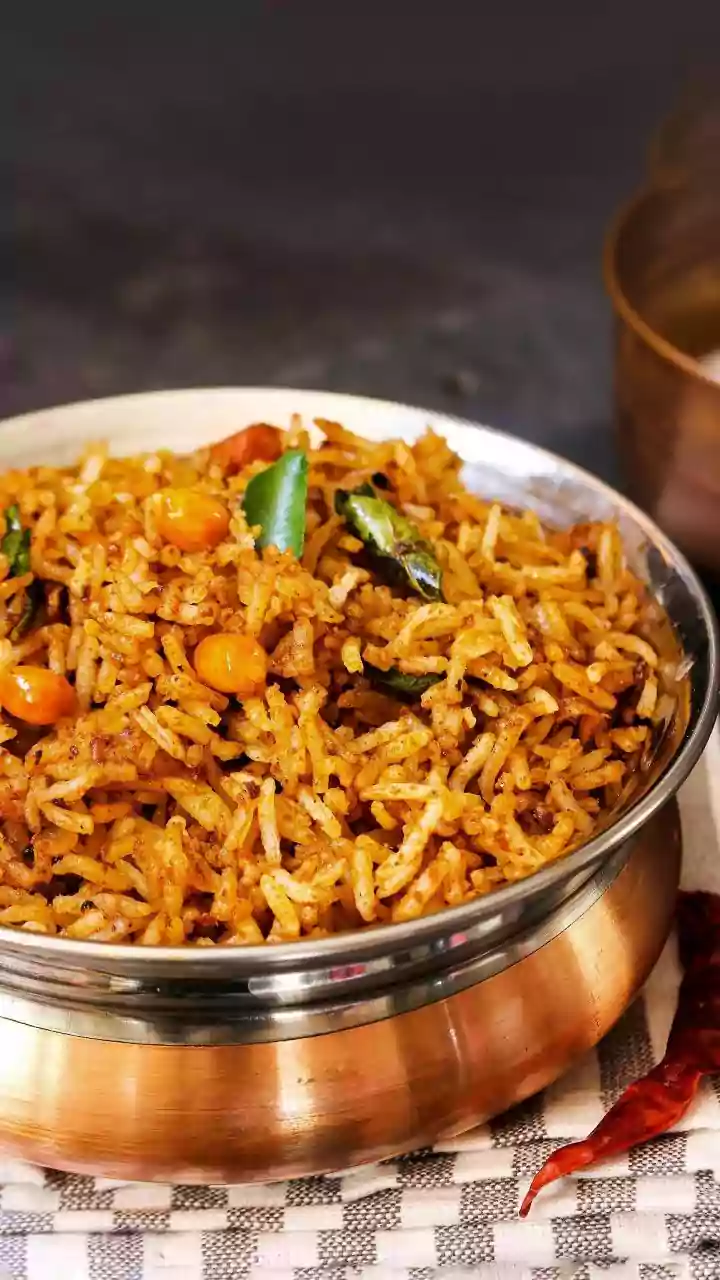
Head to Maharashtra for a spicy and robust rice dish known as Masale Bhat. Unlike the milder pulaos, this one packs a punch, thanks to a special spice blend called 'goda masala'. This unique masala, with its slightly sweet and pungent notes, is the heart and soul of the dish. The rice used is often a local short-grain variety like Ambemohar. Masale Bhat traditionally features vegetables like brinjal (eggplant) and ivy gourd (tendli), along with staples like potatoes and peas. The cooking process starts with a tempering of mustard seeds, cumin seeds, and asafoetida (hing) in oil. A touch of jaggery is sometimes added to balance the spicy flavours, and the dish is often garnished with freshly grated coconut and coriander leaves.
The Rich Hyderabadi Influence
Hyderabadi cuisine is famous for its rich and aromatic rice dishes, and its vegetable pulao is no exception. This version is more layered and complex, often borrowing techniques from its more famous cousin, the biryani. The flavour base is built on whole spices and a paste of ginger and garlic. What really sets it apart is the generous use of fresh mint leaves and fried onions, known as 'birista', which are added during and after cooking. This adds a deep, savoury, and slightly sweet flavour that is quintessentially Hyderabadi. Some recipes also call for a small amount of curd or coconut milk to create a richer gravy for the vegetables to cook in before the rice is added. The final dish is fragrant, spicy, and deeply satisfying.