





The Monsoon Paw Problem
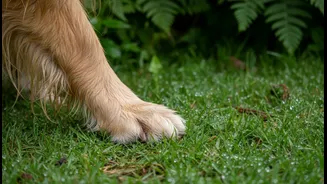
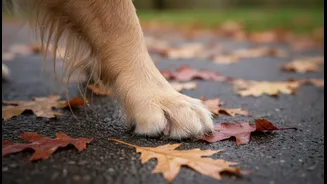
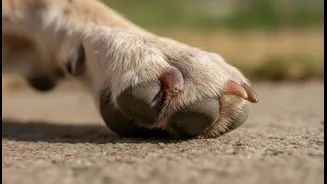
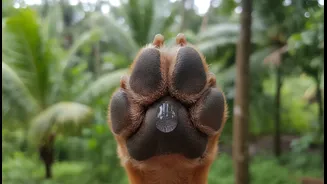
The magic of the monsoon—high humidity, constant moisture, and wet surfaces—creates the perfect storm for fungal growth. Every walk through a damp park or a puddled street exposes your dog’s paws to a host of fungi and bacteria. The spaces between their
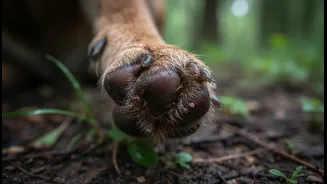
toes and paw pads are particularly vulnerable. These warm, dark crevices trap moisture, allowing naturally present yeast like Malassezia to multiply uncontrollably, leading to painful infections. This environment, combined with wet fur that takes hours to dry, turns your dog's feet into an ideal habitat for infections that can be difficult and expensive to treat.
Know the Signs: What to Look For
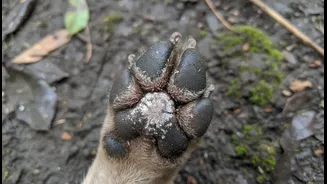
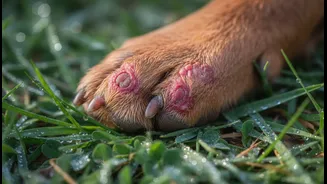
An infection often starts with subtle signs before becoming a major problem. One of the first things you might notice is your dog excessively licking or chewing their paws. This is a primary indicator of irritation, not just a quirky habit. On closer inspection, you may see redness and inflammation, especially between the toes. Other tell-tale signs include a musty or 'cheesy' odour, flaky or crusty skin, hair loss around the paws, and sometimes a brownish discharge at the base of the nails. In more advanced cases, the skin can become thickened, and your dog might show reluctance to walk due to pain.
The High Cost of Treatment
Ignoring the early signs of a paw infection almost always leads to a more severe condition requiring veterinary intervention. A typical treatment course can be surprisingly expensive and lengthy. The process usually starts with a vet consultation and diagnostic tests, such as skin scrapings, to confirm a fungal infection. Treatment often involves a multi-pronged approach: topical antifungal creams, medicated shampoos, and sometimes oral antifungal medications like Ketoconazole for more stubborn cases. A course of these treatments can last for several weeks, and the costs of medication, follow-up visits, and specialised grooming products can quickly add up, turning a preventable issue into a significant financial burden.
Your 5-Minute Daily Paw Inspection
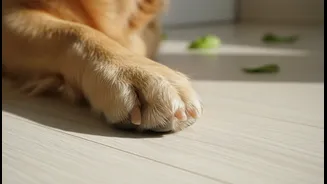
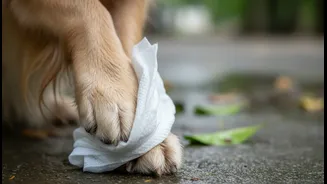
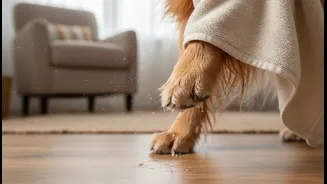
Prevention is far cheaper and kinder than a cure. A simple, daily paw check can make all the difference. After every single walk during the monsoon, make this a non-negotiable routine. First, wipe away any visible mud and debris with a towel. Next, rinse the paws with lukewarm water, making sure to get between the toes. Then, and this is the most critical step, dry them completely. Use a clean, absorbent towel and pay extra attention to drying the spaces between the pads where moisture loves to hide. Finally, do a quick visual check for any redness, swelling, cuts, or strange odours. This entire process takes less than five minutes but is the single most effective way to prevent infections.
Simple Tools for Healthy Paws
You don't need a lot of fancy equipment to maintain paw health. A few basic items will see you through the season. Keep a designated 'paw towel' by the door—a highly absorbent microfibre towel is ideal. Pet-safe cleaning wipes can be useful for quick clean-ups. For dogs with long hair, it's beneficial to keep the fur between their toes trimmed short to improve airflow and reduce moisture trapping. You might also consider a gentle, vet-recommended antimicrobial wash for dogs prone to skin issues. In some cases, a protective paw balm can help maintain the skin's barrier, but always ensure paws are clean and completely dry before application.