
The Human Factor: More Than Just Service
While we may see them serving beverages, the primary role of a flight and cabin crew is safety. Before passengers board, the crew conducts extensive pre-flight checks, verifying that all emergency equipment—from fire extinguishers to oxygen masks—is in place
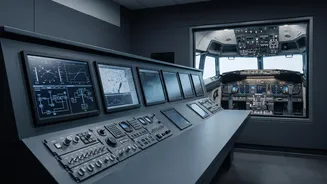
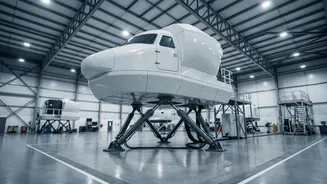
and functional. Pilots undergo thousands of hours of initial and recurrent training, spending significant time in advanced simulators to practice handling every conceivable emergency, from engine failures to severe weather. Cabin crew are trained to evacuate a full aircraft in 90 seconds, manage medical emergencies like cardiac arrest, and de-escalate conflicts. A core part of this is Crew Resource Management (CRM), a framework that emphasizes teamwork, communication, and using all available resources to make sound decisions under pressure. This ensures that the crew operates as a cohesive unit, where first officers are encouraged to challenge captains and every member contributes to situational awareness.
The Technological Guardian: Fail-Safes and Redundancy
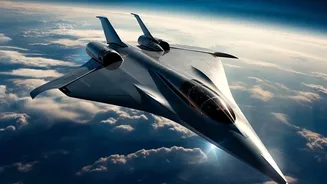
Modern aircraft are marvels of engineering, designed with multiple layers of redundancy. Key systems—like flight computers, hydraulics, and electrical systems—have backups, ensuring that if one fails, another seamlessly takes over. Automation plays a huge role in this. The Traffic Collision Avoidance System (TCAS) allows aircraft to communicate with each other, automatically instructing pilots to climb or descend to avoid a mid-air collision. Meanwhile, the Enhanced Ground Proximity Warning System (EGPWS) uses a detailed terrain database to alert pilots if they are flying too close to the ground. Another key piece of equipment is the Ram Air Turbine (RAT), a small propeller that can drop from the fuselage to generate emergency power for vital flight controls if all main power is lost. These systems don't replace pilots but act as vigilant co-pilots, constantly monitoring for threats and providing a critical safety net.
The Unseen Foundation: Meticulous Ground Support
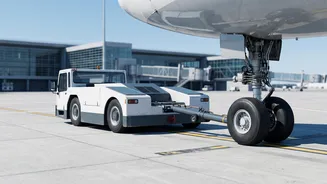
Safety begins long before an aircraft leaves the gate. The ground support system is the backbone of any safe flight operation. This includes a wide range of services, from baggage handling and refueling to aircraft marshalling and pushback. Each task requires strict adherence to procedure; improper refueling can create fire risks, and incorrect weight and balance calculations can affect the aircraft's stability. Perhaps most crucial is aircraft maintenance. Aircraft undergo a strict schedule of checks, from frequent line checks performed daily at the gate to more intensive A, B, C, and D checks that involve deeper inspections and component overhauls. Technicians on the ground ensure the aircraft is structurally sound and all systems are functioning correctly before it's cleared for flight. This meticulous groundwork ensures the plane is in optimal condition before the crew even steps on board.
An Interconnected System of Safety
These three pillars—crew, aircraft, and ground support—are not independent; they are deeply interconnected. Advanced aircraft systems are only effective if the crew is trained to interpret their alerts and respond correctly. Crew training relies on accurate data and scenarios that reflect real-world challenges identified by ground maintenance and incident reports. And no matter how advanced the aircraft or well-trained the crew, a flight cannot be safe without the diligent work of ground teams ensuring the plane is airworthy and the ramp is secure. Communication between these groups is constant and critical. Pilots brief with ground staff before pushback, and maintenance logs create a continuous record of the aircraft's health. This system-wide approach, where every person and piece of technology works in concert, is what makes modern aviation one of the safest forms of travel.