





Why Moisture Is the Enemy in Your Kitchen
Humidity refers to the amount of water vapour in the air, and during the monsoon, it can soar to between 70% and 90%. This damp environment is the perfect breeding ground for microorganisms like mould, bacteria, and yeast, which need water to grow and multiply.
When these microbes contaminate food, they lead to spoilage and can cause foodborne illnesses. High humidity also accelerates chemical reactions like oxidation, which causes fats to go rancid, and enzymatic processes that make fruits and vegetables ripen and rot faster. For dry goods, the effect is physical: they absorb moisture from the air, ruining their texture and shortening their shelf life.
Safeguarding Spices, Salt, and Sugar
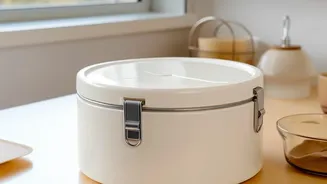
Spices, especially powders like onion, garlic, and turmeric, are hygroscopic, meaning they readily absorb moisture from the air. This causes them to clump together, forming hard lumps that are difficult to use. To prevent this, always store spices in airtight containers, preferably made of glass, as it resists moisture better than plastic. Never shake spice containers directly over a steaming pot, as the steam can enter the jar and cause clumping. A simple, traditional trick is to add a few grains of uncooked rice or some dried beans to your salt shaker and spice jars; these act as natural desiccants, absorbing excess moisture.
Keeping Flours and Grains Dry and Safe
Flours, grains like rice, and pulses are pantry staples that are highly vulnerable during the monsoon. Moisture can lead to mould growth and insect infestations, such as weevils. The most effective defence is transferring these items from their original bags into completely dry, airtight containers. For added protection, you can place a few dried bay leaves or neem leaves inside the containers, as their natural aromas act as insect repellents. Some experts also recommend lightly dry-roasting items like sooji (rava) and daliya before storing them to remove any existing moisture and extend their shelf life.
Protecting Your Crisp Snacks
There's nothing more disappointing than reaching for a biscuit, chip, or piece of namkeen only to find it has lost its crunch. These items go soggy quickly because the starches and sugars within them absorb ambient moisture. The key is to minimise their exposure to air. Immediately transfer snacks from opened packets into airtight jars. For biscuits, placing a sugar cube or a small muslin bag of uncooked rice in the tin can help absorb intrusive moisture and maintain their crispness. If you find your biscuits have already gone slightly soft, a few minutes in a hot oven can sometimes help draw out the moisture and bring back some of the crunch.
Managing Fruits and Vegetables
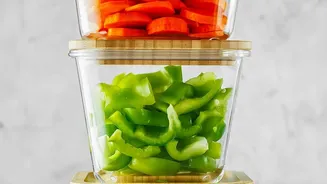
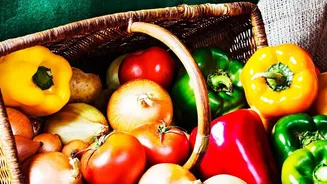
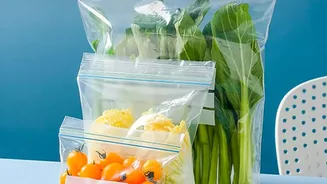
Unlike dry goods, fresh fruits and vegetables have their own challenges. While some require humidity to stay fresh, the excess moisture and warmth of the monsoon can accelerate spoilage and mould growth. It's best to wash produce just before using it rather than before storing it, as residual water can speed up decay. Leafy greens can be wrapped in paper towels before being placed in the refrigerator to absorb excess moisture. Storing vegetables in the fridge is generally a good idea, but ensure it is cleaned regularly to prevent it from becoming a breeding ground for mould itself. For produce like onions and potatoes, store them in a cool, dark, and well-ventilated place, but not in sealed plastic bags where moisture can get trapped.
General Kitchen Best Practices
Beyond specific food items, maintaining a dry kitchen environment is crucial. Always use dry hands and dry spoons when handling ingredients. Wipe down kitchen counters, shelves, and cabinets frequently with a dry cloth to prevent moisture build-up. Ensure your pantry or storage area has good air circulation and isn't located in a damp corner. Placing natural dehumidifiers like camphor balls, baking soda, or activated charcoal in cabinets can also help combat musty smells and dampness.