




First, What Are Ultra-Processed Foods?
Before diving into the debate, it’s crucial to understand the term. Ultra-processed foods (UPFs) are defined by the NOVA classification system, which categorises foods based on their level of industrial processing. UPFs are at the highest level, Group
4. These aren't just foods with added salt or sugar; they are industrial formulations made mostly from substances extracted from foods or synthesised in labs. Think packaged snacks, instant noodles, sugary drinks, frozen pizzas, and many breakfast cereals. A good rule of thumb: if the ingredients list contains items you wouldn't find in a home kitchen—like high-fructose corn syrup, hydrogenated oils, flavour enhancers, and emulsifiers—it's likely a UPF. These products are designed for convenience, a long shelf life, and to be hyper-palatable.
The Case Against Processing Itself
One side of the argument posits that the intense level of processing is the primary problem, independent of the nutrients. This camp argues that industrial methods like extrusion, moulding, and pre-frying destroy the natural food matrix. This makes the calories more rapidly available to our bodies, leading to blood sugar spikes and bypassing our natural fullness cues, which can encourage overconsumption. Furthermore, the thousands of additives used to improve texture, taste, and shelf-life may have unforeseen effects on our gut microbiome. Studies have linked high consumption of UPFs to a greater risk of obesity, heart disease, type 2 diabetes, and even depression, with some researchers arguing these links remain even after accounting for the food's nutritional content.
The 'Nutrition Matters More' Viewpoint
The other side of the debate argues that vilifying all UPFs is an oversimplification. According to this viewpoint, the real issue isn't the processing but the nutritional profile of most UPFs—they just happen to be typically high in sugar, salt, and unhealthy fats, while being low in fibre, vitamins, and minerals. Proponents of this view point out that not all UPFs are created equal. Wholewheat bread, some fortified breakfast cereals, and plant-based meat alternatives can also be classified as ultra-processed, yet may offer nutritional benefits. A recent large-scale study presented in July 2026 suggested that the overall nutritional quality of a diet is a much stronger predictor of long-term health than the level of processing. In essence, they argue, a healthy UPF is possible, and a blanket warning against processing could be counterproductive.
The Indian Context: A Rapidly Changing Plate
This global debate is especially relevant in India, where the UPF market has seen explosive growth. One report noted a compound annual growth rate of 13.37% between 2011 and 2021. Packaged biscuits, snacks, and noodles are becoming staples in urban and even rural households, replacing more traditional, minimally processed meals. This dietary shift parallels a concerning rise in non-communicable diseases (NCDs) like diabetes and obesity. One study found that each 10% increase in the share of UPFs in one's diet correlated with a 14-30% higher cardiometabolic risk in the Indian population. While traditional Indian diets are rich in fresh ingredients, the convenience and aggressive marketing of UPFs are changing habits fast, making this debate a critical public health issue for the country.
So, What Should You Do?
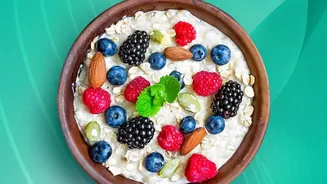
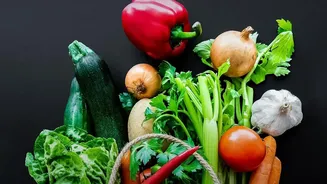
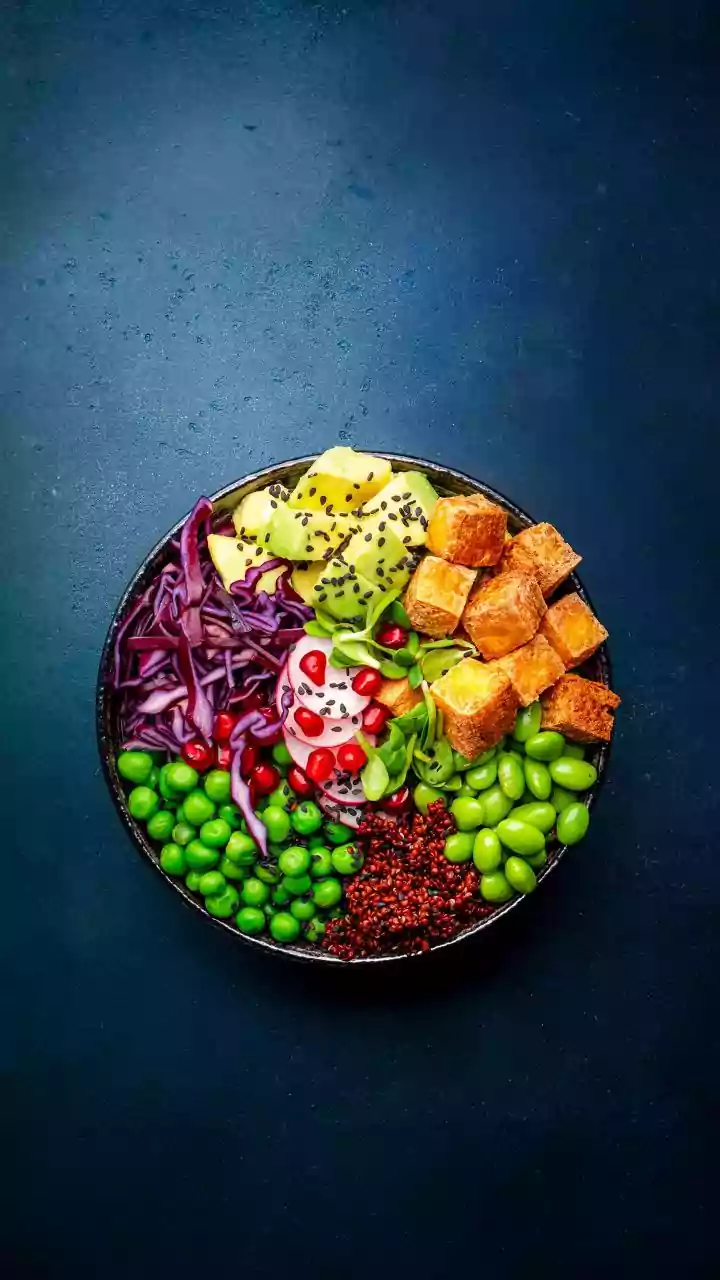
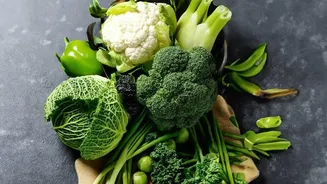
While the experts continue to debate, you need to make choices at the grocery store today. For the average person, the most practical approach is a hybrid one. Don't get bogged down trying to classify every item. Instead, focus on the overall quality of your diet. Prioritise whole and minimally processed foods—fresh vegetables, fruits, dals, legumes, and whole grains. When you do buy packaged foods, become a label-reader. Regardless of how it's processed, a product high in sugar, sodium, and saturated fat is best consumed in moderation. The American Heart Association notes that while most UPFs are unhealthy, some can be part of a healthy diet if they are nutritionally sound. The goal isn't purity but balance.