



Why Heat Is More Than Just a Dial
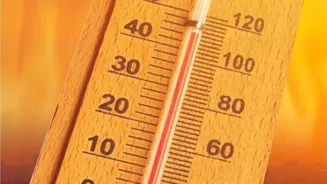
In cooking, heat isn't just a switch you flip; it's a dynamic ingredient that transforms everything it touches. As one ancient Chinese proverb puts it, mastering heat can take a lifetime. It’s what creates a perfect sear, coaxes sweetness from onions,
and helps a gravy thicken without scorching. But terms like "medium heat" are frustratingly vague. Your stove's medium could be your friend's high, and different pans conduct heat differently. Relying on guesswork is why we sometimes end up with chicken that’s burnt on the outside and raw inside, or spices that taste bitter instead of aromatic. Paying close attention to heat is arguably the most important thing you can do to get consistent results every single time you cook.
The Shift from Guesswork to Precision
Professional chefs don't guess; they control. They understand that different heat levels achieve specific results. Low heat gently coaxes flavour from aromatics like garlic and ginger without browning them. Medium heat is the workhorse for sautéing vegetables or simmering a dal to the perfect consistency. High heat is used strategically for short bursts, like getting that perfect crispy skin on fish or creating the Maillard reaction that gives seared meat its deep, savoury flavour. Without conscious control, it's easy to use the wrong heat for the job, leading to common kitchen mistakes. Steaming a steak instead of searing it, for example, is often the result of an underheated pan. By simply being more deliberate, you move from being a reactive cook to a proactive one.
How to Start Your Heat Journal
The idea of recording anything while cooking might sound tedious, but it doesn't have to be. You don't need a fancy system. A small notebook kept in a kitchen drawer or a simple notes app on your phone is all it takes. For each step of a recipe, especially a new one, just jot down a few key things: 1. The Heat Setting: Don't just write "medium." Write down the number on your stove's dial (e.g., "Level 4 of 9"). This is specific to your appliance and is the key to repeatability. 2. The Timing: Note how long you cooked something at that heat level. For example, "Sautéed onions on Level 4 for 8 minutes until translucent." 3. The Sensory Cues: Add a quick observation. Did the oil shimmer? Did the tadka spices pop instantly? Was the sizzle gentle or aggressive? These cues, combined with the dial number, create a complete picture. This simple log turns a recipe from a set of instructions into a personal, foolproof blueprint.
Real-World Wins in the Indian Kitchen
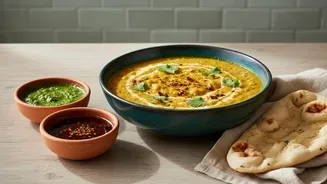
This practice pays huge dividends in Indian cooking, where techniques are incredibly heat-sensitive. Think about tempering spices for dal (tadka). A few seconds too long on high heat and the mustard seeds turn bitter. With a recorded setting, you know exactly which number on your dial gets the oil hot enough to make them pop perfectly without burning. Consider making the perfect dosa. The griddle (tava) temperature is everything. Too low, and the dosa becomes soft and pale. Too high, and it burns before cooking through. By noting the setting that gives you that golden-brown, crispy result, you can replicate it every time. The same applies to searing paneer until it's browned but still soft inside, frying samosas until they are crisp and not oily, or simmering a korma until the flavours meld and the gravy thickens beautifully without breaking. Each of these depends entirely on precise heat management.