

What Exactly is a Solid-State Battery?
At its core, the difference between a conventional lithium-ion battery and a solid-state one is simple. Today’s EV batteries use a liquid chemical mixture called an electrolyte to move energy between the positive (cathode) and negative (anode) sides.
This liquid is effective but has drawbacks: it’s flammable, sensitive to temperature, and bulky. A solid-state battery, as the name suggests, replaces this volatile liquid with a thin, solid material, like a ceramic or polymer. This fundamental change unlocks a host of benefits. Think of it like swapping a water-soaked sponge for a solid, dense brick; the brick is more stable, compact, and less prone to leaks or fires. This innovation allows for a battery that is not only safer but also significantly more powerful for its size.
The Ten-Minute Recharge Becomes Reality
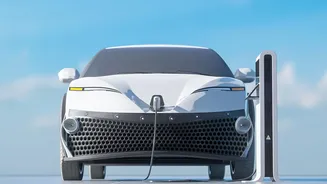
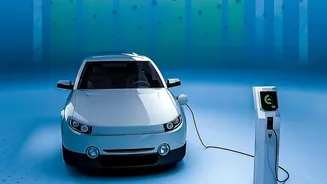
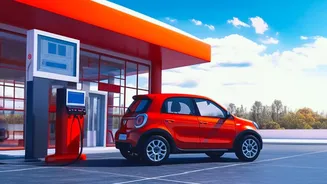
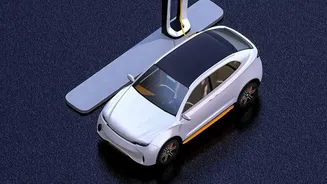
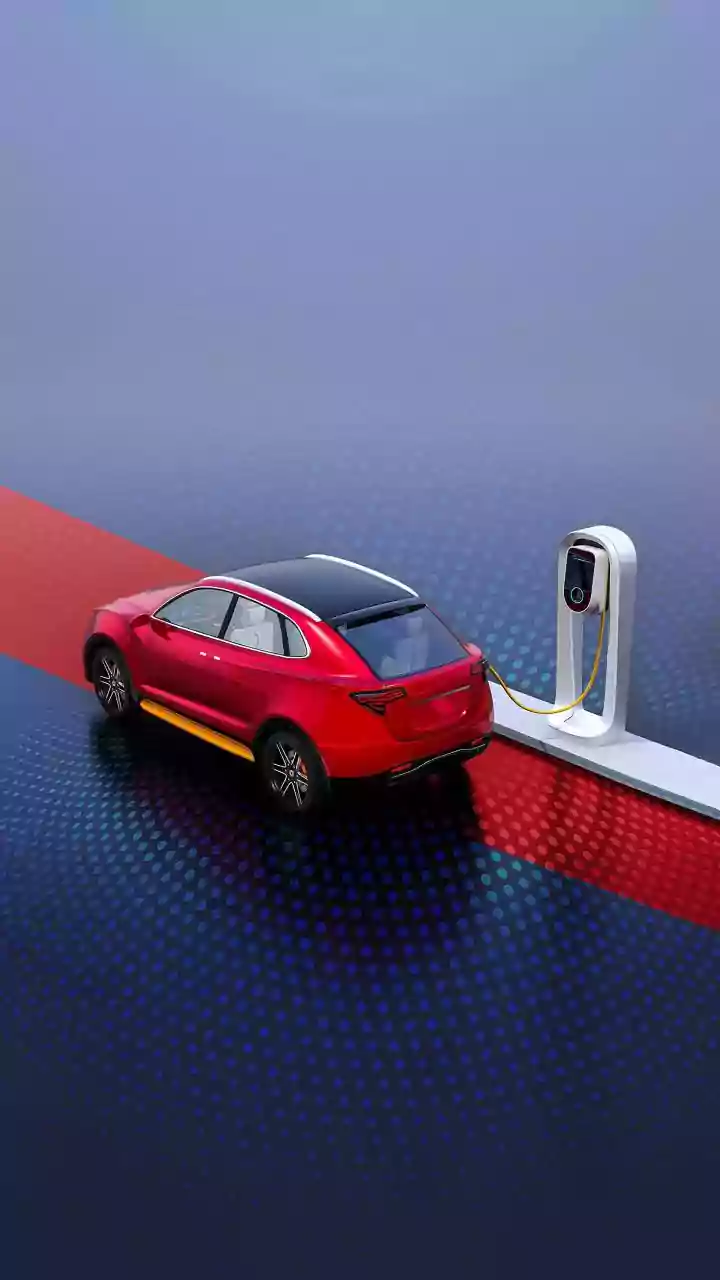
The most talked-about advantage is the dramatic reduction in charging time. The solid structure of the electrolyte allows ions to move more efficiently and safely, enabling ultra-fast charging without the risk of forming dendrites—tiny, needle-like structures that can cause short circuits and fires in liquid-based batteries. As a result, companies like Toyota are targeting a 10% to 80% charge in just ten minutes for their upcoming solid-state models. Chinese battery giant CATL has also demonstrated similar capabilities, with its new battery designed to charge to 80% in 10 minutes at room temperature. This transforms the EV ownership experience, making it nearly as quick to 'refuel' an electric car as a petrol one, effectively solving one of the biggest hurdles to widespread EV adoption.
More Than Just Speed: Range and Safety
While fast charging grabs headlines, the other performance enhancements are just as revolutionary. Solid-state batteries boast a much higher energy density, meaning they can store more energy in the same amount of space. This could lead to EVs with driving ranges of 1,000 to 1,200 kilometres on a single charge. Toyota's first-generation solid-state battery is aiming for a range of around 1,000 km. Furthermore, by removing the flammable liquid electrolyte, the risk of battery fires in accidents is drastically reduced. These batteries are also more resilient, capable of operating in a wider range of temperatures and potentially lasting for thousands of charge cycles, far exceeding the lifespan of current technologies.
The Race to Commercialisation
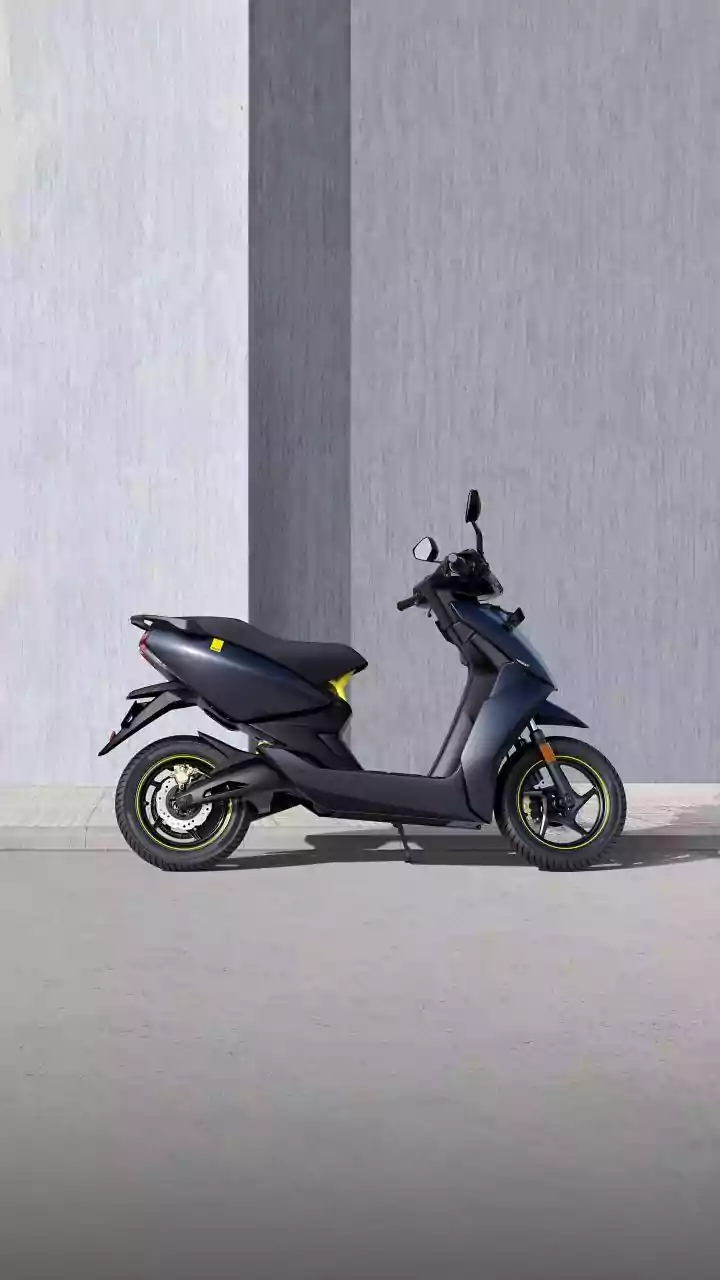
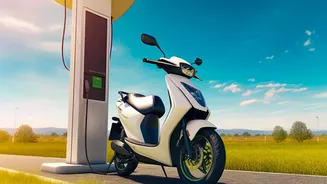
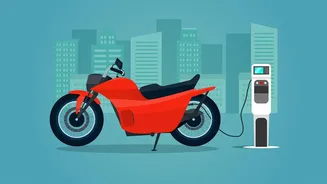
The question on every driver's mind is: when can I get one? The race is on, and major players are closing in on mass production. Toyota, a longtime leader in solid-state research with over 1,000 related patents, aims to launch its first EV with this technology between 2027 and 2028. Meanwhile, companies like CATL and GBT in China are also targeting mass production around 2026 or 2027. In fact, the first commercial applications are already appearing, with some high-end electric motorcycles set to feature solid-state batteries in 2026, offering a glimpse of the performance to come. This global competition is accelerating development and pushing the technology from the laboratory to the showroom floor sooner than many expected.
Challenges on the Road Ahead
Despite the immense promise, there are still hurdles to overcome before solid-state batteries are in every EV. The biggest challenges are manufacturing at scale and reducing cost. The new materials and complex production processes are currently more expensive than those for traditional lithium-ion batteries. Engineers are working to solve issues like maintaining perfect contact between the solid layers of the battery, which is crucial for its performance and longevity. While companies have made significant breakthroughs, bringing the production cost down to a level suitable for the mass market remains the final, critical step in this technological revolution. However, the momentum is undeniable, with many experts believing these challenges will be surmounted within the next few years.