




What Are 'Zombie Viruses'?
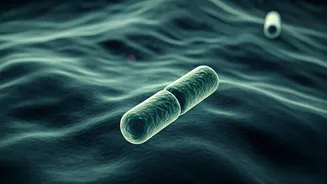
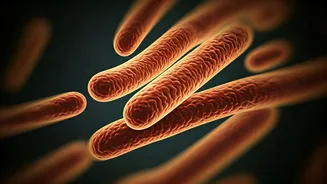
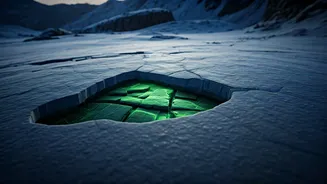
The term 'zombie virus' is a dramatic nickname for ancient microbes that have been dormant, or inactive, for thousands of years inside frozen soil, or permafrost. A team of European researchers has revived several of these, including one that was dormant for an estimated
48,500 years. These are not zombies in the horror movie sense. They are simply microorganisms that were frozen and preserved, and which can become active again when thawed under the right lab conditions. The viruses revived so far have been notable for their age and resilience, but they have only been shown to infect single-celled organisms like amoebas, not humans.
Why Are They a Topic Now?
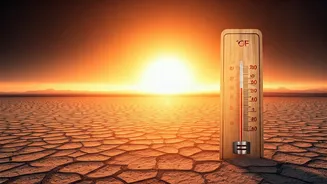
The rapid warming of the Arctic is causing permafrost to thaw at an alarming rate. This permanently frozen ground, which covers about a quarter of the Northern Hemisphere, is a vast natural reservoir of dormant microorganisms. As it thaws, it releases organic material that has been locked away for millennia, including these ancient viruses and bacteria. This process is not just a theoretical concern; in 2016, an anthrax outbreak in Siberia was linked to a thawed reindeer carcass that had been trapped in permafrost, leading to one human fatality and many hospitalisations. This incident showed that long-dormant pathogens can indeed pose a renewed threat when their frozen environment disappears.
Assessing the Actual Risk
While the idea of a 48,500-year-old virus returning is unsettling, most virologists believe the threat of a pandemic from ancient permafrost pathogens is low. There are several reasons for this cautious assessment. Firstly, many revived viruses are fragile and unlikely to survive long in modern conditions with oxygen and UV light. Secondly, for an ancient virus to cause a pandemic, it would need to not only survive the thaw but also find a suitable host, successfully infect it, and then be able to spread efficiently among a modern population. The viruses studied so far are specialised to infect amoebas. However, scientists do not dismiss the risk entirely. The concern is less about a specific 'zombie' plague and more about the unknown. Our immune systems would have no memory of such ancient pathogens, making a potential infection more severe.
From Science to Scare Story
So why do these stories generate so much panic? The media environment often thrives on fear, which drives engagement and revenue. A headline about a 'zombie virus' is far more clickable than a nuanced discussion of microbial ecology in the Arctic. The journey from a scientific preprint to a news alert often strips away the crucial context—that the revived viruses aren't known to infect humans, or that the risk is considered theoretical and low by most experts. This cycle of alarm can lead to public anxiety and a distorted perception of risk, a pattern seen with other rare diseases. The sensationalism also distracts from a more immediate and certain danger.
The Real Threat is Climate Change
Ultimately, the conversation about ancient viruses should be a conversation about climate change. The thawing permafrost is not just a potential source of novel diseases; it's a massive source of greenhouse gases like methane and carbon dioxide, which create a dangerous feedback loop that accelerates global warming. The risk of a rogue ancient virus, while not zero, is a small and speculative part of the much larger, more definite crisis of a warming planet. Increased industrial activity and resource extraction in the newly accessible Arctic also raise the chances of humans coming into contact with these microbes. Focusing on the 'zombie' narrative misses the point: the greatest threat isn't what's in the ice, but the fact that the ice is melting in the first place.