


Why Jowar is a Winter Essential
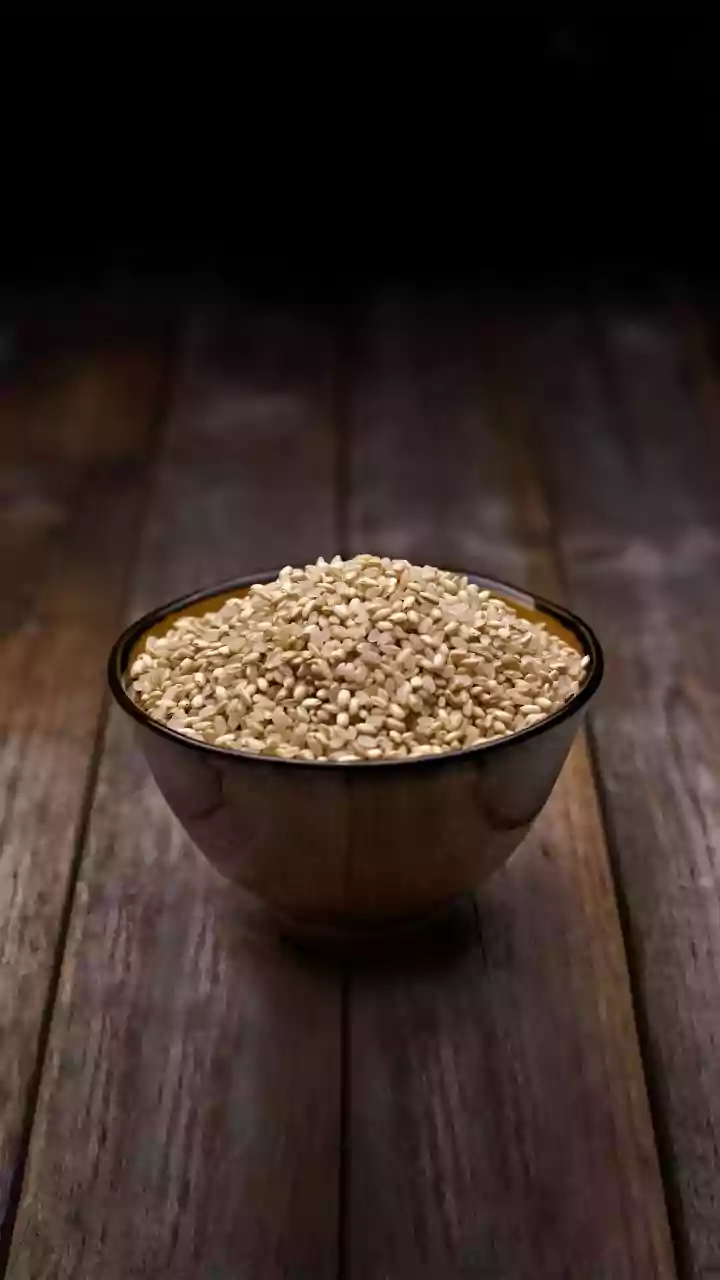
Jowar, or sorghum, has long been a staple in Indian households, especially during colder months. This humble millet is naturally gluten-free, making it an excellent choice for those with sensitivities. But its benefits go much further. Jowar is packed
with dietary fibre, which aids digestion and provides a feeling of fullness, helping with weight management. It is also rich in essential nutrients like iron, magnesium, and antioxidants. According to Ayurveda, jowar has a warming nature, making it ideal for generating body heat during winter. The complex carbohydrates in jowar provide sustained energy, keeping you active and warm throughout the day.
The Unsung Hero: Winter Radish
Radish, or 'mooli', is more than just a sharp, peppery addition to salads; it's a winter powerhouse. Available in abundance during the season, radishes are known for their impressive health benefits. They are incredibly high in Vitamin C, which is crucial for boosting immunity and fighting off common winter colds and flu. The high fibre content promotes healthy digestion, prevents constipation, and can help reduce bloating. Radishes also contain compounds that support liver detoxification and help regulate blood sugar levels. When cooked, their pungent flavour mellows into a mild sweetness, pairing beautifully with the earthy taste of jowar flour.
The Perfect Mooli Jowar Paratha Recipe
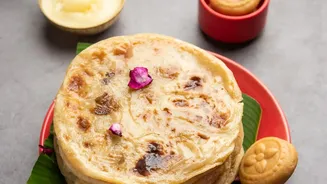
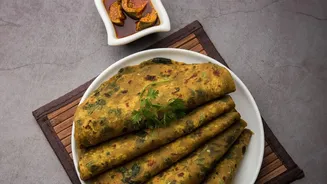
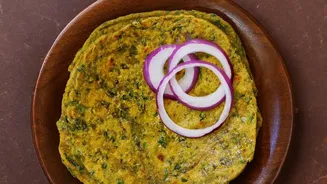
This recipe integrates the radish directly into the dough, making it simpler than a traditional stuffed paratha and perfect for those new to handling gluten-free flours. Ingredients: 2 cups jowar (sorghum) flour, 1 medium radish (grated), 1/2 cup finely chopped radish leaves (optional), 2 finely chopped green chillies, 1-inch piece of ginger (grated), 1 tsp ajwain (carom seeds), salt to taste, warm water for kneading, and ghee or oil for cooking. Method: First, grate the radish and sprinkle it with salt. Let it rest for 10-15 minutes to release its water. Squeeze out all the excess water from the grated radish and set both the radish and the water aside. In a large bowl, combine the jowar flour, squeezed radish, chopped radish leaves, green chillies, grated ginger, ajwain, and salt. Gradually add the reserved radish water and then some warm water as needed, kneading everything into a soft, pliable dough. Jowar dough needs to be kneaded well for a few minutes until it comes together smoothly. Divide the dough into equal-sized balls. On a piece of parchment paper or a plastic sheet, gently pat or roll each ball into a paratha of your desired thickness. Heat a tawa (griddle) on medium heat. Carefully place the paratha on the hot tawa. Cook for a minute or until small bubbles appear, then flip. Apply a little ghee or oil and cook the other side. Flip again, apply ghee, and press gently with a spatula until both sides have golden-brown spots and are cooked through.
Tips for Flawless Gluten-Free Parathas
Working with jowar flour can be different from wheat flour. Since it lacks gluten, the dough can be prone to cracking. Kneading with warm water helps to make the dough more manageable and soft. Don't be discouraged if the edges of your paratha crack a little while rolling; it’s completely normal. For a perfectly round shape, you can use a plate or a large cookie cutter to trim the edges after rolling. Patting the dough out with your fingertips on parchment paper is often easier than using a rolling pin. Remember to cook the parathas on a medium flame; high heat can cook the outside too quickly while leaving the inside raw.
Serving Suggestions for a Complete Meal
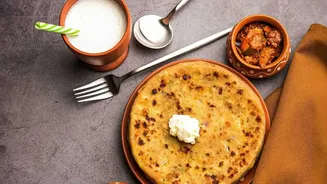
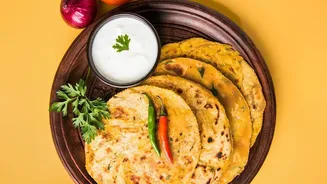
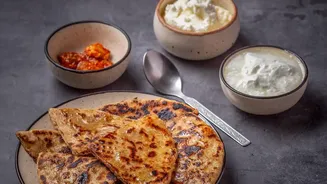
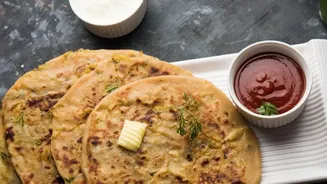
These mooli jowar parathas are incredibly flavourful on their own, but they truly shine when paired with the right accompaniments. A classic and unbeatable combination is serving them hot with a side of cool, plain yogurt or a simple boondi raita. The coolness of the yogurt balances the warmth and spice of the paratha perfectly. For a more traditional touch, a dollop of homemade white butter melting on top is pure bliss. You can also serve them with a side of your favourite pickle for a tangy kick or a simple green chutney made from coriander and mint. These pairings transform the humble paratha into a deeply satisfying and complete meal, perfect for a cosy winter breakfast, lunch, or dinner.