






The Pilgrimage Paradox
For millions of Indians, undertaking a pilgrimage is a life-affirming journey of faith. However, the sheer volume of devotees at sites like the Amarnath Yatra, Sabarimala, or the Kumbh Mela creates a paradox: a quest for spiritual peace that is often
fraught with physical danger. Overcrowding, narrow pathways, and unpredictable conditions have led to tragic stampedes and accidents over the years. Managing these vast numbers has traditionally relied on manual police checkpoints and simple barricades, a system often overwhelmed by the scale of the challenge, leaving authorities to react to crises rather than prevent them.
Beyond Just Counting Heads
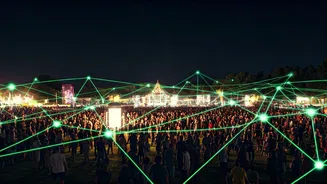
So, what does 'real-time information' actually mean in this context? It’s about moving from guesswork to data-driven insight. Instead of just estimating crowd size, authorities can now use a suite of technologies to understand crowd dynamics as they happen. This includes monitoring crowd density, flow patterns, and potential choke points. Key technologies include Radio Frequency Identification (RFID) tags, Artificial Intelligence (AI) powered video analytics, and drone surveillance. This allows for a proactive approach, identifying a potential bottleneck or surge before it becomes a critical danger.
Technology in Action Across India
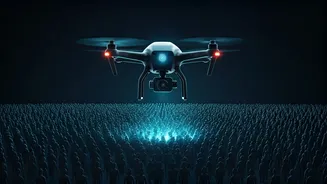
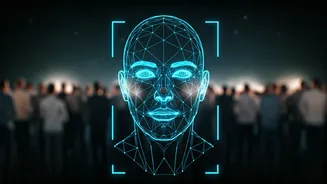
Several major pilgrimage sites are already putting this technology into practice. For the annual Amarnath Yatra, authorities have rolled out a tech-heavy security and management system. Every pilgrim is issued an RFID tag, which allows their movement to be tracked along the entire route. Drones provide an eye-in-the-sky view, monitoring transit camps and sensitive locations in real-time. Similarly, the Tirupati temple is deploying an AI-integrated command control centre to manage its massive daily footfall, using cameras with facial recognition to analyse queues and estimate waiting times. In Kerala, officials at Sabarimala are also preparing to launch an AI-enabled system to streamline the flow of up to one lakh devotees per day, using predictive analytics to manage congestion.
A Smoother, Safer Spiritual Journey
The ultimate beneficiary of this technology is the devotee. Real-time data feeds into systems that can drastically improve the pilgrimage experience. For example, mobile apps can provide live updates on queue lengths, weather conditions, and the safest routes to take. RFID tracking not only helps in overall crowd management but also makes it easier to find a lost family member in a sea of people. By regulating the flow of people based on the real-time capacity of a particular area, authorities can prevent the dangerous overcrowding that leads to hours of waiting in gruelling conditions. This shift from chaos to controlled flow reduces anxiety and allows pilgrims to focus on the spiritual purpose of their journey.
The Road Ahead and Its Challenges
Implementing these advanced systems is not without its hurdles. There are significant costs involved, and ensuring the technology works flawlessly in harsh weather and difficult terrain is a major challenge. Privacy concerns related to continuous tracking and the use of facial recognition technology must also be addressed carefully. Furthermore, with a diverse pilgrim population, any solution must account for the digital divide; not everyone has a smartphone, and systems must be inclusive. Despite these challenges, the trend is clear. The goal is to create a unified digital framework for devotee management, one that can even predict crowd surges before they happen.