
A Vegetarian Star in a Meat-Lover’s Cuisine
Parsi food is famously robust and often features meat, from the iconic Dhansak to Salli Boti. The culinary tradition, a unique blend of Persian and Gujarati influences, isn't immediately associated with vegetarianism. Yet, within this landscape, a few
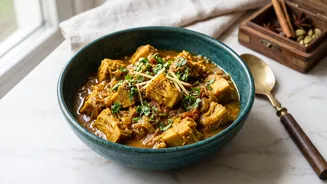
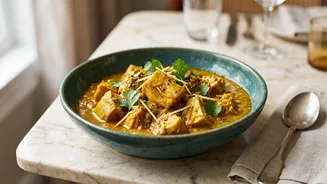
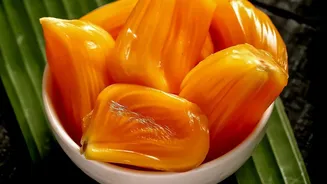
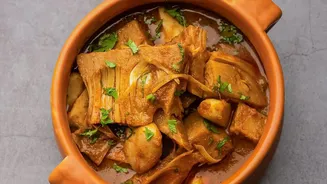
vegetable dishes stand out, often created with the same complexity and care as their non-vegetarian counterparts. The Parsi preparation of kathal, or raw jackfruit, is a prime example. While dishes like Lagan nu Stew use a medley of root vegetables, the use of jackfruit is a testament to the community's culinary ingenuity, creating a hearty and satisfying dish that can hold its own on any celebratory table.
The Magic is in the Texture
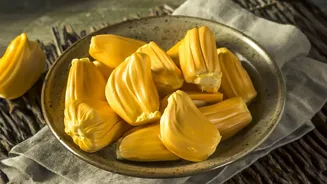
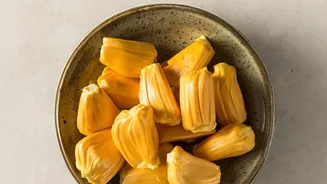
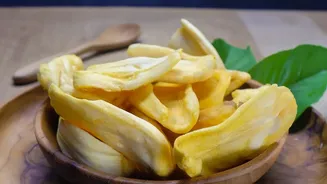
The entire premise of using kathal in a savoury Parsi curry hinges on one critical factor: its texture. When unripe, jackfruit has a remarkably neutral flavour and a firm, fibrous consistency. This is key. Unlike ripe jackfruit, which is sweet and has a soft, fruity pulp, green jackfruit is dense and stringy. This structure doesn't break down into mush when cooked; instead, it softens while retaining its integrity, creating a texture that is uncannily similar to shredded or pulled meat. This ability to mimic the satisfying 'chew' of meat is why it has become a popular meat substitute globally, but it’s a technique that has been used in South Asian kitchens for generations.
A Perfect Canvas for Parsi Spices
Because raw jackfruit is essentially a blank slate in terms of flavour, it becomes the perfect vehicle for the bold and aromatic spices typical of Parsi cooking. The neutral, absorbent flesh soaks up the surrounding masala beautifully. A Parsi kathal recipe often involves creating a rich base of fried onions, ginger, garlic, and a proprietary blend of spices that might include coriander, cumin, and turmeric, often with the characteristic sweet and sour notes from vinegar or jaggery. The jackfruit pieces are typically boiled or fried separately first. This initial cooking step is crucial for achieving the right texture before the jackfruit is introduced to the flavourful gravy to simmer and absorb all the complex flavours.
From Preparation to Plate
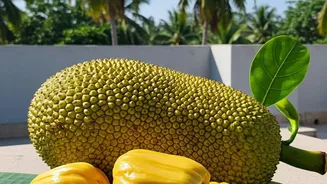
Working with fresh, raw jackfruit can be an intimidating process. The fruit exudes a sticky white sap when cut, so cooks traditionally oil their hands and knife before tackling it. The tough outer green skin and the central core are removed, and the flesh is chopped into cubes. These cubes are often boiled in salted, turmeric-laced water to tenderise them and remove some of the stickiness before they are fried or added to the curry base. While the preparation requires some effort, the result is a dish where the jackfruit is transformed. Each piece becomes a flavour bomb, tender to the bite but with enough fibrous structure to make the dish feel substantial and deeply satisfying, much like a traditional meat curry.